Introduction
One of the most common concerns people have when shifting to a plant-based diet is whether they can get enough protein. It is a valid question — protein is essential for muscle maintenance, immune function, hormone production, enzyme activity, and tissue repair. And while animal products are efficient sources of complete protein, they are far from the only option.
With the right knowledge and a little planning, it is entirely possible to meet daily protein needs on a plant-based diet. In fact, many plant protein sources also deliver fiber, antioxidants, and beneficial compounds that animal proteins do not. This guide covers the best plant protein sources and practical strategies for ensuring consistent daily intake.
Understanding Plant-Based Protein
Protein is made up of amino acids, and the human body requires 20 of them — nine of which are essential, meaning the body cannot produce them and must obtain them from food. Animal proteins are complete, meaning they contain all nine essential amino acids in adequate proportions. Most plant proteins are incomplete, meaning they are lower in one or more essential amino acids.
This does not mean plant proteins are inferior — it simply means that variety and combination become more important on a plant-based diet. Eating a diverse range of plant protein sources throughout the day ensures that all essential amino acids are supplied in sufficient amounts, even if no single food provides all of them.
How to Get Enough Protein on a Plant-Based Diet
1. Make Legumes a Daily Staple
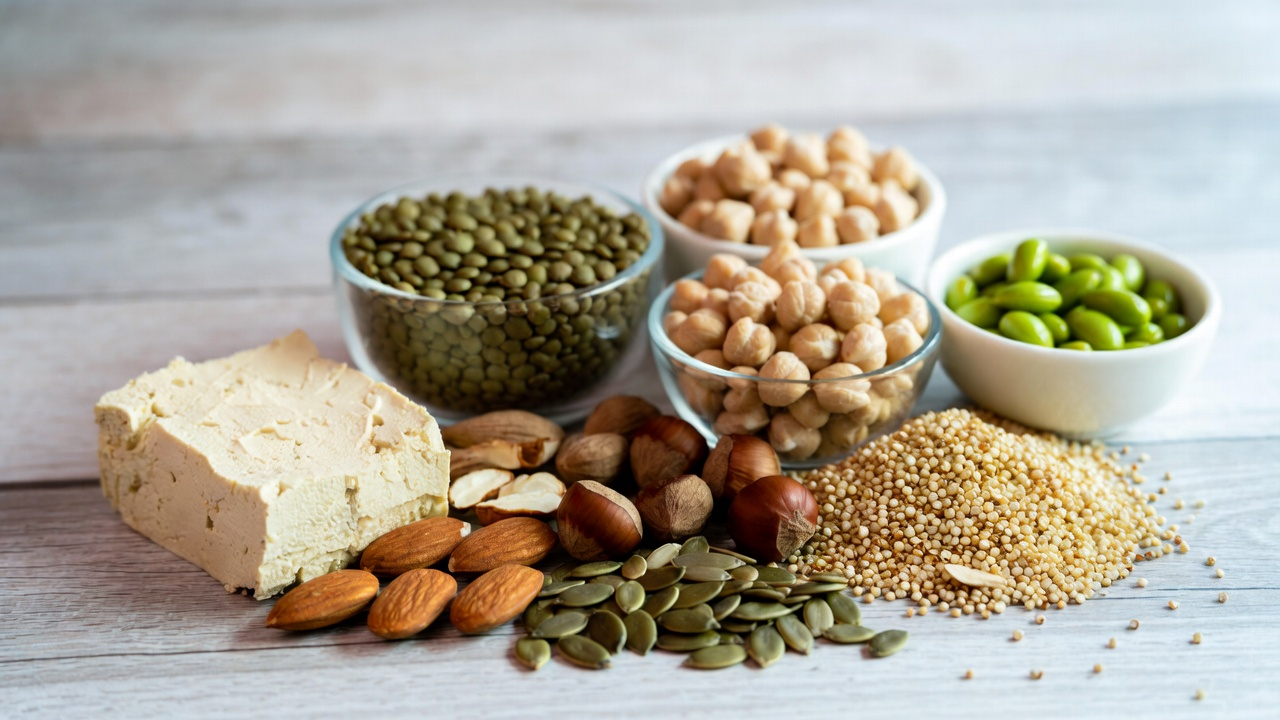
Lentils, chickpeas, black beans, kidney beans, and edamame are the most accessible and versatile plant protein sources available. Lentils provide approximately 18 grams of protein per cooked cup, along with substantial amounts of iron, folate, and fiber. Chickpeas and black beans provide 15 grams or more per cup. Including legumes in at least one meal every day is the single most effective strategy for meeting plant-based protein needs.
2. Include Soy Foods Regularly
Soy-based foods are among the only complete plant proteins, meaning they provide all nine essential amino acids in adequate ratios. Tofu provides around 10 grams of protein per half cup, tempeh provides approximately 16 grams, and edamame provides about 17 grams per cup. Tempeh in particular is also fermented, adding probiotic benefits alongside its impressive protein content. Soy has been extensively studied and is considered safe and beneficial for most people.
3. Eat Whole Grains at Every Meal
While grains are primarily a carbohydrate source, many whole grains contribute meaningfully to daily protein intake. Quinoa is particularly notable because it is a complete protein, providing approximately 8 grams per cooked cup. Oats provide about 6 grams per cup. Brown rice, farro, and teff each contribute 5 to 7 grams per serving. Including a whole grain at every meal adds a consistent protein contribution throughout the day.
4. Snack on Nuts and Nut Butters
Almonds, peanuts, and cashews each provide 6 to 9 grams of protein per ounce, along with healthy fats, fiber, magnesium, and vitamin E. Natural nut butters — peanut butter in particular, at around 8 grams of protein per two tablespoons — are convenient, filling, and easily incorporated into meals or snacks. Hemp seeds and sunflower seed butter are useful alternatives for those with tree nut allergies.
5. Add Seeds to Meals Daily
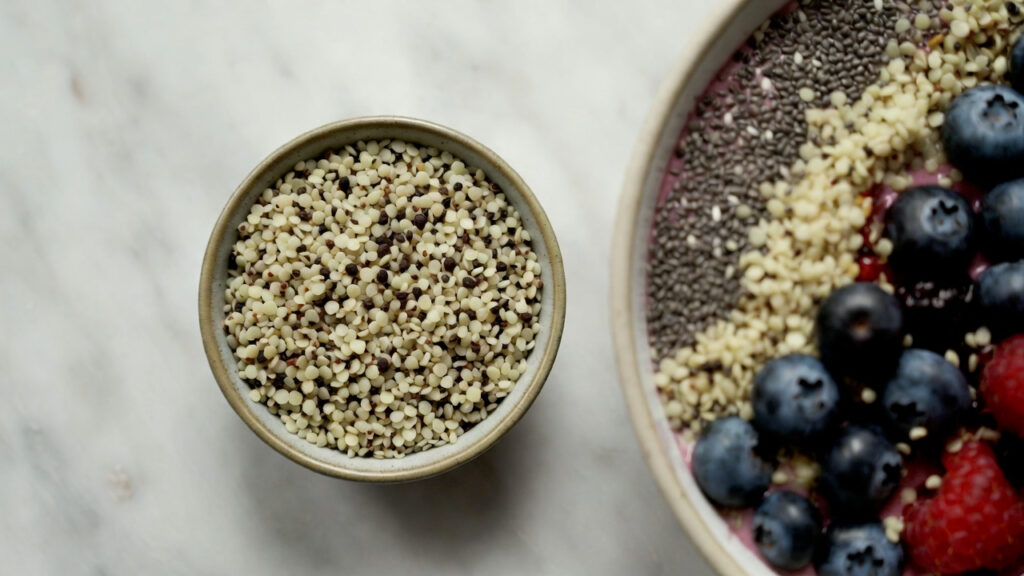
Hemp seeds, chia seeds, pumpkin seeds, and sunflower seeds are all strong protein contributors that are easy to add to virtually any meal. Hemp seeds are a standout at approximately 10 grams of complete protein per three tablespoons — one of the few plant foods that qualifies as a complete protein. Chia seeds provide about 5 grams per two tablespoons along with omega-3 fatty acids and significant fiber. Sprinkling a tablespoon or two of seeds onto oatmeal, salads, smoothies, or soups is a simple habit that adds meaningful protein with zero cooking effort.
For a full overview of the key nutrients to monitor on a plant-based diet, our article on the best vitamins and minerals for overall health highlights the micronutrients — including B12, iron, and zinc — that deserve particular attention alongside protein.
6. Use Nutritional Yeast
Nutritional yeast is a deactivated yeast product that has a savory, cheesy flavor and is widely used in plant-based cooking. It is one of the richest plant sources of complete protein and B vitamins, including B12 when fortified. Two tablespoons provide approximately 8 grams of protein. It can be sprinkled on pasta, popcorn, soups, and roasted vegetables as an easy daily protein booster.
7. Choose High-Protein Vegetables
While no vegetable is a protein powerhouse on its own, several provide a notable protein contribution when consumed in adequate amounts. Edamame, green peas, spinach, Brussels sprouts, and asparagus are among the highest-protein vegetables. A cup of cooked green peas provides approximately 9 grams of protein. Incorporating these vegetables into meals regularly adds up over the course of a day.
8. Eat Enough Total Calories
One of the most common reasons people struggle to meet protein needs on a plant-based diet is simply not eating enough total food. Because plant proteins are often less calorie-dense than animal proteins, it takes a larger volume of food to meet the same protein target. Ensuring adequate total calorie intake from whole plant foods naturally provides more protein as well. Undereating is the most frequently overlooked barrier to plant-based protein adequacy.
9. Spread Protein Across All Meals
The body’s ability to use protein for muscle synthesis is optimized when protein intake is spread relatively evenly across meals rather than concentrated in one sitting. Aiming for 20 to 30 grams of protein per meal — from a combination of legumes, grains, soy, seeds, and vegetables — provides a consistent supply for the body’s ongoing repair and maintenance needs throughout the day.
10. Consider a Plant-Based Protein Powder if Needed
For those who find it challenging to meet protein targets through food alone — particularly athletes, active individuals, or those with higher muscle maintenance needs — a plant-based protein powder can be a practical supplement. Pea protein, brown rice protein, and hemp protein powders are widely available and can be blended into smoothies or mixed into oatmeal for a quick protein boost. Choosing a powder made from whole food sources without excessive additives is the best approach.
Conclusion
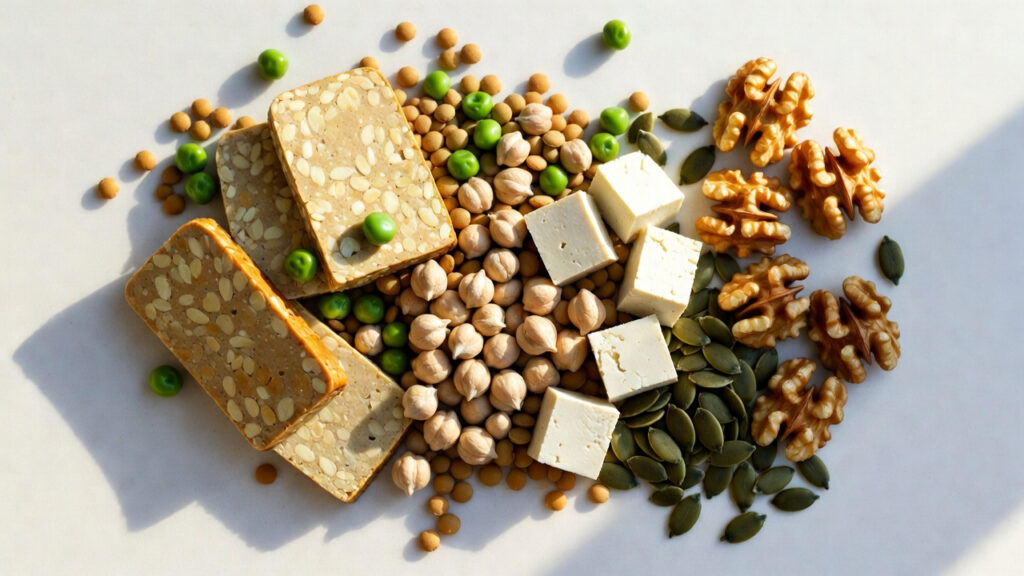
Getting enough protein on a plant-based diet is very achievable with the right approach. The foundation is variety — legumes, soy foods, whole grains, nuts, seeds, and high-protein vegetables each contribute to a protein profile that, when combined across meals throughout the day, can meet and even exceed daily requirements.
Planning is more important than restriction. Focus on building meals that include at least two plant protein sources, eat enough total food, and diversify your choices to ensure complete amino acid coverage. With these habits in place, a plant-based diet can fully support the body’s protein needs at any life stage.
Frequently Asked Questions
How much protein do I need per day on a plant-based diet? General recommendations are 0.8 grams of protein per kilogram of body weight per day for sedentary adults, rising to 1.2 to 2.0 grams per kilogram for active individuals and athletes. These targets are entirely achievable on a well-planned plant-based diet.
Is plant protein as effective as animal protein for building muscle? Research shows that plant protein can support muscle building and maintenance as effectively as animal protein when total intake is adequate and a variety of sources are consumed to ensure complete amino acid coverage. Leucine, the amino acid most important for muscle protein synthesis, is present in legumes, soy, and seeds in sufficient amounts.
Do I need to combine proteins at every meal? The older concept of protein combining at every meal has been largely revised. As long as a variety of plant protein sources are consumed throughout the day, the body assembles the full complement of amino acids it needs. Deliberate combination at every individual meal is not necessary.
Related Articles
- Best Vitamins and Minerals for Overall Health
- 10 Nutrition Tips Everyone Should Know
- Best High-Protein Foods for a Healthy Diet