Introduction
Not all calories are created equal. The foods you eat every day either build nutritional momentum — filling your body with the vitamins, minerals, fiber, and compounds it needs — or they leave gaps that quietly accumulate over time as fatigue, weakened immunity, poor digestion, and increased disease risk.
The concept of nutrient density refers to how much nutritional value a food provides relative to its calorie content. Choosing nutrient-dense foods as your dietary foundation ensures that your daily calorie intake is working as hard as possible for your health. This article identifies the best foods for daily nutrient intake and explains what makes each one so valuable.
Why Nutrient Density Should Guide Your Food Choices
Many people eat sufficient calories but still fall short on key micronutrients. This is sometimes called hidden hunger — a form of nutritional inadequacy that does not manifest as obvious starvation but gradually impairs health and wellbeing.
Prioritizing nutrient-dense foods over calorie-dense but nutrient-poor options is one of the most effective strategies for preventing deficiencies, maintaining energy levels, supporting immune function, and reducing the long-term risk of chronic disease.
Best Foods for Daily Nutrient Intake
1. Dark Leafy Greens
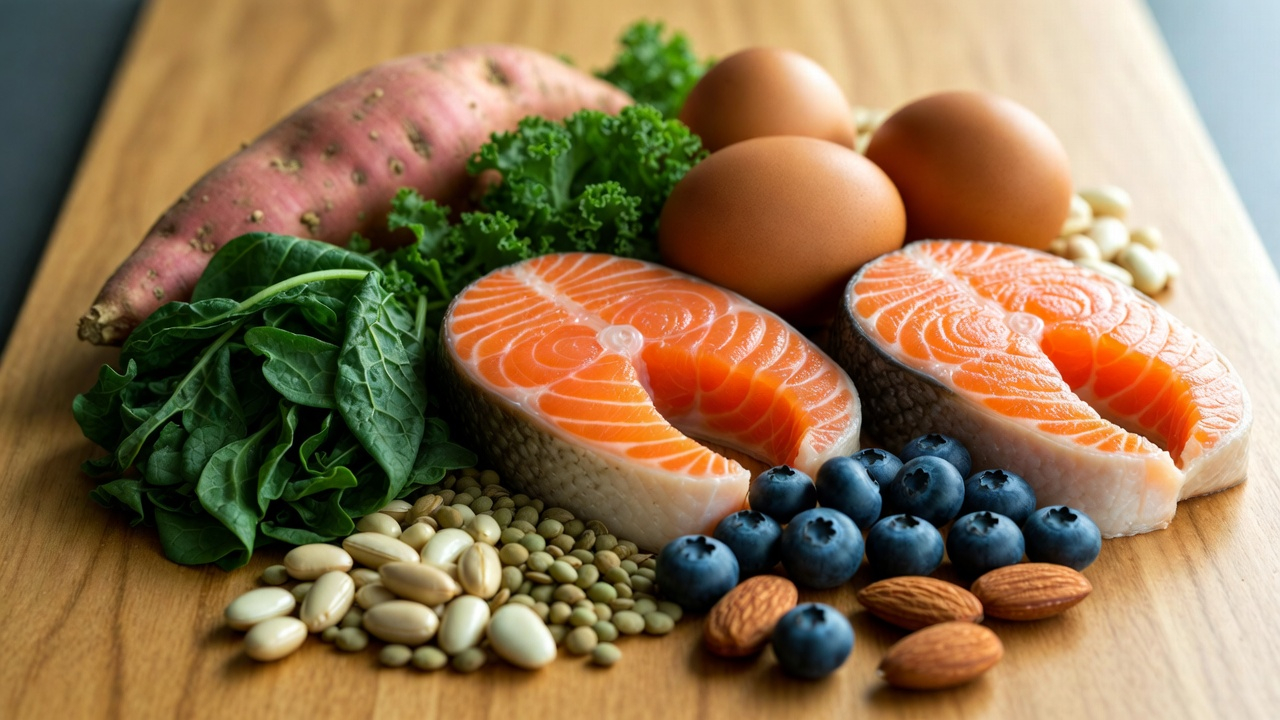
Spinach, kale, Swiss chard, and collard greens are among the most nutrient-dense foods on the planet. They provide vitamins A, C, E, and K, folate, iron, calcium, magnesium, and potassium — all in a low-calorie package with significant fiber content. Regular consumption of leafy greens is associated with reduced risk of cardiovascular disease, improved bone health, and lower rates of cognitive decline.
2. Eggs
Eggs are often called nature’s multivitamin for good reason. A single egg provides high-quality complete protein, vitamins B2, B5, B12, and D, selenium, phosphorus, choline, and lutein. Choline is particularly important for brain health and liver function and is underconsumed in most diets. Eggs are also one of the few dietary sources of vitamin D and are one of the most versatile, affordable, and accessible nutrient-dense foods available.
3. Salmon
Fatty fish like salmon deliver an exceptional nutritional profile per serving. A single portion provides complete protein, omega-3 fatty acids (EPA and DHA), vitamin D, vitamin B12, selenium, potassium, and astaxanthin — a powerful antioxidant that gives salmon its distinctive pink color. Omega-3s and vitamin D are among the nutrients most commonly deficient in modern diets, making salmon one of the most valuable foods for closing nutritional gaps.
4. Legumes
Beans, lentils, chickpeas, and other legumes are among the most nutrient-dense plant foods available. They provide substantial amounts of protein, fiber, folate, iron, magnesium, potassium, and zinc. Their combination of protein and fiber makes them particularly effective for blood sugar regulation and satiety. Regular legume consumption is consistently associated with lower rates of cardiovascular disease, type 2 diabetes, and obesity.
5. Sweet Potatoes
Sweet potatoes are one of the best dietary sources of beta-carotene, which the body converts into vitamin A — an essential nutrient for immune function, vision, and skin health. They also provide vitamin C, potassium, manganese, and significant amounts of fiber. Their relatively low glycemic impact when eaten as part of a balanced meal makes them an excellent carbohydrate choice for most dietary patterns.
For a detailed look at the vitamins and minerals these foods help supply, our article on the best vitamins and minerals for overall health explains the role each micronutrient plays in daily health.

6. Berries
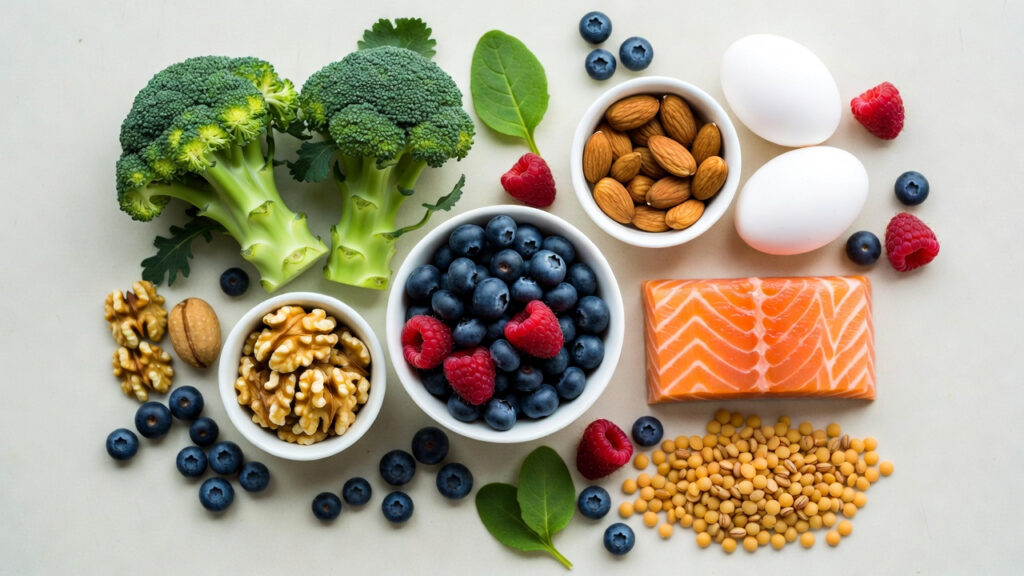
Blueberries, strawberries, raspberries, and blackberries are among the highest antioxidant foods available in a typical diet. They provide vitamin C, manganese, fiber, and hundreds of polyphenols including anthocyanins — compounds that reduce oxidative stress, support brain health, and have anti-inflammatory effects. Their relatively low sugar content compared to other fruits makes them an especially favorable choice for daily consumption.
7. Nuts and Seeds
Almonds, walnuts, flaxseeds, chia seeds, and pumpkin seeds each offer dense concentrations of healthy fats, protein, fiber, magnesium, zinc, vitamin E, and selenium. These nutrients support brain function, cardiovascular health, hormonal balance, and immune defense. A small handful of mixed nuts or a tablespoon of seeds added to meals daily is one of the easiest ways to meaningfully improve nutritional intake.
8. Liver (Beef or Chicken)
Organ meats, particularly beef and chicken liver, are arguably the most nutrient-dense foods available. Liver provides extraordinary amounts of vitamin A, all B vitamins including B12 and folate, iron, zinc, copper, and high-quality protein. A small serving once or twice per week can address multiple potential nutritional gaps simultaneously. For those who find the taste strong, chicken liver tends to be milder and more palatable than beef liver.
9. Yogurt (Plain, Full-Fat)
Plain full-fat yogurt provides calcium, protein, vitamin B12, phosphorus, potassium, and a natural supply of probiotic bacteria that support gut microbiome health. The combination of protein and fat makes it highly satiating. Choosing plain varieties avoids the added sugars that are common in flavored yogurt products and make them far less nutritionally valuable.
10. Broccoli
Broccoli is one of the most comprehensively nutritious vegetables available. It provides vitamins C, K, and A, folate, fiber, potassium, and sulforaphane — a compound with well-documented anti-inflammatory and cancer-preventive properties. It is best lightly steamed or eaten raw to preserve its sulforaphane content and vitamin C levels.
Conclusion
Building your daily diet around these ten nutrient-dense foods creates a strong nutritional foundation that supports energy, immune function, brain health, hormonal balance, and long-term disease prevention. None of these foods requires expensive sourcing or complicated preparation.
The goal is not to eat all ten every single day, but to rotate them regularly throughout the week so that your overall dietary pattern is rich in the micronutrients and whole food compounds your body needs most. Consistency with a variety of nutrient-dense choices is the most reliable path to lasting nutritional health.
Frequently Asked Questions
What is the single most nutrient-dense food? Beef or chicken liver is widely considered the most nutrient-dense single food available, providing exceptionally high concentrations of vitamins A, B12, folate, iron, zinc, and copper in a small serving. For those who prefer plant-based options, dark leafy greens like kale and spinach are among the most nutrient-dense plant foods.
How many nutrient-dense foods should I eat per day? There is no specific number required, but aiming to include at least three to five different nutrient-dense whole foods per day — spread across meals — provides broad micronutrient coverage. Variety across the week is more important than hitting a specific number each day.
Are nutrient supplements a reliable alternative to nutrient-dense foods? Supplements can help address specific deficiencies but are not reliable substitutes for whole foods. Whole foods provide nutrients in combinations with fiber, water, and thousands of additional compounds that work synergistically — an effect that isolated supplements cannot replicate.
Related Articles
- Best Vitamins and Minerals for Overall Health
- 10 Nutrition Tips Everyone Should Know
- Top Signs You May Have a Nutritional Deficiency