
Introduction
Leaky gut — medically referred to as increased intestinal permeability — is a condition in which the tight junctions of the intestinal lining become compromised, allowing undigested food particles, toxins, and bacteria to pass through the gut wall and into the bloodstream. This triggers chronic immune activation, widespread inflammation, and a cascade of symptoms that can affect the entire body.
While leaky gut remains an area of active research, there is growing evidence that dietary interventions play a central role in repairing the gut lining and restoring intestinal barrier function. This guide covers the most effective foods and nutritional strategies for healing a leaky gut naturally and sustainably.
Understanding Leaky Gut and Why It Matters
The intestinal lining is a single cell layer thick — a remarkably thin barrier that must simultaneously allow nutrients to pass into the bloodstream while keeping harmful substances contained. The tight junctions between these cells regulate what crosses the barrier. When these junctions become loose or damaged — due to chronic stress, poor diet, antibiotic use, or dysbiosis — intestinal permeability increases.
Leaky gut has been associated with conditions including food sensitivities, autoimmune disease, inflammatory bowel disease, skin disorders, and even mood disturbances. Addressing it through targeted dietary support is both practical and evidence-supported.
How to Heal a Leaky Gut With Food
1. Bone Broth
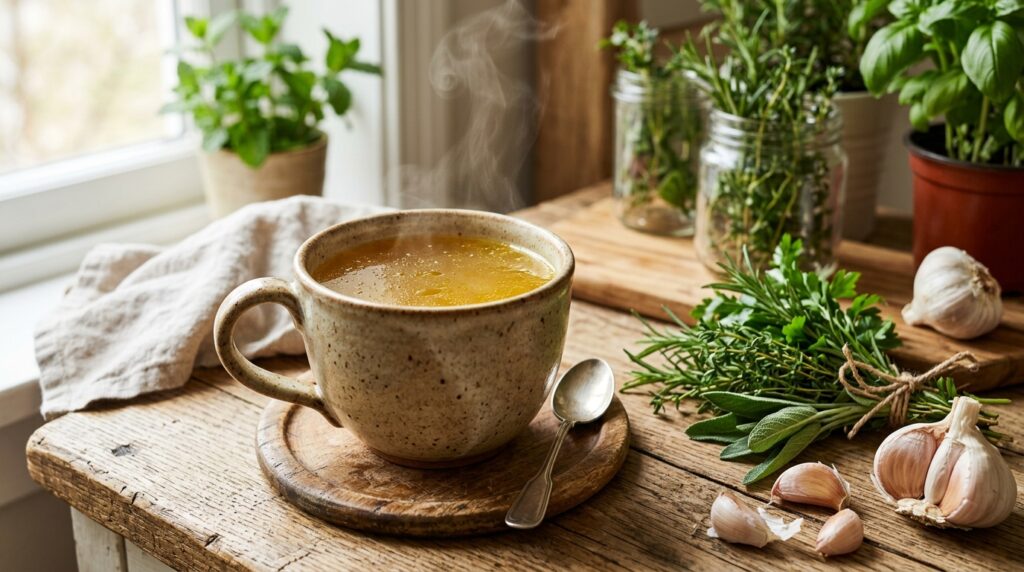
Bone broth is one of the most widely recommended foods for leaky gut repair, and for good reason. It is rich in collagen, gelatin, and the amino acids glycine and proline, which directly support the repair and regeneration of the intestinal lining. Gelatin in particular has been shown to help restore tight junction integrity. Sipping one to two cups of quality bone broth daily — or using it as a cooking base for soups and grains — provides consistent gut lining support with minimal effort.
2. Fermented Foods
Fermented foods such as yogurt, kefir, sauerkraut, and kimchi introduce beneficial probiotic bacteria that compete with harmful microorganisms and help restore the microbial balance necessary for a healthy gut lining. Certain probiotic strains have been specifically studied for their role in strengthening tight junctions and reducing intestinal permeability. Regular daily intake of fermented foods is one of the most consistent strategies for gradually improving gut barrier function over time.
3. Foods Rich in Zinc
Zinc is an essential mineral for gut lining repair and tight junction maintenance. Research has shown that zinc supplementation can significantly reduce intestinal permeability in people with leaky gut. Whole food sources of zinc include pumpkin seeds, hemp seeds, chickpeas, lentils, cashews, and shellfish such as oysters. Including zinc-rich foods regularly in your diet provides ongoing support for gut barrier integrity without requiring supplementation.
4. Fatty Fish and Omega-3 Foods
Omega-3 fatty acids found in salmon, mackerel, sardines, walnuts, and flaxseeds have well-documented anti-inflammatory properties that help protect the gut lining from inflammatory damage. Studies have shown that omega-3 intake is associated with reduced intestinal permeability and lower levels of inflammatory markers in the gut. Aim for two to three servings of fatty fish per week alongside daily omega-3-rich plant foods for comprehensive gut lining support.
5. Glutamine-Rich Foods
L-glutamine is the primary fuel source for the cells of the intestinal lining and is considered one of the most important nutrients for gut barrier repair. Foods naturally rich in glutamine include eggs, beef, chicken, fish, dairy products, and cabbage. Cabbage juice in particular has a long history of traditional use for gut healing and has been studied for its ability to promote intestinal repair. For a complete approach to supporting gut health through multiple dietary strategies, our article on how to improve gut health naturally covers complementary methods in depth.
6. Coconut Products
Coconut oil and coconut products contain medium-chain triglycerides and lauric acid, which have antimicrobial properties that help reduce harmful bacterial and yeast overgrowth in the gut — a common contributing factor to leaky gut. Coconut oil also has anti-inflammatory properties that support the overall gut environment. Use it in moderate amounts for cooking, or incorporate unsweetened coconut flakes and coconut yogurt as additional gut-supportive options.
7. Blueberries and Antioxidant-Rich Fruits
Blueberries, raspberries, pomegranate, and other antioxidant-rich fruits contain polyphenols that reduce oxidative stress and inflammation in the gut lining. Polyphenols also act as prebiotics, selectively feeding beneficial bacteria that support tight junction integrity. Studies have shown that regular blueberry consumption reduces gut inflammation markers and supports the integrity of the intestinal epithelial barrier, making these fruits a highly valuable daily addition for anyone working to heal leaky gut.
8. Turmeric and Ginger
Both turmeric and ginger contain potent anti-inflammatory compounds — curcumin and gingerols respectively — that directly support gut lining repair by reducing intestinal inflammation. Curcumin has been shown in multiple studies to reduce gut permeability and protect tight junctions from inflammatory damage. Ginger helps restore normal gut motility and reduces inflammation throughout the digestive tract. Incorporate both into your cooking regularly, or consume them as teas for a simple daily gut-healing habit.
9. Leafy Greens and Cruciferous Vegetables
Dark leafy greens such as spinach, kale, and Swiss chard provide folate, magnesium, and fiber that support healthy gut cell turnover and microbiome diversity. Cruciferous vegetables including broccoli, Brussels sprouts, and cabbage contain glucosinolates that the gut microbiome converts into anti-inflammatory and gut-protective compounds. Regular consumption of a wide variety of leafy and cruciferous vegetables creates a nutrient-dense foundation for gut lining repair and ongoing intestinal health.
10. Reduce Gut-Damaging Foods Simultaneously
Healing a leaky gut through food is most effective when combined with removing the dietary triggers that continue to damage the gut lining. The most impactful removals include refined sugar, alcohol, ultra-processed foods, and artificial additives — all of which increase harmful bacterial populations, elevate gut inflammation, and directly compromise tight junction integrity. Reducing these while adding the supportive foods listed above creates the optimal conditions for meaningful and lasting gut lining repair.

Conclusion
Healing a leaky gut with food requires a two-part approach: adding nutrients that directly support gut lining repair and simultaneously removing the dietary factors that perpetuate damage. Bone broth, fermented foods, omega-3-rich fish, zinc-containing seeds, glutamine-rich proteins, and antioxidant-rich fruits all play specific and evidence-supported roles in restoring intestinal barrier integrity.
This is not a quick fix — genuine gut lining repair typically takes several weeks to several months of consistent dietary effort. But the improvements in energy, immunity, skin health, and digestive comfort that accompany a healed gut make it one of the most rewarding nutritional investments you can make in your long-term health.
Frequently Asked Questions
What are the most common symptoms of leaky gut? Common symptoms associated with increased intestinal permeability include chronic bloating and digestive discomfort, food sensitivities, persistent fatigue, skin conditions such as eczema or acne, brain fog, joint pain, and frequent illness. Many of these symptoms overlap with other conditions, so consulting a healthcare professional for evaluation is advisable.
How long does it take to heal a leaky gut with food? The timeline varies depending on the severity of gut permeability and the consistency of dietary changes. Many people notice improvements in digestive symptoms within four to six weeks of sustained dietary effort. More complete gut lining repair and resolution of systemic symptoms typically takes three to six months of consistent commitment to a gut-healing diet.
Should I avoid gluten if I have leaky gut? Research suggests that gluten may increase intestinal permeability in some individuals — particularly those with non-celiac gluten sensitivity — by stimulating the release of zonulin, a protein that regulates tight junction function. Temporarily reducing or eliminating gluten while working to heal the gut lining can be a useful dietary strategy, though it is not universally necessary for everyone.
Related Articles
Signs of an Unhealthy Gut and How to Fix It How to Improve Gut Health Naturally Best Gut-Friendly Drinks for Better Digestion