Introduction
Your gut health influences nearly every system in your body — from your immune function and energy levels to your mental clarity and skin condition. Yet for many people, digestive discomfort, bloating, fatigue, and irregular bowel habits have simply become accepted as normal. They don’t have to be.
Improving gut health naturally is one of the most accessible and impactful things you can do for your overall well-being. Through targeted changes to your diet and daily lifestyle habits, you can support a more balanced and resilient gut microbiome without relying on expensive supplements or complex protocols. This guide covers ten proven, practical strategies for improving gut health naturally.
Why Natural Gut Health Improvement Works
The gut microbiome is highly responsive to the environment you create for it. Because gut bacteria have relatively short life cycles and reproduce rapidly, meaningful changes in the microbiome composition can occur within days to weeks of consistent dietary and lifestyle shifts. This responsiveness is both reassuring and empowering — it means that the choices you make today can have measurable positive effects on your gut relatively quickly.
Understanding what supports and what harms your gut bacteria gives you the tools to make lasting improvements in a natural, sustainable way.
How to Improve Gut Health Naturally
1. Eat More Dietary Fiber Every Day
Dietary fiber is the primary fuel source for beneficial gut bacteria. When bacteria ferment fiber in the colon, they produce short-chain fatty acids such as butyrate, which nourish the cells of the intestinal lining, reduce inflammation, and support healthy bowel movements. Most adults consume far less fiber than recommended. Practical ways to increase daily fiber include adding a serving of legumes to your meals, switching to whole grain options, increasing vegetable portions, and eating whole fruits rather than juices.
2. Include Fermented Foods Regularly
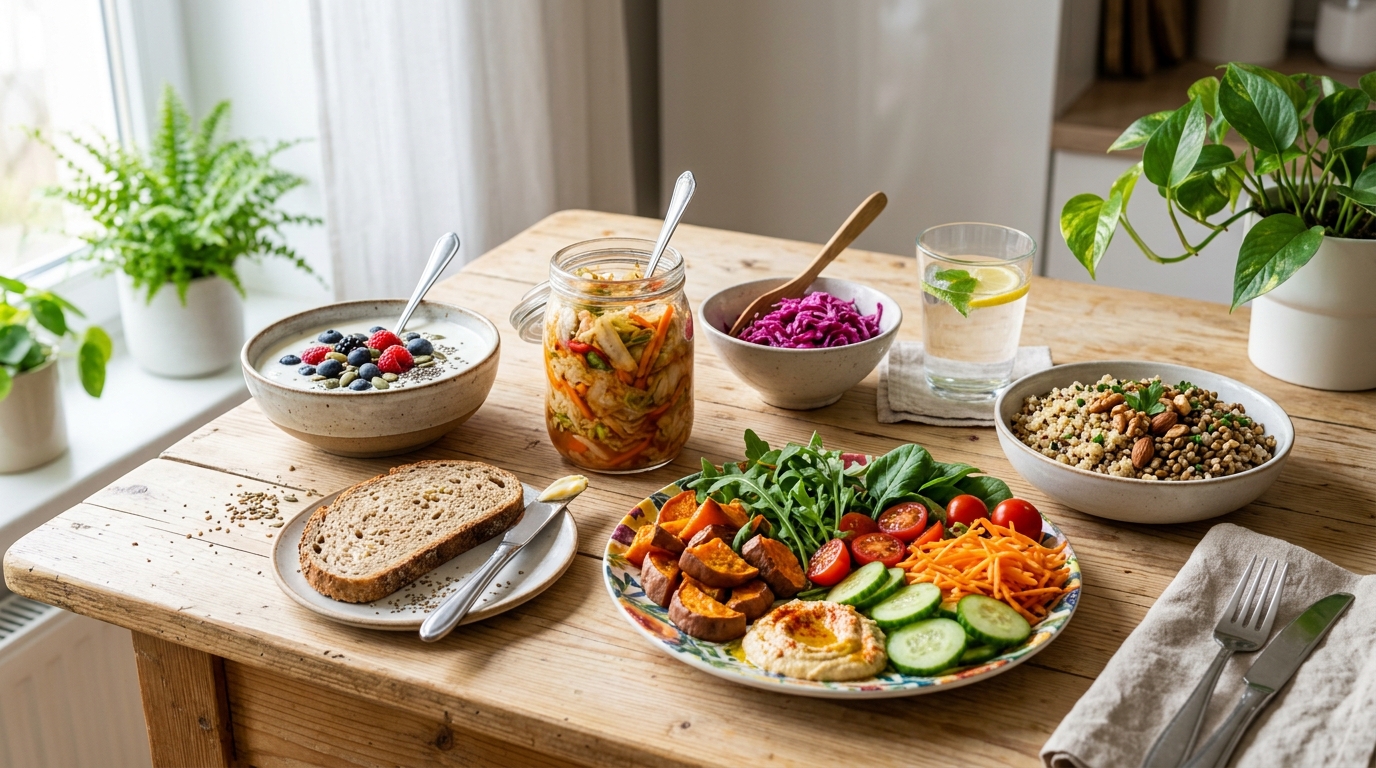
Fermented foods are among the most direct ways to introduce beneficial bacteria into your gut. Plain yogurt, kefir, kimchi, sauerkraut, miso, and tempeh all contain live cultures that contribute to microbiome diversity. A landmark study published in Cell found that a diet high in fermented foods increased microbiome diversity and reduced markers of inflammation more effectively than a high-fiber diet alone. Aim to include at least one serving of a fermented food each day for consistent benefit.
3. Feed Your Gut Bacteria With Prebiotics
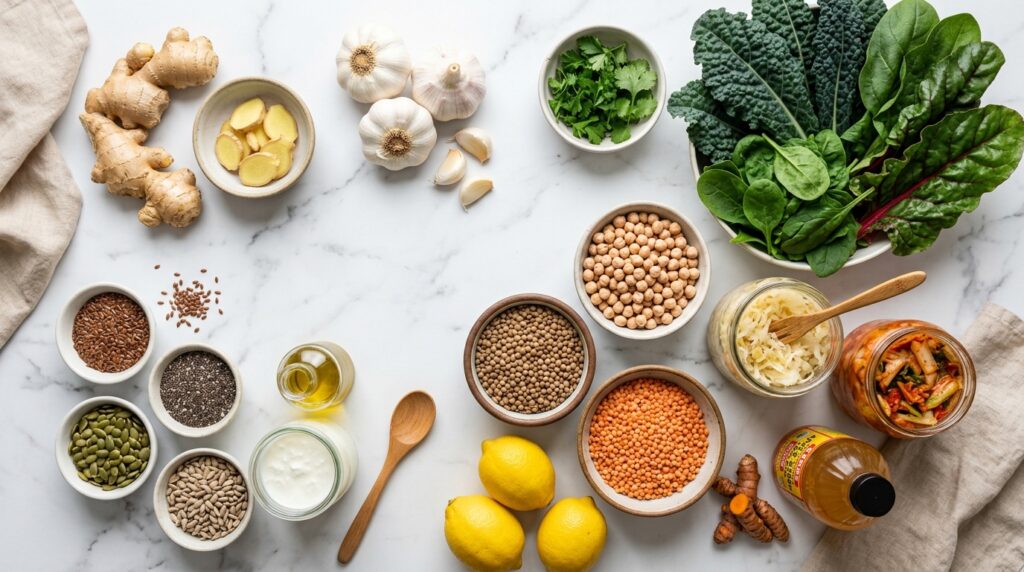
Prebiotics are specific types of dietary fiber that selectively nourish beneficial gut bacteria without feeding harmful strains. The best prebiotic foods include garlic, onions, leeks, asparagus, bananas, oats, chicory root, and Jerusalem artichokes. Pairing prebiotic foods with probiotic sources in the same meal amplifies the benefit for your gut microbiome. Simply adding garlic to a dish served alongside yogurt, for example, covers both categories simultaneously.
4. Diversify Your Plant Food Intake
Research from the American Gut Project found that people who regularly eat 30 or more different types of plants per week have significantly greater gut microbiome diversity than those eating ten or fewer. Diversity of plant input drives diversity of beneficial bacteria output. This doesn’t require an extraordinary effort — different vegetables, fruits, legumes, whole grains, nuts, seeds, herbs, and spices all count toward your weekly plant variety. Rotating your grocery choices regularly is one of the simplest and most effective gut health strategies available.
5. Reduce Ultra-Processed and High-Sugar Foods
Ultra-processed foods and added sugars are among the most damaging inputs for the gut microbiome. They are typically low in fiber, high in artificial additives, and provide an environment that promotes harmful bacterial overgrowth while suppressing beneficial strains. Reducing packaged snacks, fast food, sugary beverages, and refined baked goods creates space for beneficial bacteria to thrive. If you want to understand which specific foods most harm the gut lining, our article on foods that damage your gut lining covers this in practical detail.
6. Manage Stress Consistently
Chronic stress directly disrupts gut microbiome balance through the gut-brain axis. Elevated cortisol levels alter gut motility, increase intestinal permeability, and reduce the diversity of beneficial bacteria. Regular stress management practices — such as mindful breathing, walking in nature, journaling, or gentle exercise — have measurable positive effects on gut health over time. Even small daily stress reduction habits compound meaningfully across weeks and months.
7. Prioritize Quality Sleep
Sleep and gut health have a bidirectional relationship. Poor sleep disrupts the gut microbiome, and a disrupted microbiome impairs sleep quality. Adults consistently sleeping fewer than seven hours per night show lower gut microbiome diversity than those getting adequate rest. Maintaining a consistent sleep schedule, reducing screen time before bed, and creating a cool, dark sleeping environment are all evidence-supported steps for protecting both sleep quality and gut health simultaneously.
8. Exercise Regularly
Physical activity has a direct beneficial effect on gut microbiome composition. Studies have found that regular moderate exercise increases gut bacteria diversity, promotes the production of butyrate, and supports the overall resilience of the gut ecosystem. Both aerobic exercise and resistance training appear to contribute positively. Even 30 minutes of moderate walking most days of the week is associated with measurable improvements in microbiome diversity and digestive regularity.
9. Avoid Unnecessary Antibiotic Use
Antibiotics are life-saving medications when medically necessary, but unnecessary or frequent antibiotic use can cause lasting disruption to the gut microbiome. A single course of antibiotics can reduce bacterial diversity significantly, with some studies showing incomplete recovery for up to a year afterward. Speak with your healthcare provider about whether antibiotic treatment is truly needed in each situation, and support your microbiome with fermented and prebiotic foods when antibiotic use is unavoidable.
10. Stay Well Hydrated
Water is essential for maintaining the mucosal lining that coats the intestines and provides a healthy habitat for gut bacteria. Adequate hydration also supports regular bowel movements and helps prevent the constipation that can negatively alter gut microbiome composition. Aim to drink sufficient water consistently throughout the day, and consider including herbal teas such as ginger, fennel, or peppermint, which offer additional digestive support alongside hydration.
Conclusion
Improving gut health naturally is not about quick fixes or expensive interventions. It is about building consistent habits across diet, sleep, stress management, and physical activity that collectively create the conditions for a thriving gut microbiome.
Start with the changes you find most accessible — whether that’s adding more fiber to your meals, introducing a daily serving of yogurt, or committing to a regular walk. Each positive step compounds over time, and the cumulative effect on your gut health, energy, immunity, and overall well-being can be significant. A healthier gut is one of the most valuable long-term investments you can make in your health.
Frequently Asked Questions
What are the fastest natural ways to improve gut health? The fastest natural strategies are increasing dietary fiber intake and adding fermented probiotic foods to your daily routine. Both can begin shifting gut microbiome composition within days. Reducing ultra-processed foods and added sugar simultaneously accelerates the positive changes.
Can stress really affect gut health? Yes, significantly. Chronic stress alters gut motility, increases gut permeability, and disrupts the balance of gut bacteria through the gut-brain axis. Incorporating regular stress management practices is an important and often underestimated component of any gut health improvement plan.
How long does it take to improve gut health naturally? Many people experience improvements in digestion, bloating, and energy within two to four weeks of consistent dietary changes. Deeper improvements in microbiome diversity and systemic effects on immunity and mood typically develop over one to three months of sustained healthy habits.
Related Articles
Gut Health Diet for Beginners How Your Gut Microbiome Affects Your Overall Health Best Prebiotic Foods You Should Eat Daily