Introduction
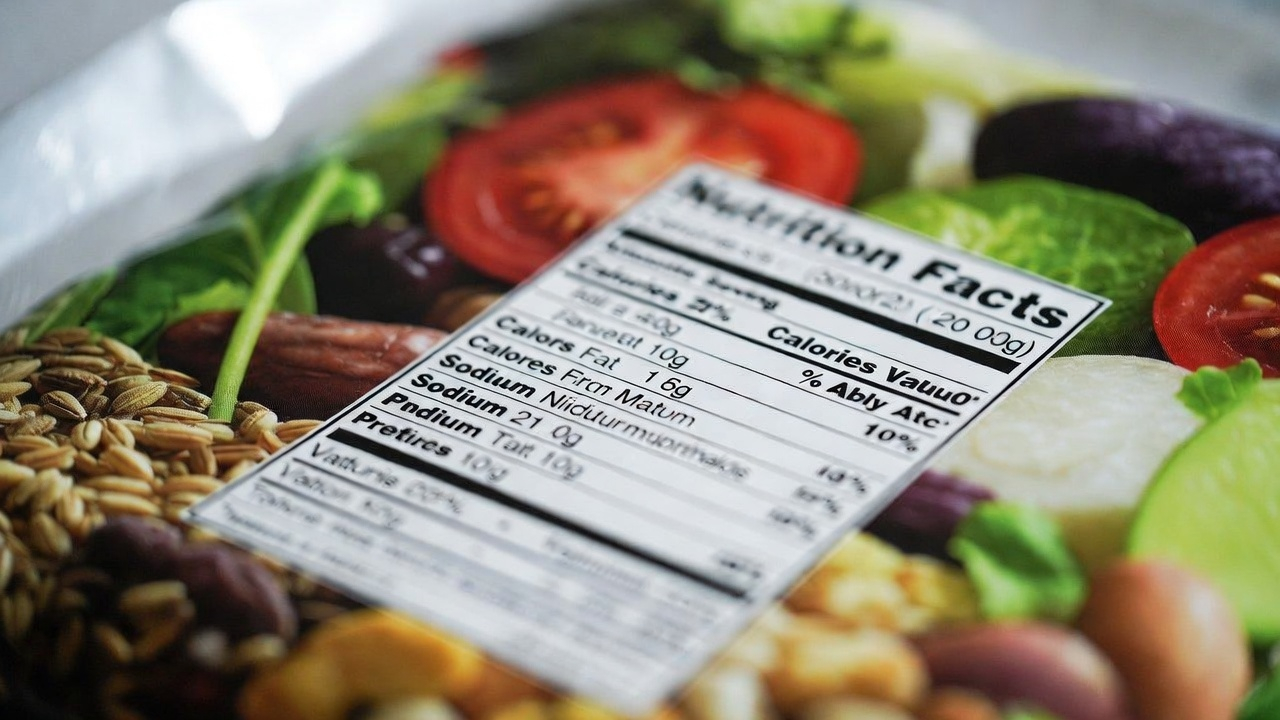
Nutrition labels are one of the most powerful tools available for making informed food choices — yet most people do not know how to use them effectively. Walking through a supermarket, nearly every packaged product carries a Nutrition Facts panel. But without understanding what to look for and what to ignore, these labels can be confusing or even misleading.
Learning to read nutrition labels correctly takes only a small amount of time and effort, but the payoff is significant. It allows you to compare products accurately, identify hidden sugars and unhealthy fats, understand portion sizes, and make food choices that genuinely align with your health goals.
Why Reading Nutrition Labels Matters
Food marketing is designed to influence purchasing decisions. Terms like “low-fat,” “natural,” “high-protein,” or “made with whole grains” appear on the front of packages and sound appealing — but the actual nutritional content may tell a different story.
The Nutrition Facts label on the back or side of the package provides regulated, standardized information that is not subject to marketing language. Understanding how to read it gives you an accurate, objective picture of what a product actually contains, regardless of what the front label claims.
How to Read Nutrition Labels Correctly
1. Start with the Serving Size
The first and most important thing to check on any nutrition label is the serving size. All the nutritional information listed — calories, fat, sugar, protein, and everything else — refers to this specific serving amount, not the entire package.
Many packages contain two, three, or even more servings. If you eat the whole package, you must multiply all values by the number of servings to understand what you actually consumed. Serving sizes on labels are standardized by regulatory agencies to make comparison between products easier, but they do not always reflect typical real-world portions.
2. Check the Calories
Calories indicate the total energy provided by one serving of the food. This number is relevant for weight management, but it does not tell the whole story about nutritional quality. A food can be low in calories but nutritionally poor, or higher in calories but nutrient-dense and highly beneficial.
Use calories as one data point among many rather than the primary measure of a food’s health value.
3. Examine Total Fat and Fat Type
The total fat section is less important than the breakdown of fat types listed beneath it. Saturated fat and trans fat are the types to watch. Saturated fat should be limited, and trans fat should be avoided entirely. Unsaturated fats — monounsaturated and polyunsaturated — are beneficial and do not need to be restricted in a healthy diet.
A product with a moderate total fat content but low saturated fat and zero trans fat is generally far preferable to one with low total fat but high saturated fat or any trans fat present.
4. Look at Sodium Content
Sodium is one of the most overconsumed nutrients in modern diets, primarily due to processed and packaged foods. The daily recommended limit is 2,300 milligrams. Many single servings of packaged soups, sauces, snacks, and ready meals contain 500 to 900 milligrams of sodium — a significant portion of the daily limit in just one serving.
If a product provides more than 20 percent of the daily value for sodium per serving, it is considered high in sodium.
5. Understand Total Carbohydrates and Fiber
The total carbohydrates figure includes starches, dietary fiber, and sugars. Within this section, dietary fiber is the carbohydrate fraction you want to maximize. High-fiber foods slow digestion, improve blood sugar control, feed beneficial gut bacteria, and promote satiety.
A food providing five grams or more of fiber per serving is considered high in fiber. Anything with less than one gram per serving is low in fiber and unlikely to contribute meaningfully to daily fiber goals.
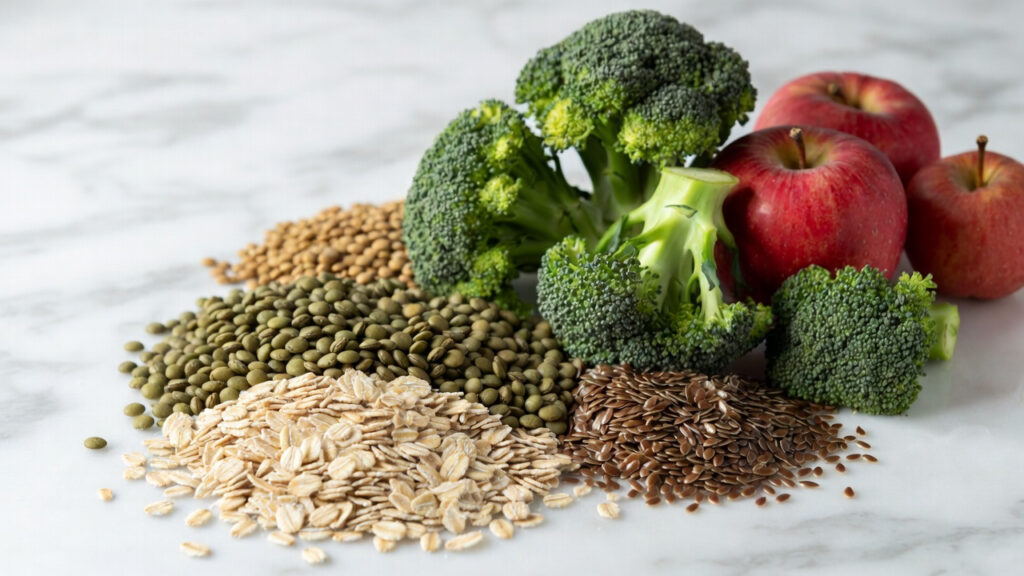
For a deeper understanding of which whole foods naturally provide the best combination of these nutrients, our article on the best foods for daily nutrient intake is a practical companion resource.
6. Identify Added Sugars vs. Total Sugars
This distinction is one of the most important updates in recent nutrition label redesigns. Total sugars include both naturally occurring sugars (from fruit or dairy) and added sugars. Added sugars are the ones to focus on limiting — they are the refined sugars added during manufacturing that provide calories with no nutritional benefit.
The American Heart Association recommends limiting added sugar to 25 grams per day for women and 36 grams for men. Many flavored yogurts, breakfast cereals, sauces, and snack bars far exceed this in a single serving.
7. Check the Protein Content
Protein content is listed in grams per serving. Most adults benefit from 20 to 30 grams of protein per meal to support muscle maintenance and satiety. Checking protein content helps identify whether a product will contribute meaningfully to daily protein needs or whether it will simply add calories without satisfying hunger.
8. Review the Percent Daily Values (%DV)
The percent daily value column shows what percentage of the recommended daily intake for each nutrient is provided by one serving, based on a 2,000-calorie reference diet. As a general guideline, 5 percent or less is considered low, and 20 percent or more is considered high.
Use this column to quickly identify products that are high in desirable nutrients like fiber, potassium, calcium, and vitamins, or high in nutrients to limit like saturated fat, sodium, and added sugar.
9. Read the Ingredient List
The ingredient list is separate from the Nutrition Facts panel but equally important. Ingredients are listed in descending order by weight — the first ingredient is the most abundant. If sugar, refined flour, or a type of oil appears in the first three ingredients, the product is likely nutritionally poor regardless of what its Nutrition Facts panel shows.
A short ingredient list made up of recognizable whole food ingredients is generally a good sign. Long ingredient lists featuring many chemical names, artificial additives, or multiple forms of sugar are a reliable indicator of a highly processed product.
10. Compare Products Using the Same Serving Size
Nutrition labels are most useful when used comparatively. When choosing between two similar products — two breakfast cereals, two yogurts, or two sauces — use the Nutrition Facts panel to compare them directly on fiber, added sugar, sodium, and protein per serving. This takes seconds and can make a significant difference in your daily nutritional intake over time.

Conclusion
Reading nutrition labels correctly is a skill that pays dividends every time you shop for food. By starting with the serving size, focusing on fiber and protein content, limiting added sugars and sodium, and scrutinizing the ingredient list, you can make far more informed food choices without needing any specialized nutritional knowledge.
It takes a little practice at first, but within a few shopping trips, label reading becomes second nature — and the improvements it enables in your dietary quality can be substantial.
Frequently Asked Questions
What is the most important thing to look for on a nutrition label? Serving size should always be checked first, as it determines the context for all other values. Beyond that, added sugar, sodium, fiber, and the ingredient list tend to be the most revealing indicators of a product’s actual nutritional quality.
Are low-fat products always healthier? Not necessarily. Low-fat products often replace fat with added sugar or refined carbohydrates to maintain palatability. Always check the full Nutrition Facts panel and ingredient list rather than relying on front-of-package claims like “low-fat” or “light.”
What does percent daily value mean on a nutrition label? Percent daily value shows how much of the recommended daily intake for each nutrient is provided by one serving of the food, based on a 2,000-calorie daily diet. Five percent or less is low, and 20 percent or more is high. It helps quickly identify whether a product is a good or poor source of specific nutrients.