Introduction
High blood pressure — or hypertension — is often called the silent killer because it rarely causes obvious symptoms while quietly damaging blood vessels, the heart, kidneys, and brain. It affects roughly one in three adults globally and is a leading risk factor for heart attack, stroke, and heart failure. While medication is often necessary, diet is one of the most powerful and well-evidenced tools for naturally reducing blood pressure.
Certain nutrients play particularly important roles in blood pressure regulation. Potassium counteracts the blood-pressure-raising effects of sodium. Nitrates relax arterial walls and improve blood flow. Magnesium helps blood vessels dilate. Calcium supports vascular muscle function. Knowing which foods deliver these nutrients effectively allows you to make dietary choices that directly impact your blood pressure readings over time.
Why Dietary Choices Affect Blood Pressure
Blood pressure is determined by the force of the heart’s contractions and the resistance of blood vessels. When arteries are stiff, inflamed, or narrowed — processes driven in part by poor diet — the heart must pump harder to circulate blood, raising pressure throughout the system.
Sodium draws water into the bloodstream, increasing blood volume and pressure. Conversely, potassium helps the kidneys excrete excess sodium and relaxes arterial walls. Antioxidant-rich foods reduce arterial inflammation and improve vessel elasticity. This is why the DASH diet (Dietary Approaches to Stop Hypertension) — built around fruits, vegetables, whole grains, and low-fat dairy — consistently outperforms most pharmacological approaches in clinical trials for modest to moderate hypertension.
Best Foods to Lower Blood Pressure
1. Leafy Greens
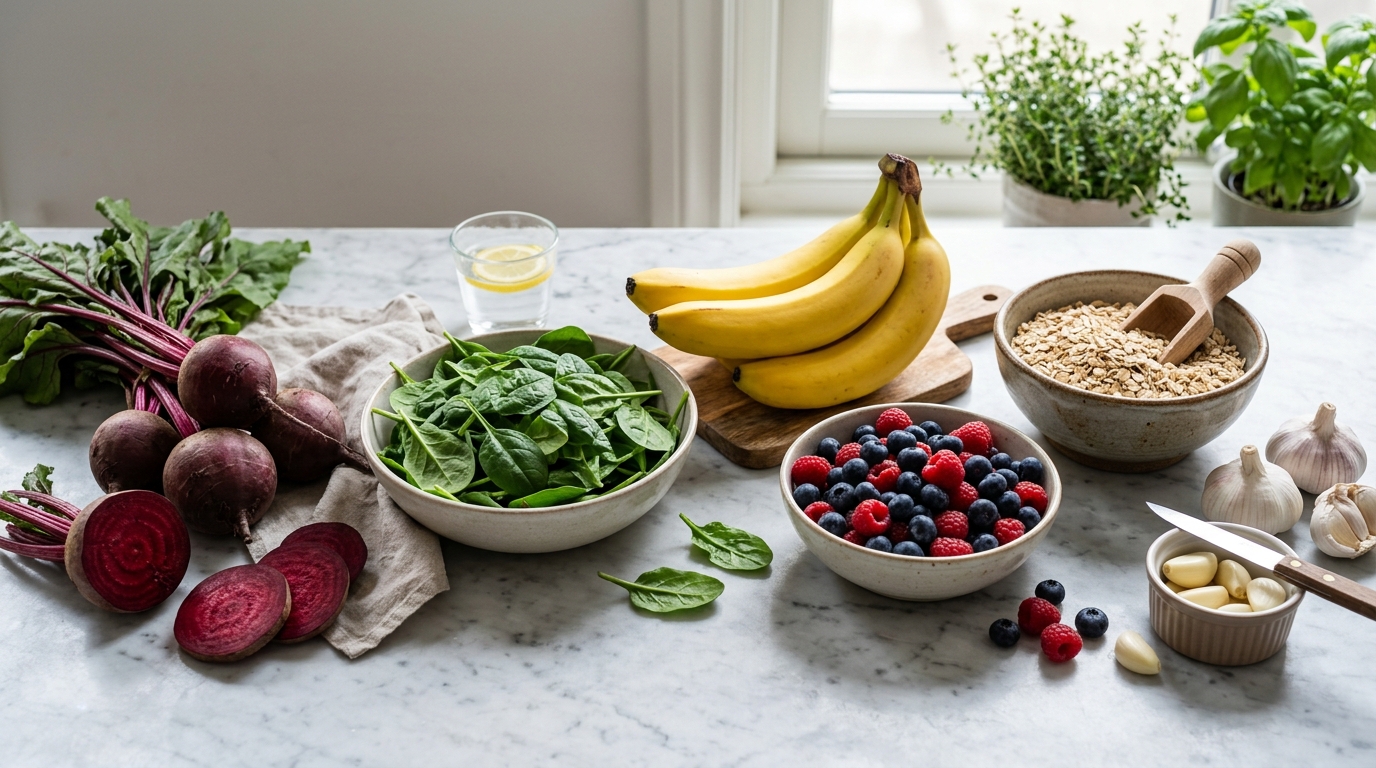
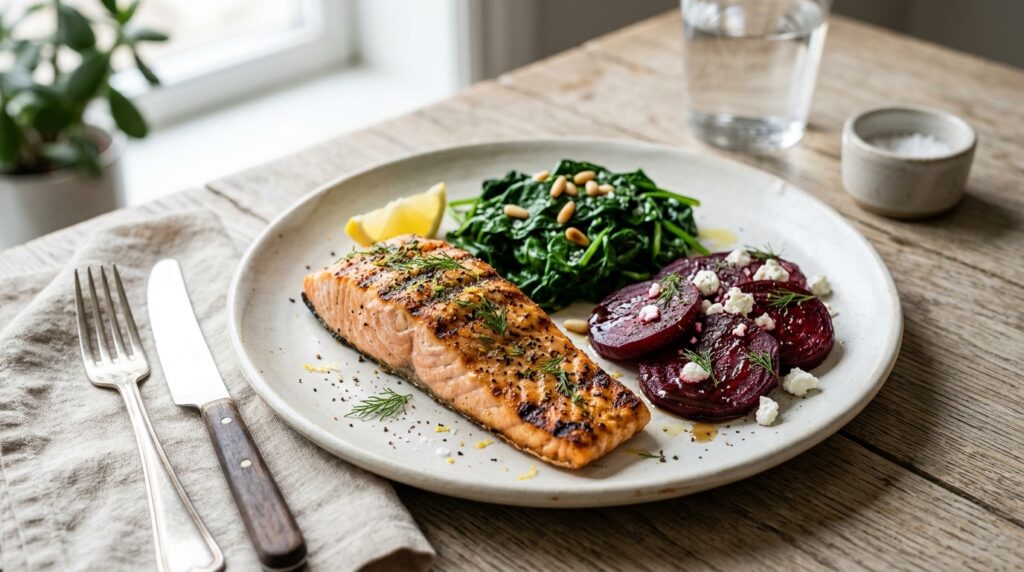
Spinach, kale, beet greens, and Swiss chard are exceptionally high in both potassium and dietary nitrates. Potassium helps balance sodium levels and relax arterial walls, while dietary nitrates are converted in the body to nitric oxide — a compound that dilates blood vessels and improves blood flow. Studies show that a diet rich in leafy greens can reduce systolic blood pressure by four to eight millimeters of mercury, which is clinically significant.
2. Beets
Beetroot is one of the most nitrate-dense foods available. Drinking a glass of beet juice or eating roasted beets has been shown to produce measurable reductions in blood pressure within hours, with effects lasting up to 24 hours in some studies. The nitrates convert to nitric oxide in the bloodstream, causing vessels to relax and widen. Regular beet consumption provides a sustained blood pressure-lowering benefit over time.
3. Berries
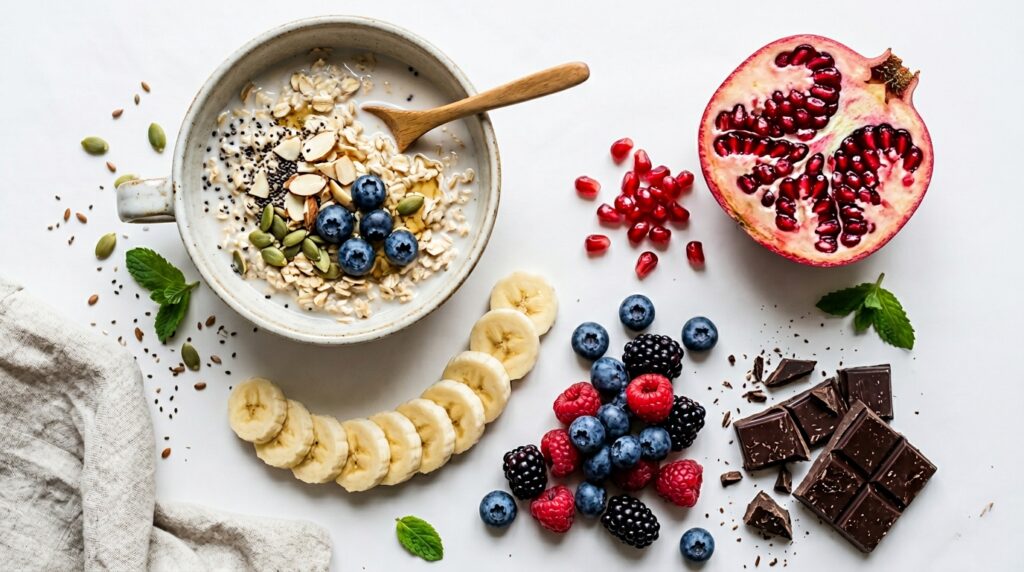
Blueberries and strawberries are particularly high in anthocyanins, which improve arterial stiffness and endothelial function. Research from the American Heart Association found that people who ate the most blueberries and strawberries had significantly lower rates of hypertension than those who ate the least. Berries are also rich in potassium and vitamin C, both of which contribute to blood pressure regulation.
4. Bananas
Bananas are one of the best-known dietary sources of potassium, providing around 422 milligrams per medium banana. Adequate potassium intake is one of the most effective nutritional interventions for reducing blood pressure, particularly in people who also consume high levels of sodium. Eating one to two bananas daily contributes meaningfully to the potassium intake recommended by major health guidelines.
5. Oily Fish
Salmon, mackerel, and sardines provide EPA and DHA omega-3 fatty acids that reduce vascular inflammation, improve arterial flexibility, and modestly but consistently lower blood pressure. Multiple meta-analyses confirm that fish oil supplementation reduces both systolic and diastolic blood pressure, with food-based sources providing the same benefit alongside additional nutrients.
If you’re interested in exploring how to build balanced meals around these blood-pressure-friendly foods, our guide on how to build a healthy meal plan offers practical strategies for structuring your eating week.
6. Garlic
Garlic contains allicin, a sulfur compound that promotes vasodilation and inhibits the enzyme that causes blood vessels to constrict. Meta-analyses of clinical trials have found that garlic supplementation significantly reduces both systolic and diastolic blood pressure in people with hypertension. Using fresh garlic generously in cooking is both practical and beneficial for blood pressure management.
7. Pomegranate
Pomegranate juice is among the most potent plant-based blood pressure-lowering foods studied. Its polyphenols inhibit an enzyme involved in blood vessel constriction and reduce arterial inflammation. A small daily serving of pomegranate juice — around 150 to 200 milliliters — has been shown to lower systolic blood pressure by several points over a matter of weeks in people with hypertension.
8. Yogurt and Low-Fat Dairy
Low-fat yogurt and dairy provide calcium, potassium, and magnesium — a trio of minerals that collectively support blood pressure regulation. The DASH diet, which was specifically designed to address hypertension, places significant emphasis on low-fat dairy as a cornerstone food. Research consistently shows that adequate calcium intake from food sources is associated with lower blood pressure, particularly in populations with lower baseline calcium intake.
9. Oats
Beyond their cholesterol-lowering properties, oats are also associated with blood pressure reduction. Their soluble fiber improves endothelial function and reduces arterial stiffness, while their magnesium content supports smooth muscle relaxation in blood vessel walls. Eating a bowl of oatmeal daily as part of a diet low in processed foods has a meaningful cumulative impact on blood pressure over time.
10. Dark Chocolate
Flavanol-rich dark chocolate — with at least 70% cacao — promotes the production of nitric oxide in blood vessel walls, which relaxes arteries and lowers pressure. Small amounts (around 30 grams daily) have been associated with a two to three point reduction in systolic blood pressure in clinical trials. It is worth emphasizing that milk chocolate with high sugar content does not carry the same benefit; the cacao percentage is critical.
Conclusion
Managing blood pressure through diet is a well-supported and practical approach that works best when combined with reduced sodium intake, regular physical activity, and stress management. The foods highlighted here — from leafy greens and beets to fatty fish and dark chocolate — each contribute to healthier blood pressure through distinct and complementary mechanisms. Incorporating these foods into your daily routine, particularly in place of high-sodium and high-sugar processed foods, can produce meaningful reductions in blood pressure over weeks and months. Always consult a healthcare provider if you are already on blood pressure medication before making major dietary changes.
Frequently Asked Questions
How much can diet lower blood pressure? Research suggests that dietary changes — particularly following patterns like the DASH diet — can reduce systolic blood pressure by eight to fourteen points in people with hypertension. This is comparable to the effect of a single blood pressure medication in many cases. Individual results depend on how significant the dietary shift is and other lifestyle factors.
What is the fastest way to lower blood pressure with food? Beetroot juice and foods rich in dietary nitrates can produce measurable blood pressure reductions within a few hours. However, these are short-term effects. Sustained improvement requires consistent dietary habits built around potassium-rich foods, fiber, and anti-inflammatory options over weeks and months.
Does reducing sodium alone lower blood pressure? Reducing sodium is one of the most effective single dietary changes for lowering blood pressure, particularly in salt-sensitive individuals. However, increasing potassium intake alongside sodium reduction produces significantly greater benefits than sodium restriction alone, making a whole-diet approach more effective than any single change.
Related Articles
10 Best Foods for Heart Health Foods That Lower Cholesterol Naturally 10 Best Anti-Inflammatory Foods