Introduction
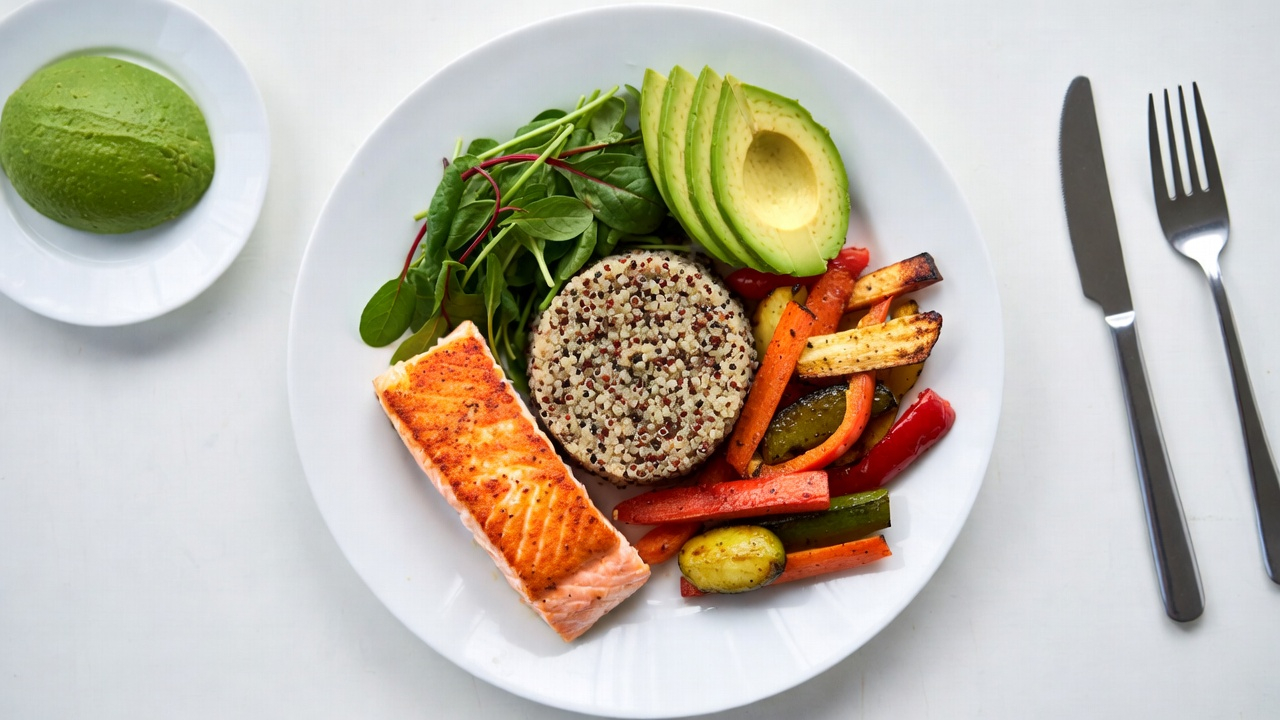
A balanced diet is not about eating one perfect food or following a single dietary trend. It is about regularly consuming a variety of foods that together provide everything your body needs — protein for repair and growth, carbohydrates for energy, fats for hormone production and brain function, and micronutrients for hundreds of essential biological processes.
Despite the complexity of human nutrition, a balanced diet can be built around a surprisingly simple selection of whole, minimally processed foods. Understanding which categories to prioritize and which specific foods deliver the most nutritional value makes the process far more straightforward than popular diet culture suggests.
This guide covers the best foods for each macronutrient and micronutrient category, giving you a practical framework for building a truly balanced daily diet.
Why Balance Matters More Than Individual Superfoods
Nutrition research consistently shows that it is the overall pattern of eating — not individual foods in isolation — that determines long-term health outcomes. Focusing on a single superfood while neglecting other nutritional categories creates gaps that no single food can fill.
A genuinely balanced diet meets your body’s needs across protein, carbohydrates, fats, vitamins, minerals, fiber, and water. Achieving this balance does not require precision or complexity — it requires regular variety across food groups and a foundation of whole, nutrient-dense ingredients.
Best Foods for a Balanced Diet
1. Salmon and Other Fatty Fish
Fatty fish such as salmon, mackerel, and sardines stand out as one of the most nutritionally complete animal protein sources available. They provide high-quality complete protein, omega-3 fatty acids EPA and DHA, vitamin D, B12, selenium, and iodine — a nutrient profile that supports the brain, heart, thyroid, and immune system simultaneously.
For a truly balanced diet, including fatty fish two to three times per week covers nutritional gaps that are difficult to fill with other foods. Salmon in particular is one of the few food sources of vitamin D that most people in northern latitudes need more of.
2. Eggs
Eggs are often called one of nature’s most complete foods for good reason. A single egg contains all essential amino acids in an ideal ratio, making its protein one of the most bioavailable of any food. Eggs also provide choline, vitamin B12, riboflavin, selenium, and fat-soluble vitamins A, D, E, and K2.
Including eggs regularly in a balanced diet provides a nutrient return that is difficult to match at a similar cost. They are also one of the most versatile foods across cooking methods, making daily inclusion practical and varied.
3. Leafy Green Vegetables
No food category contributes more micronutrient diversity per calorie than leafy green vegetables. Spinach, kale, Swiss chard, arugula, and collard greens are rich in vitamins K, A, C, and folate, along with minerals including iron, calcium, and magnesium.
These vegetables also contain significant amounts of dietary fiber and plant antioxidants that protect against cellular damage. For a balanced diet, incorporating at least one to two servings of leafy greens per day is one of the highest-impact habits available.
4. Legumes
Legumes — including lentils, black beans, chickpeas, and kidney beans — are exceptional contributors to dietary balance because they are simultaneously rich in both plant-based protein and complex carbohydrates, while also providing substantial fiber, iron, folate, and zinc.
This combination of nutrients makes legumes uniquely valuable in a balanced diet. They support blood sugar regulation, digestive health, cardiovascular health, and provide sustainable energy. Eating legumes three to four times per week meets protein needs for plant-based eaters and adds important fiber for everyone.
5. Whole Grains
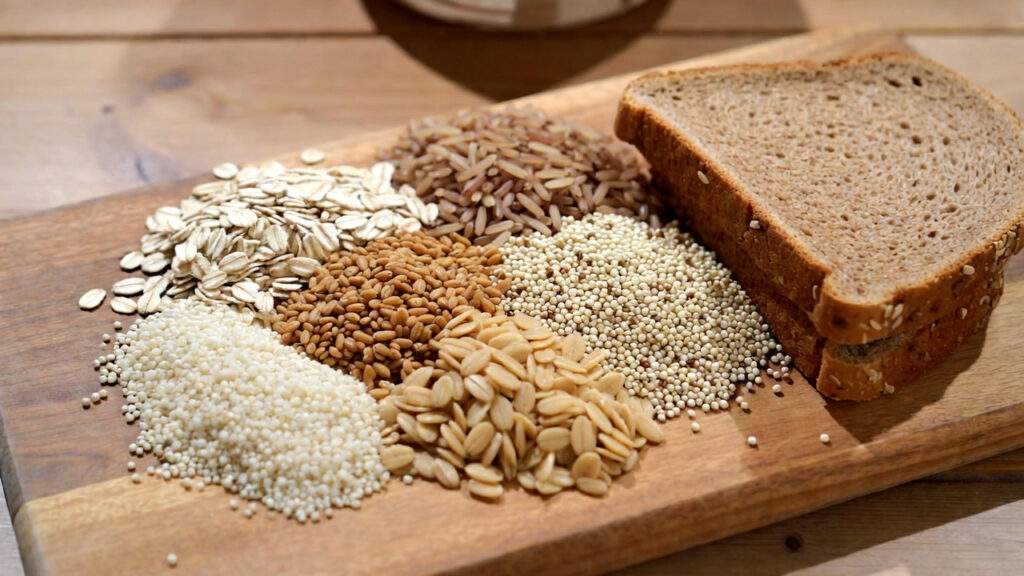
Whole grains — oats, quinoa, brown rice, barley, and whole wheat — are the most practical and accessible source of complex carbohydrates in a balanced diet. Unlike refined grains, whole grains retain their fiber, B vitamins, and trace minerals, which are essential for energy metabolism, nervous system function, and digestive regularity.
Quinoa deserves particular mention as the only grain that contains all nine essential amino acids, making it a complete protein source in addition to a complex carbohydrate.
For a more complete approach to daily eating, you may also want to read our article on the 10 best healthy foods to eat every day.
6. Avocado
Avocado is one of the best food sources of monounsaturated fats — the same type of healthy fat that makes olive oil and the Mediterranean diet so well-regarded for cardiovascular health. It is also one of the most potassium-rich foods available, surpassing even bananas, and provides meaningful amounts of fiber, folate, and vitamins K, C, and B6.
Including avocado in a balanced diet supports heart health, enhances the absorption of fat-soluble vitamins from other foods eaten in the same meal, and contributes to satiety. It is one of the few foods that improves the nutritional value of everything eaten alongside it.
7. Nuts and Seeds
Mixed nuts and seeds collectively provide one of the most diverse micronutrient profiles of any food group. Almonds are high in vitamin E and calcium. Walnuts are rich in plant-based omega-3 fatty acids. Pumpkin seeds provide zinc and magnesium. Flaxseeds and chia seeds offer fiber and omega-3s. Brazil nuts are one of the only reliable food sources of selenium.
Rotating between different nuts and seeds throughout the week efficiently covers multiple nutritional bases simultaneously. A small portion — roughly one ounce of mixed nuts and a tablespoon of seeds per day — is sufficient to gain these benefits.
8. Greek Yogurt
Greek yogurt provides a combination of high-quality protein, calcium, probiotics, and B vitamins in a single convenient food. The probiotics found in live-culture yogurt support gut microbiome diversity, which has broad implications for immune function, mood, digestion, and inflammation.
Choosing plain, unsweetened Greek yogurt avoids the added sugars found in flavored varieties while preserving all nutritional benefits. It works as a base for breakfast bowls, a protein-rich snack, or a substitute for sour cream and mayonnaise in savory applications.
9. Berries
Berries occupy a unique position in a balanced diet because they provide significant amounts of antioxidants and phytonutrients that are difficult to obtain from other food categories. Blueberries, raspberries, blackberries, and strawberries contain flavonoids, anthocyanins, and vitamin C at concentrations linked to reduced inflammation, improved brain function, and lower cardiovascular risk.
Frozen berries are as nutritious as fresh ones and are available year-round at lower cost, making daily inclusion practical regardless of season.
10. Olive Oil
Extra virgin olive oil is the most research-supported dietary fat in the world. Its high content of oleic acid and polyphenolic antioxidants has been shown to reduce inflammation, improve cholesterol profiles, support heart health, and even contribute to longevity outcomes in large-scale population studies.
Using olive oil as the primary cooking fat and dressing oil replaces less healthy fats while actively contributing to the anti-inflammatory quality of a balanced diet. It also enhances the absorption of fat-soluble vitamins from the vegetables and salads it is paired with.
Conclusion
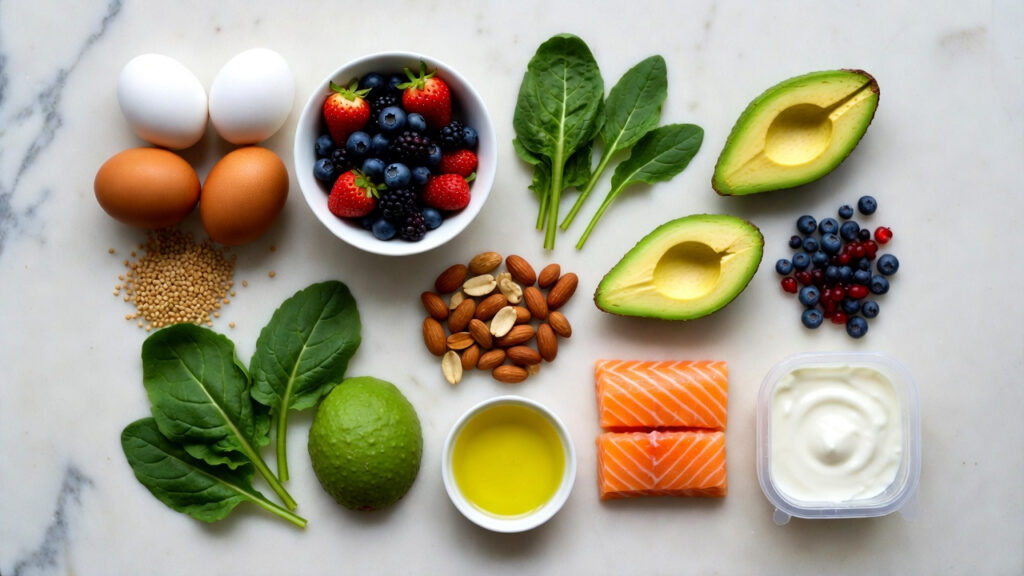
A balanced diet is built on variety, consistency, and a foundation of whole, minimally processed foods. Including fatty fish, eggs, leafy greens, legumes, whole grains, avocado, nuts, Greek yogurt, berries, and olive oil in your regular diet covers the broad spectrum of nutrients your body needs to function at its best.
No single food achieves nutritional balance on its own — but together, these ten categories work synergistically to provide the protein, carbohydrates, fats, fiber, vitamins, and minerals that form the basis of long-term health. Focus on variety and consistency, and the nutritional balance will follow.
Frequently Asked Questions
What does a balanced diet actually include? A balanced diet includes adequate protein from sources such as fish, eggs, or legumes; complex carbohydrates from whole grains and vegetables; healthy fats from olive oil, nuts, and avocado; and a wide range of vitamins and minerals from fruits, vegetables, and dairy or dairy alternatives.
How many food groups should I eat every day? Most nutritional guidelines recommend eating from at least four to five food groups daily — vegetables, fruits, protein sources, whole grains, and healthy fats. This ensures coverage of the key macro and micronutrients the body requires.
Is it possible to eat a balanced diet without meat? Yes. A balanced plant-based diet can be achieved by combining legumes, whole grains, nuts, seeds, leafy greens, and fortified foods to cover protein, iron, zinc, calcium, and B12 needs. Supplementing vitamin B12 and potentially vitamin D is advisable for those following a fully vegan diet.