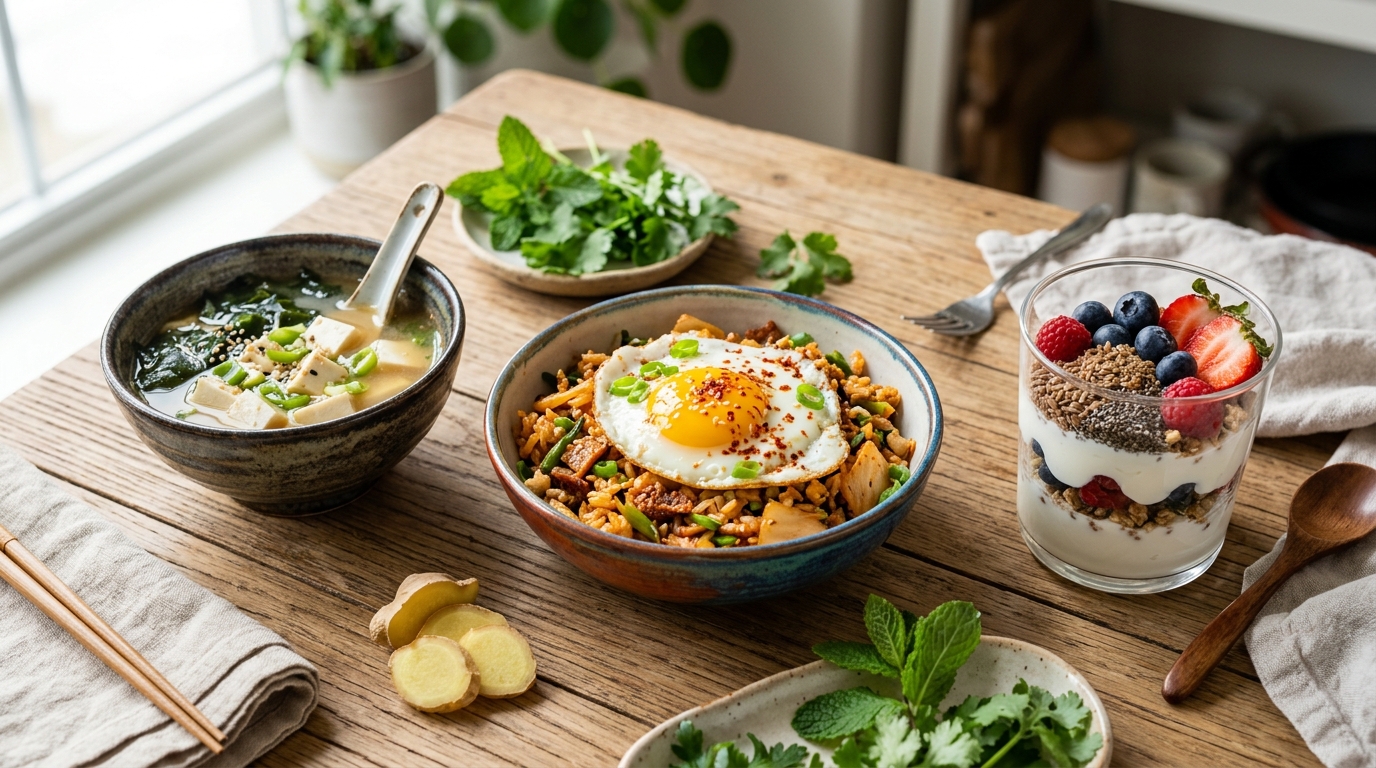
Your digestive system is the foundation of your overall health. It absorbs nutrients, houses the majority of your immune cells, and communicates directly with your brain through the gut-brain axis. When your gut is well nourished, virtually every aspect of your health improves — from energy and mood to immunity and metabolic function.
These best gut-friendly recipes for better digestion are built around ingredients that nourish the microbiome, support the gut lining, reduce digestive inflammation, and keep your digestive system functioning smoothly. Each recipe is genuinely delicious and practical enough to incorporate into your regular meal rotation.
The Connection Between Food and Gut Health
The trillions of bacteria, fungi, and other microorganisms that make up your gut microbiome are largely shaped by what you eat. A diet rich in fiber, fermented foods, and diverse plant-based ingredients feeds beneficial bacteria and creates an environment in which they thrive. In contrast, a diet high in ultra-processed foods, sugar, and artificial additives tends to deplete microbial diversity and promote gut inflammation.
The good news is that the gut microbiome responds remarkably quickly to dietary changes. Research suggests that meaningful shifts in microbial composition can occur within days of changing eating habits, which means even small improvements to your diet can have a rapid positive impact.
10 Best Gut-Friendly Recipes for Better Digestion
1. Yogurt Parfait with Kefir and Mixed Berries
Layer kefir — a fermented milk drink more potent in probiotics than regular yogurt — with plain Greek yogurt, sliced banana, fresh blueberries, and a tablespoon of ground flaxseed. This breakfast is loaded with live cultures that directly populate the gut with beneficial bacteria, while the flaxseed adds prebiotic fiber that feeds those cultures.
2. Miso Soup with Wakame and Tofu
Dissolve two tablespoons of white miso paste in hot (not boiling) water to preserve its live cultures. Add cubed silken tofu, rehydrated wakame seaweed, and sliced green onions. This classic Japanese soup is rich in probiotics from the miso, while wakame provides prebiotic polysaccharides that feed beneficial gut bacteria.
Never boil miso — high heat destroys the beneficial bacteria.
3. Kimchi Fried Rice
Sauté day-old brown rice in a small amount of sesame oil, then add a generous portion of kimchi, diced carrots, frozen peas, and a scrambled egg. Season with low-sodium soy sauce and a drizzle of sesame oil. Kimchi is a fermented Korean vegetable dish rich in Lactobacillus bacteria and is one of the most studied probiotic foods available.
Using fermented kimchi as a cooking base rather than heating it separately preserves more of its beneficial cultures.
4. Sauerkraut and Avocado Toast
Spread whole grain toast with mashed avocado and top with a generous spoonful of raw sauerkraut and a sprinkle of hemp seeds. Sauerkraut is raw fermented cabbage packed with probiotic bacteria and prebiotic fiber. The avocado adds healthy fat and potassium, which supports overall digestive muscle function.
Choosing raw, unpasteurized sauerkraut from the refrigerated section of your grocery store ensures the live cultures are intact.
5. Gut-Healing Bone Broth Soup
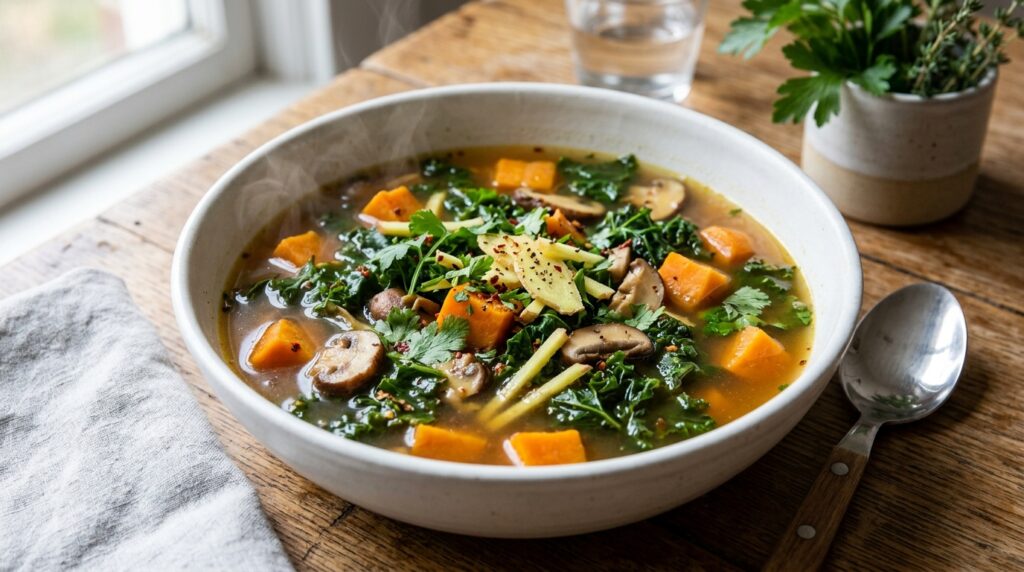
Simmer store-bought bone broth with diced sweet potato, chopped kale, sliced mushrooms, minced ginger, and a tablespoon of apple cider vinegar for 20 minutes. Bone broth is rich in collagen, gelatin, and amino acids including glycine and glutamine, which directly support the integrity of the intestinal lining.
This soup is particularly beneficial during periods of digestive discomfort or after antibiotic use. For a broader understanding of the foods that support gut microbiome diversity, our guide on the best probiotic foods for a healthy gut covers the topic in comprehensive detail.
6. Tempeh Stir-Fry with Vegetables
Slice tempeh into thin pieces and sauté in sesame oil with garlic, ginger, broccoli, snap peas, and red bell pepper. Season with tamari and rice vinegar. Tempeh is fermented soybeans pressed into a firm cake — it is a complete protein, rich in probiotics, and much higher in fiber than tofu, making it one of the most gut-friendly plant protein sources available.
7. Overnight Oats with Prebiotic Banana
Combine rolled oats, chia seeds, almond milk, and a small amount of honey in a jar. Refrigerate overnight. Top with sliced banana and a sprinkle of inulin-rich Jerusalem artichoke powder if available. Oats contain beta-glucan, a powerful prebiotic fiber that selectively feeds beneficial bacteria. Slightly underripe bananas are particularly rich in resistant starch, another valuable prebiotic.
8. Lentil and Ginger Soup
Sauté onion, garlic, and freshly grated ginger in olive oil. Add red lentils, vegetable broth, turmeric, cumin, and coriander. Simmer for 20 minutes until creamy and thick. Lentils are extraordinarily high in prebiotic fiber, providing fuel for the beneficial bacteria in your colon. Ginger has well-documented prokinetic properties, meaning it helps move food through the digestive tract more efficiently.
9. Fermented Overnight Buckwheat Porridge
Combine buckwheat groats with water and a tablespoon of kefir or natural yogurt. Leave covered at room temperature overnight, which allows mild fermentation to begin. In the morning, warm gently and top with fresh fruit, a drizzle of honey, and a sprinkle of pumpkin seeds. This fermented porridge is easier to digest than unfermented grains and provides both probiotics and prebiotic fiber.
10. Papaya and Mint Digestive Salad
Cube fresh papaya and combine with sliced kiwi, fresh mint leaves, a squeeze of lime juice, and a light drizzle of honey. Papaya contains papain, a proteolytic enzyme that assists with protein digestion, while kiwi contains actinidin, another digestive enzyme. Together, these tropical fruits make one of the most naturally effective digestive support foods available.
This refreshing salad works beautifully as a dessert, a breakfast bowl, or a light afternoon snack.
Conclusion
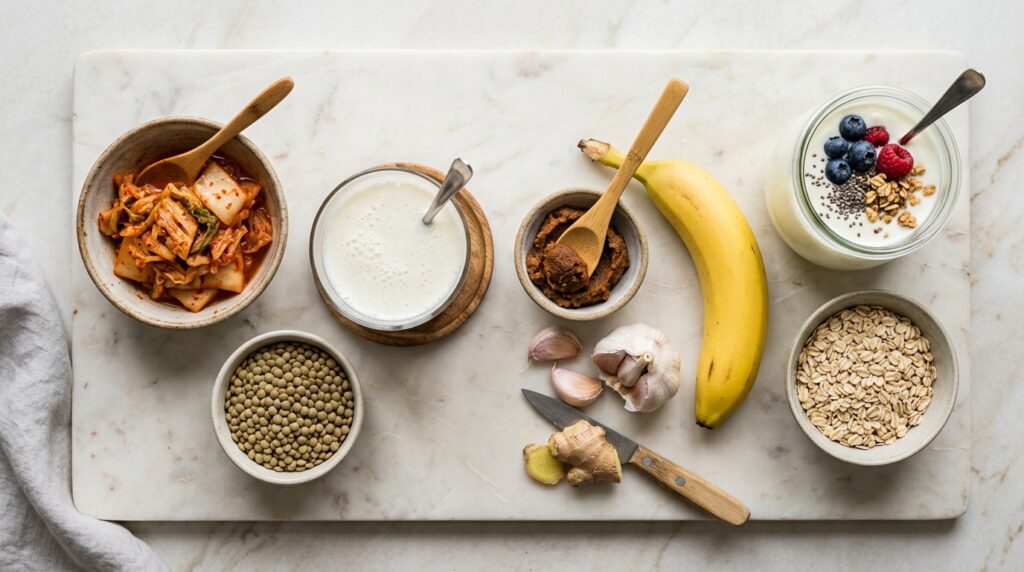
These ten gut-friendly recipes demonstrate that eating for digestive health can be varied, flavorful, and deeply satisfying. By regularly incorporating probiotic-rich fermented foods, prebiotic fiber from vegetables and whole grains, and soothing anti-inflammatory ingredients, you provide your gut microbiome with everything it needs to flourish.
The cumulative effect of these dietary choices extends far beyond digestion. A well-nourished gut contributes to stronger immunity, better mood, more stable energy, and reduced risk of chronic disease. Every gut-friendly meal is an investment in your whole-body health.
Frequently Asked Questions
What is the difference between probiotic and prebiotic foods? Probiotic foods contain live beneficial bacteria that colonize the gut microbiome. Examples include yogurt, kefir, kimchi, sauerkraut, miso, and tempeh. Prebiotic foods contain specific types of fiber that feed and sustain the beneficial bacteria already present in your gut. Examples include oats, garlic, onions, bananas, and lentils. Both types of food are important and ideally should be consumed together.
How often should I eat fermented foods for gut health benefits? Most research suggests that consuming small amounts of fermented foods daily has more benefit than larger amounts consumed infrequently. Even a tablespoon of kimchi or sauerkraut with a meal, or a serving of yogurt at breakfast, is enough to make a meaningful difference when done consistently over time.
Can cooking destroy the probiotics in fermented foods? Yes. Prolonged exposure to high heat destroys live bacterial cultures. To preserve the probiotic benefits of fermented foods like miso and kimchi, add them to dishes after cooking or use them in preparations that do not involve direct heat. Raw, unpasteurized versions of fermented foods always contain more live cultures than their pasteurized counterparts.