Introduction
Protein is one of the most essential macronutrients in your diet. It is the raw material your body uses to build and repair muscle tissue, synthesize hormones and enzymes, support immune function, and maintain a feeling of fullness after meals. Despite its importance, many people fail to consume enough protein daily — or rely too heavily on low-quality sources.
This guide covers the best high-protein foods for a healthy diet, including both animal and plant-based options, so you can meet your protein needs in a way that aligns with your preferences and health goals.
Why Protein Is Essential in a Healthy Diet
Adequate protein intake is associated with better body composition, improved metabolic function, and reduced risk of muscle loss as you age. Protein also has the highest thermic effect of any macronutrient, meaning your body burns more calories digesting it compared to fats or carbohydrates. This makes it a valuable nutrient for weight management as well as overall health maintenance.
Most adults need between 0.7 and 1 gram of protein per pound of body weight daily, with higher requirements for active individuals and older adults trying to preserve muscle mass.
Best High-Protein Foods for a Healthy Diet
1. Chicken Breast
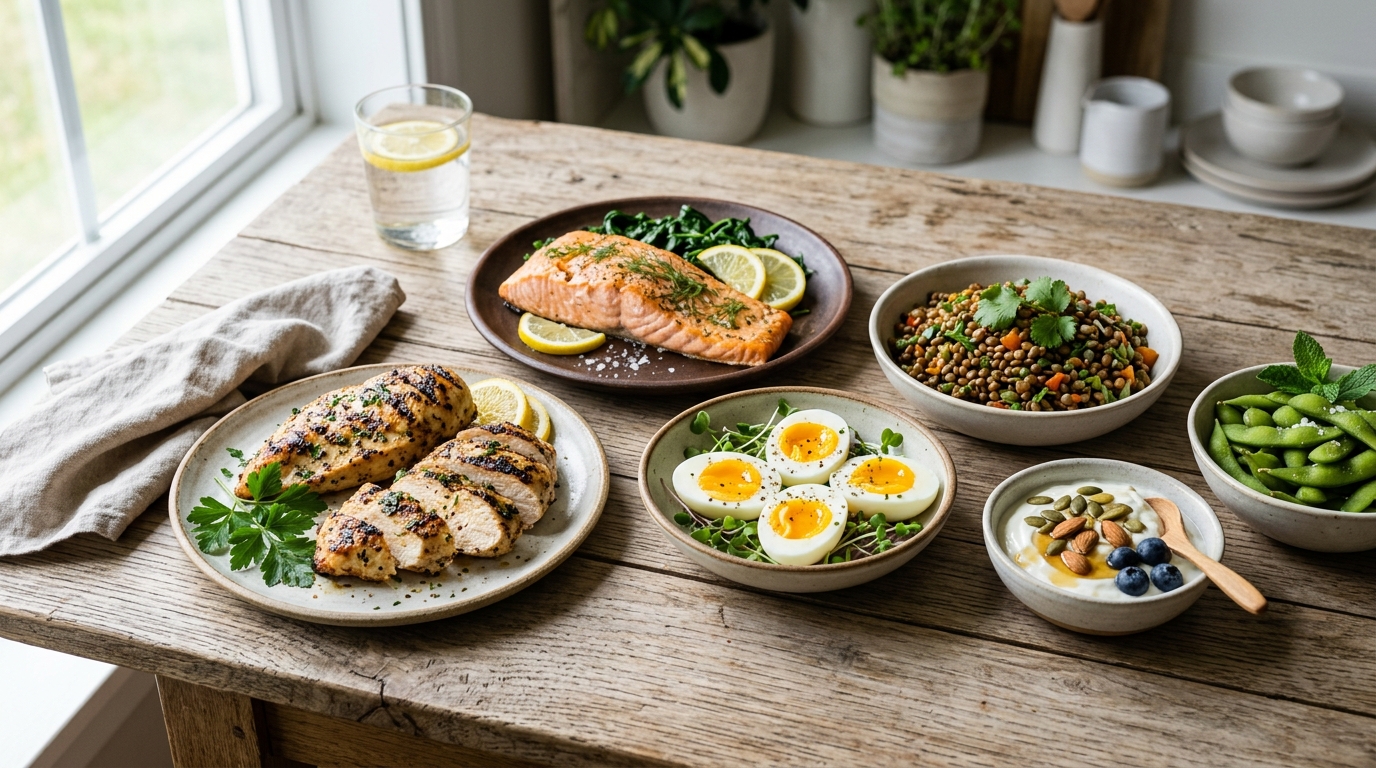
Skinless chicken breast is one of the most widely consumed high-protein foods for good reason. A single four-ounce serving provides around 26 grams of complete protein with minimal saturated fat. It is incredibly versatile — grilled, baked, stir-fried, or shredded — and pairs with almost any vegetable or grain. For anyone building a high-protein diet, chicken breast is a practical and reliable anchor.
2. Eggs
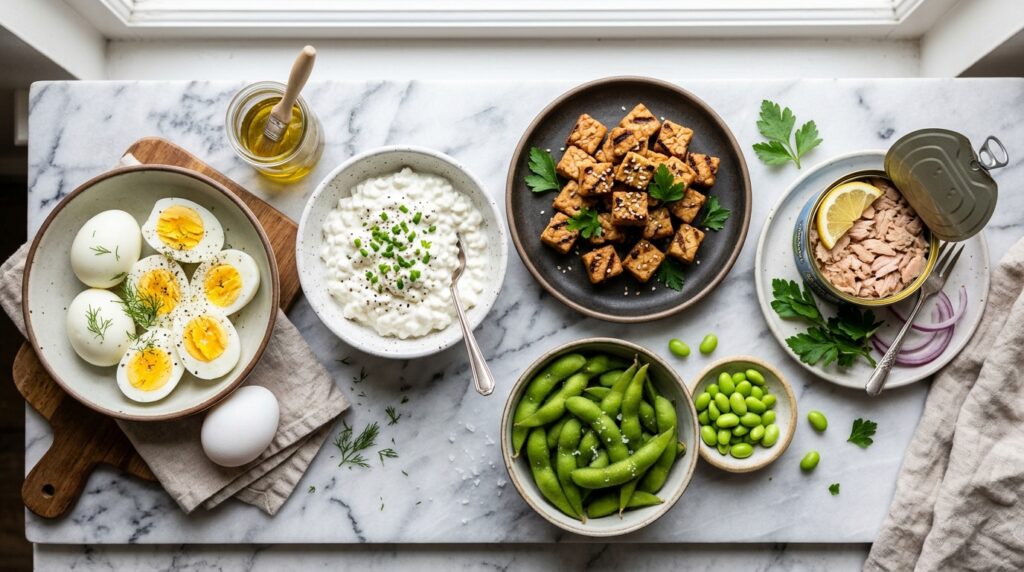
Each whole egg contains about six to seven grams of complete protein, along with healthy fats, choline, and a range of vitamins and minerals. Eating two or three eggs at breakfast sets a strong protein foundation for the day and reduces the tendency to overeat later. Contrary to outdated concerns, moderate egg consumption is considered safe and beneficial for most people.
3. Greek Yogurt
Plain Greek yogurt delivers approximately 15 to 20 grams of protein per cup, making it one of the most protein-dense dairy foods available. It also provides probiotics, calcium, and B vitamins. Choosing full-fat or low-fat plain varieties avoids the excess sugar found in flavored options. Greek yogurt works well as a standalone snack, a smoothie base, or a creamy substitute for sour cream in savory dishes.
4. Canned Tuna
Canned tuna is one of the most cost-effective high-protein foods available. A standard can provides around 25 grams of lean protein with very little fat. It is convenient, shelf-stable, and can be added to salads, wraps, pasta, or eaten on whole grain crackers. Choosing tuna packed in water rather than oil keeps the calorie content lower without sacrificing protein content.
5. Lentils
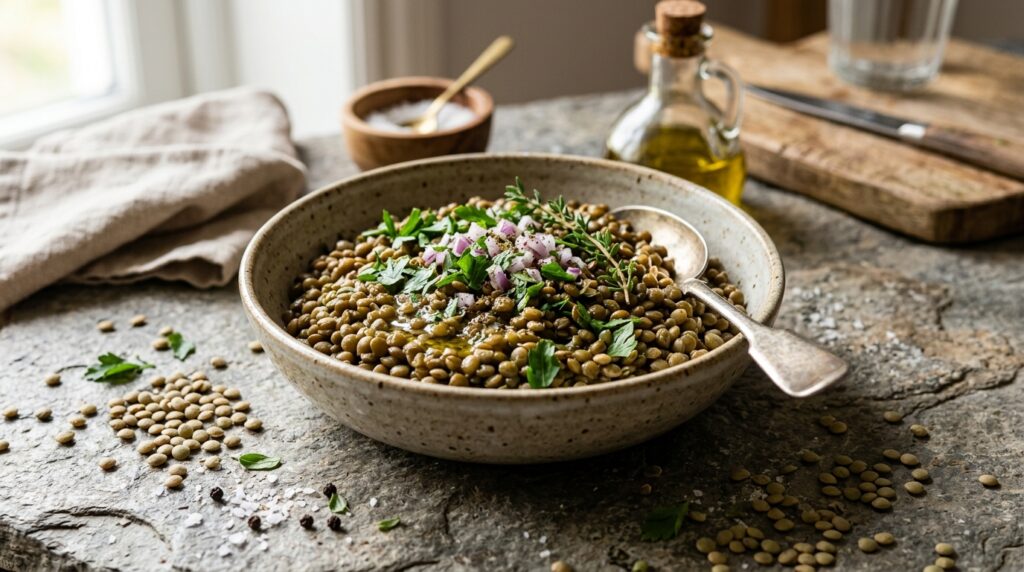
Among plant-based protein sources, lentils are exceptional. One cooked cup provides approximately 18 grams of protein along with a substantial amount of fiber, iron, and folate. Unlike animal proteins, lentils also contribute significantly to your daily fiber intake, supporting gut health and blood sugar stability simultaneously. They are one of the best foods for vegetarians and vegans trying to meet protein targets without relying on processed meat alternatives.
For more strategies on meeting protein needs through plant-based eating, you may also find our guide on how to get enough protein on a plant-based diet helpful.
6. Salmon
Salmon provides around 22 to 25 grams of high-quality complete protein per cooked serving, plus omega-3 fatty acids that reduce inflammation and support heart and brain health. It is one of the few protein sources that simultaneously delivers meaningful amounts of vitamin D and B12. Eating salmon two to three times per week covers protein needs while adding nutrients that are difficult to obtain from most other sources.
7. Cottage Cheese
Cottage cheese is an underrated high-protein dairy option with around 25 grams of protein per cup. It is also high in casein protein, which digests slowly and makes it particularly effective at maintaining satiety over several hours. It works well as a snack on its own, blended into smoothies, or paired with fruit. Its mild flavor adapts easily to both sweet and savory applications.
8. Edamame
Edamame — young green soybeans — provides roughly 17 grams of complete plant protein per cooked cup, making it one of the few plant foods to deliver all essential amino acids. It is also high in fiber, folate, and vitamin K. Edamame is available frozen in most grocery stores and can be prepared in minutes. It makes an excellent protein-rich snack or addition to salads, grain bowls, and stir-fries.
9. Tempeh
Tempeh is a fermented soy product with one of the highest protein contents among plant-based foods, offering around 30 grams per cup. Unlike tofu, tempeh has a firmer texture and a nutty flavor that works well marinated and seared, crumbled into sauces, or sliced and grilled. Its fermentation process also makes it easier to digest and enhances the bioavailability of its nutrients.
10. Lean Beef
Lean cuts of beef like sirloin, round, and 90-percent lean ground beef are excellent complete protein sources with about 25 grams per three-ounce cooked serving. They also supply heme iron, which is more bioavailable than the iron found in plant foods, as well as zinc, B12, and creatine. Consuming lean beef in moderation — two to three times per week — can meaningfully support muscle maintenance and micronutrient intake.
Conclusion
The best high-protein foods for a healthy diet include a diverse range of both animal and plant-based options. Chicken breast, eggs, Greek yogurt, salmon, lentils, and tempeh each offer substantial protein alongside complementary nutrients that support overall health. Building variety into your protein sources ensures you cover a broader range of amino acids, minerals, and vitamins while keeping your diet interesting and sustainable.
Frequently Asked Questions
How much protein do I need per day? Most adults benefit from consuming between 0.7 and 1 gram of protein per pound of body weight. Active individuals, older adults, and those recovering from illness or injury often benefit from higher intakes closer to or above 1 gram per pound.
Can I meet my protein needs on a plant-based diet? Yes, with planning. Combining sources like lentils, edamame, tempeh, tofu, quinoa, and Greek yogurt or eggs (if lacto-ovo vegetarian) can meet daily protein requirements without any animal meat.
Is it better to eat protein all at once or spread throughout the day? Research suggests that distributing protein intake across three or more meals supports muscle synthesis better than consuming it primarily in one sitting. Aiming for 25 to 40 grams of protein per meal is a practical guideline.
Related Articles