
Arthritis affects hundreds of millions of people worldwide, making it one of the most common causes of chronic pain and reduced mobility. While there is no diet that can cure arthritis, research consistently shows that what you eat has a direct impact on joint inflammation, pain levels, and overall disease progression — particularly in rheumatoid arthritis and osteoarthritis.
The right foods can help quiet the inflammatory processes that drive joint swelling and stiffness. The wrong foods, on the other hand, can amplify inflammation and accelerate cartilage breakdown. For anyone managing arthritis or trying to protect their joints proactively, understanding which foods fight arthritis pain is one of the most empowering steps you can take.
Why Diet Matters for Arthritis
Both major forms of arthritis involve inflammation. In rheumatoid arthritis, the immune system mistakenly attacks the joint lining, causing chronic inflammation. In osteoarthritis, repeated mechanical stress and metabolic inflammation break down cartilage over time. Certain dietary compounds actively modulate inflammatory pathways, reduce oxidative stress in joint tissue, and even support cartilage repair.
Multiple studies have found that patients following anti-inflammatory dietary patterns — similar to a Mediterranean diet — report significant reductions in joint pain and stiffness compared to those eating a standard Western diet. This is not placebo. These foods contain measurable biological compounds that influence how your immune system and joints function.
Foods That Fight Arthritis Pain: 10 Best Choices
1. Fatty Fish
Fatty fish — particularly salmon, sardines, herring, and mackerel — are among the most powerful foods for arthritis management. Their high omega-3 fatty acid content, specifically EPA and DHA, directly reduces the production of pro-inflammatory prostaglandins and cytokines that drive joint inflammation. Clinical trials have shown that regular omega-3 intake can reduce joint swelling, morning stiffness, and the need for anti-inflammatory medication in rheumatoid arthritis patients. Aim for at least two servings per week.
2. Olive Oil
Extra virgin olive oil is a staple of the Mediterranean diet and contains oleocanthal, a phenolic compound that inhibits the same inflammatory enzymes targeted by ibuprofen. While the effect per serving is smaller than a pharmaceutical dose, regular consumption throughout the day adds up to meaningful anti-inflammatory activity. Using olive oil as your primary cooking fat and salad dressing is one of the simplest dietary changes you can make to support joint health.
3. Berries
Blueberries, strawberries, raspberries, and cherries are exceptional sources of anthocyanins and quercetin — antioxidants with proven anti-inflammatory activity. Tart cherries in particular have been studied for their effect on gout and general joint inflammation, with research showing they can lower uric acid levels and reduce the frequency of gout attacks. Daily berry consumption is an easy and enjoyable way to support your joints without any complicated preparation.
4. Broccoli
Broccoli is one of the most nutrient-dense vegetables for joint health. It contains sulforaphane, a compound that has been shown in laboratory studies to block inflammatory processes associated with cartilage destruction in osteoarthritis. It is also a good source of vitamin C, which is essential for collagen synthesis — the structural protein that makes up cartilage. Eating broccoli regularly, whether steamed, roasted, or raw, supports both inflammation control and cartilage maintenance.
5. Walnuts
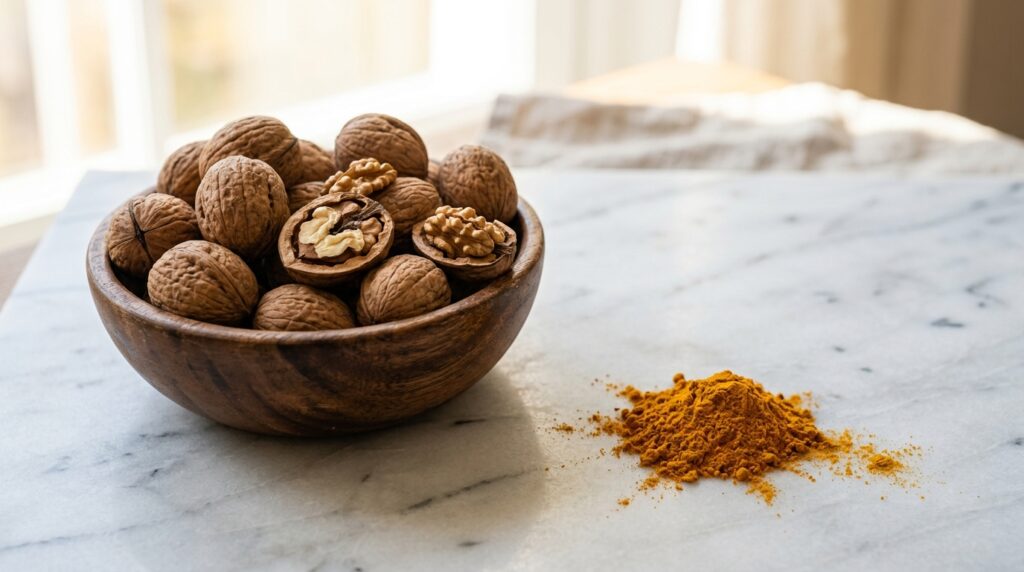
Walnuts are one of the best plant-based sources of omega-3 fatty acids, specifically alpha-linolenic acid (ALA). They also contain polyphenols that reduce inflammatory markers at the cellular level. Studies specifically examining walnut consumption in rheumatoid arthritis patients have found associations with reduced disease activity. A small handful of walnuts as a daily snack is a simple and satisfying anti-arthritis habit. For more foods with similar benefits, our overview of the best anti-inflammatory foods covers additional options.
6. Turmeric
Curcumin, the active compound in turmeric, has been the subject of dozens of clinical trials related to arthritis. Results consistently show that high-quality curcumin supplements reduce pain and improve physical function in osteoarthritis patients to a degree comparable to some anti-inflammatory medications. Cooking with turmeric regularly — in curries, soups, and golden milk — provides a lower but still beneficial dose. Combining it with black pepper increases absorption by up to 20 times.
7. Garlic
Garlic contains diallyl disulfide, a compound that has been shown to inhibit the activity of certain enzymes that damage cartilage in osteoarthritis. Allicin, released when garlic is crushed or chopped, has strong anti-inflammatory and antioxidant properties. Regular garlic consumption as part of a whole diet — rather than isolated supplementation — is associated with better inflammatory control. Use it generously in cooking, but note that raw garlic preserves more allicin than cooked versions.
8. Spinach and Leafy Greens
Leafy greens like spinach, kale, and Swiss chard are rich in vitamin K, which plays an important role in regulating inflammatory pathways. They also provide magnesium, folate, and vitamin C — all nutrients that support connective tissue health and reduce oxidative stress in joints. Studies on vitamin K intake and osteoarthritis have found that higher dietary vitamin K is associated with lower rates of cartilage breakdown. Including one to two servings of leafy greens daily is an excellent joint-protective habit.
9. Green Tea
Green tea’s EGCG content not only fights general inflammation but also appears to specifically benefit arthritis. Research suggests that EGCG can block certain molecules that trigger joint damage in rheumatoid arthritis and reduce cartilage degradation. Drinking two to three cups of green tea per day provides a consistent supply of these protective compounds. It is a gentle, low-caffeine option that benefits joint health as part of a broader anti-inflammatory diet.
10. Beans and Lentils
Beans and lentils are high in fiber, plant-based protein, and phytonutrients including flavonoids that help regulate immune function. Their high fiber content supports gut microbiome diversity, which is directly linked to systemic inflammation levels. Research shows that people with greater dietary fiber intake tend to have lower markers of inflammation. Adding beans or lentils to meals several times a week provides a combination of protein, anti-inflammatory compounds, and gut-supportive fiber all in one.
Conclusion
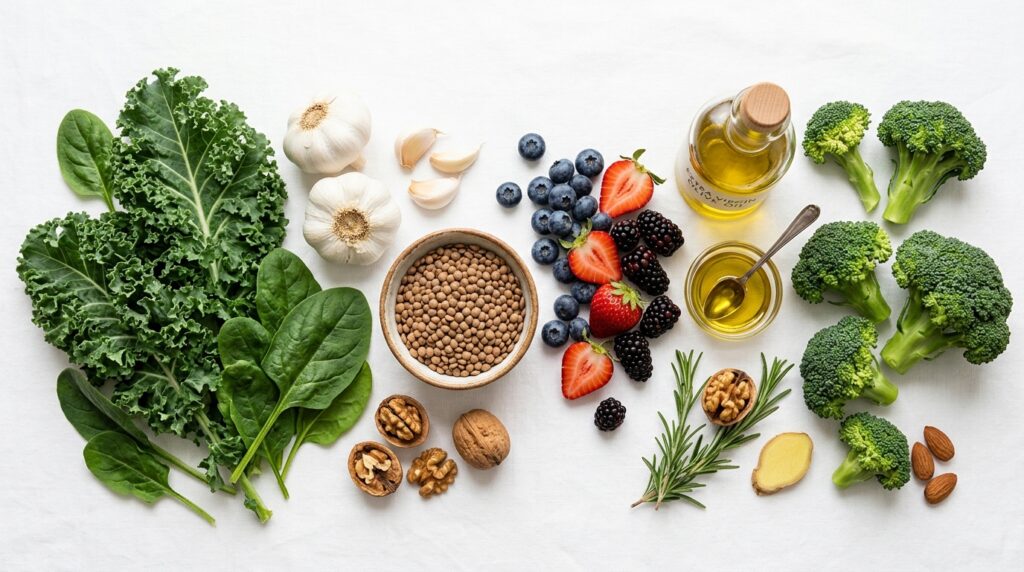
The foods that fight arthritis pain work through multiple pathways — reducing inflammatory signaling, protecting cartilage, supporting gut health, and providing essential nutrients for joint repair. Fatty fish, olive oil, berries, and turmeric are among the most evidence-supported options, but the overall dietary pattern matters most. A diet consistently rich in whole, plant-forward, omega-3-rich foods will produce better results over time than any single superfood. Start adding two or three of these foods to your routine this week and build from there.
Frequently Asked Questions
Is there a specific diet recommended for arthritis? The Mediterranean diet is the most widely studied and recommended dietary pattern for arthritis management. It emphasizes olive oil, fatty fish, vegetables, legumes, nuts, and whole grains — all of which have anti-inflammatory properties. This pattern aligns closely with most clinical recommendations for both rheumatoid arthritis and osteoarthritis.
Are nightshade vegetables bad for arthritis? The idea that nightshades like tomatoes, peppers, and eggplant worsen arthritis is a common belief, but it is not well supported by scientific evidence. Most research does not find a negative effect of nightshades on arthritis outcomes, and these vegetables provide valuable antioxidants and nutrients. However, individual sensitivities vary, so it may be worth testing your personal response.
Can losing weight reduce arthritis pain? Yes, significantly. Excess body weight places additional mechanical stress on weight-bearing joints, particularly the knees and hips. Losing even a modest amount of weight can reduce joint pain and slow the progression of osteoarthritis. Diet changes that help manage arthritis inflammation often support weight management at the same time, creating a compounding benefit.