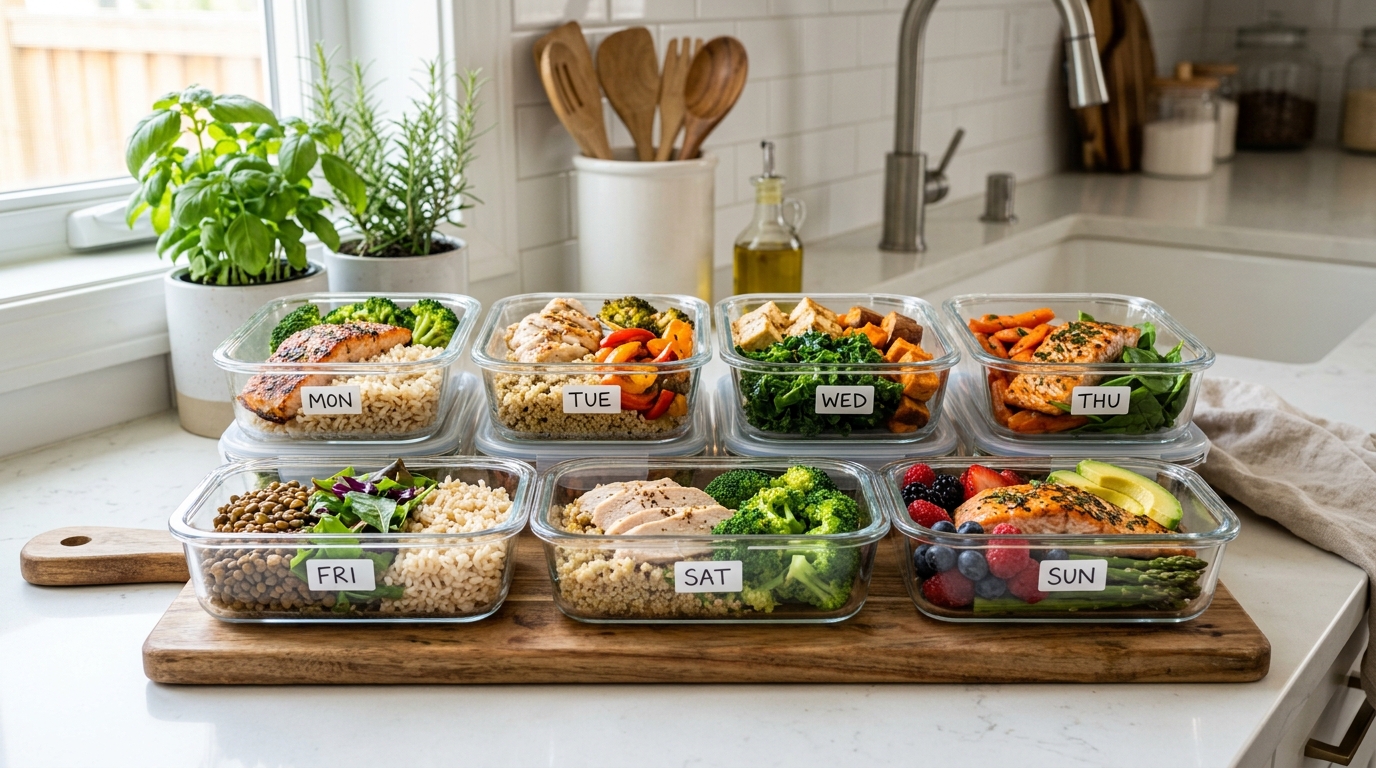
Knowing which foods fight inflammation is one thing. Putting them together into a realistic, enjoyable daily eating routine is another. That is where a structured anti-inflammatory meal plan becomes genuinely useful. Rather than making individual food decisions under pressure every day, a weekly plan gives you a clear framework to work with — reducing decision fatigue and making it far easier to stay consistent.
This 7-day anti-inflammatory meal plan is designed for real people with real lives. It does not require rare ingredients or hours in the kitchen. Each day combines scientifically supported anti-inflammatory foods in balanced, satisfying meals that will keep your energy stable and your body’s inflammatory responses in check.
Why Following a Meal Plan Helps
One of the biggest barriers to eating well consistently is not knowledge — it is planning. When there is no plan, convenience foods and old habits fill the gap. A weekly meal plan removes that gap entirely. You know what to buy, what to prepare, and what to eat. Over the course of a week, you will naturally consume a broad spectrum of anti-inflammatory compounds from diverse food sources, which is more effective than repeating the same two or three meals daily.
Research on dietary adherence shows that people who follow structured meal plans have significantly better nutritional outcomes than those who make unguided daily food choices. The structure also creates momentum — by day three or four, the new eating patterns start to feel natural.
7-Day Anti-Inflammatory Meal Plan
Day 1: Starting Strong
Breakfast: Oatmeal with fresh blueberries, a drizzle of honey, and a tablespoon of ground flaxseed. A cup of green tea on the side. Lunch: Large mixed greens salad with grilled salmon, cherry tomatoes, cucumber, avocado, and olive oil and lemon dressing. Dinner: Baked turmeric chicken thighs with roasted broccoli and a side of brown rice. Season generously with garlic and black pepper.
Day 2: Plant Power
Breakfast: Smoothie with frozen mixed berries, banana, a handful of spinach, almond milk, and a teaspoon of chia seeds. Lunch: Lentil soup with carrots, celery, garlic, and cumin. Served with a slice of whole grain bread. Dinner: Stir-fried tofu with broccoli, red bell peppers, ginger, and garlic over quinoa with a sesame-ginger sauce.
Day 3: Omega-3 Focus
Breakfast: Whole grain toast with mashed avocado, a sprinkle of red pepper flakes, and two poached eggs. Lunch: Sardine and arugula salad with capers, red onion, olive oil, and lemon juice on a bed of mixed greens. Dinner: Baked salmon fillet with a walnut and herb crust, served with steamed asparagus and a small serving of sweet potato.
For more ideas on how to build an anti-inflammatory plate, check out our detailed guide on anti-inflammatory diet for beginners, which walks through the key principles behind these food choices.
Day 4: Mediterranean Inspiration
Breakfast: Greek yogurt with sliced strawberries, a handful of walnuts, and a drizzle of raw honey. Lunch: Hummus wrap with spinach, roasted red peppers, cucumber, and falafel in a whole wheat tortilla. Dinner: One-pan Mediterranean baked cod with cherry tomatoes, olives, garlic, and fresh herbs over a bed of quinoa.
Day 5: Gut-Friendly Day
Breakfast: Overnight oats soaked in kefir with blueberries, pumpkin seeds, and a sprinkle of cinnamon. Lunch: Miso soup with tofu, wakame seaweed, and green onions. Served with a side of edamame and brown rice. Dinner: Turkey and vegetable stew with sweet potatoes, kale, garlic, and ginger. Serve with crusty whole grain bread.

Day 6: Colorful Plates
Breakfast: Egg scramble with sautéed spinach, cherry tomatoes, mushrooms, and turmeric. Served with a small side of sliced avocado. Lunch: Rainbow buddha bowl with roasted beets, shredded purple cabbage, chickpeas, quinoa, and a tahini-lemon dressing. Dinner: Grilled mackerel with a side of steamed bok choy in garlic and ginger sauce, and a serving of mixed whole grain rice.
Day 7: Easy and Satisfying
Breakfast: Mixed berry smoothie bowl with granola, hemp seeds, and sliced banana. Lunch: White bean and vegetable soup with kale, tomatoes, garlic, and rosemary. Served with olive oil drizzled over the top. Dinner: Sheet pan dinner with chicken thighs, broccoli, cauliflower, and red onion, seasoned with olive oil, turmeric, cumin, and garlic. Roast everything together for a simple, satisfying meal.
Snacks Throughout the Week
Keep these ready for snacking between meals: a small handful of mixed nuts, apple slices with almond butter, carrot and celery sticks with hummus, a small bowl of tart cherries, or a square of dark chocolate (70% cacao or higher).

Conclusion
This 7-day anti-inflammatory meal plan gives you a practical, enjoyable framework for eating in a way that actively supports your health. Notice how the same key ingredients — fatty fish, olive oil, berries, leafy greens, turmeric, and whole grains — appear repeatedly across different meals. That repetition is intentional. Consistency with these core foods is what produces real, measurable reductions in chronic inflammation over time. Use this plan as a starting point and adapt it to your own preferences. The more you cook these foods regularly, the more intuitive anti-inflammatory eating will become.
Frequently Asked Questions
Can I repeat meals throughout the week to make shopping easier? Absolutely. The meal plan above is a guide, not a rigid prescription. Repeating meals you enjoy and find easy to prepare is a completely valid strategy. The important thing is that your overall weekly diet includes a good variety of anti-inflammatory foods — the specific arrangement of meals matters less than the overall pattern.
How do I handle eating out while following an anti-inflammatory meal plan? When eating out, look for grilled or baked fish, salads with olive oil dressing, vegetable-heavy dishes, and grain bowls. Avoid deep-fried foods, dishes heavy in refined sauces, and sugary desserts. Most restaurants can accommodate simple substitutions like swapping fries for a salad or asking for olive oil instead of butter.
Is this meal plan suitable for people with autoimmune conditions? This meal plan is based on general anti-inflammatory dietary principles and is appropriate for most adults. However, people with specific autoimmune conditions like rheumatoid arthritis, lupus, or inflammatory bowel disease may have additional dietary considerations. It is always advisable to consult a registered dietitian or physician before making major dietary changes if you have a diagnosed autoimmune condition.