Introduction
Improving your diet is as much about what you remove as it is about what you add. Certain foods are so consistently associated with negative health outcomes — weight gain, inflammation, blood sugar instability, and chronic disease — that reducing or eliminating them has a measurable impact on wellbeing.
This guide covers the key foods to cut out for a healthier diet, explains why each is problematic, and offers practical alternatives so you are never left without a satisfying substitute.
Why Removing Certain Foods Matters
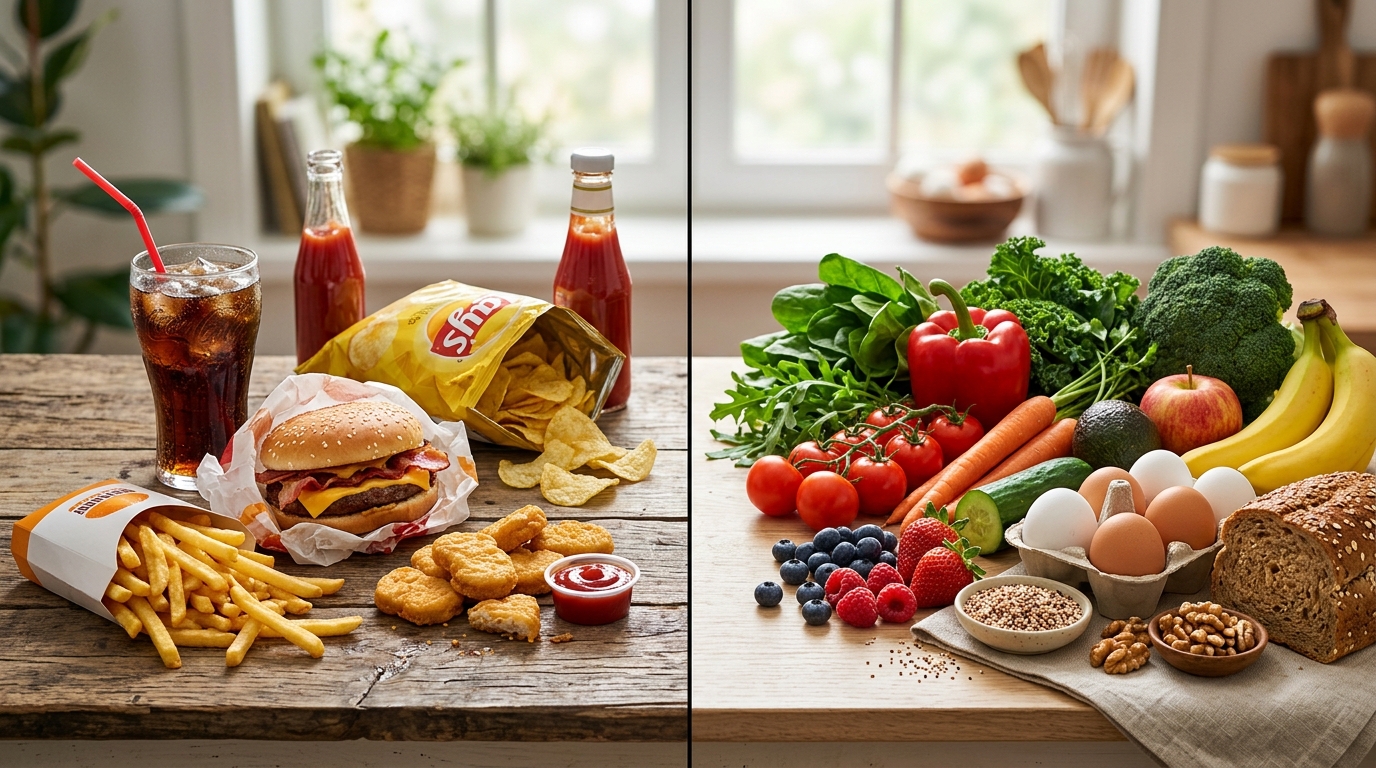
The modern food environment is filled with products engineered for maximum palatability and minimum nutritional value. These ultra-processed items are easy to overeat, low in satiety-promoting nutrients like protein and fiber, and high in ingredients that promote inflammation and metabolic dysfunction.
The goal is not to create an exhaustive list of forbidden foods, but to identify the biggest dietary offenders so you can make informed decisions about what to prioritize cutting back on.
Foods to Cut Out for a Healthier Diet
1. Sugary Beverages
Sodas, energy drinks, sweetened coffees, and fruit juices with added sugar are among the most harmful components of the modern diet. They deliver large amounts of rapidly absorbed sugar with no fiber to slow absorption, causing blood sugar spikes followed by crashes. Regular consumption is strongly linked to weight gain, insulin resistance, and increased risk of type 2 diabetes. Replacing these with water, sparkling water, or unsweetened herbal tea is one of the highest-impact changes you can make.
2. Refined White Bread and Pastries
White bread, croissants, bagels, and most commercially produced pastries are made from refined flour that has been stripped of its fiber and most of its nutrients. They digest quickly, spike blood sugar, and provide little lasting fullness. Switching to whole grain bread, sourdough made from whole wheat, or whole grain crackers delivers fiber, B vitamins, and more sustained energy per serving.
3. Processed Meats
Bacon, hot dogs, deli meats, and sausages are classified as Group 1 carcinogens by the World Health Organization, meaning there is sufficient evidence linking them to increased cancer risk, particularly colorectal cancer. They are also high in sodium, saturated fat, and preservatives. These should be treated as occasional indulgences rather than daily staples. Fresh poultry, fish, or legumes are far healthier protein alternatives.
4. Fried Foods
Commercially fried foods — french fries, fried chicken, onion rings — are cooked in oils that are often reused at high temperatures, generating harmful compounds like acrylamide and trans fats. The combination of high fat, high salt, and engineered crunchiness makes them easy to overeat. Air frying, oven roasting, or pan-searing with a small amount of olive oil produces similar textures with far fewer downsides.
5. Sugary Breakfast Cereals
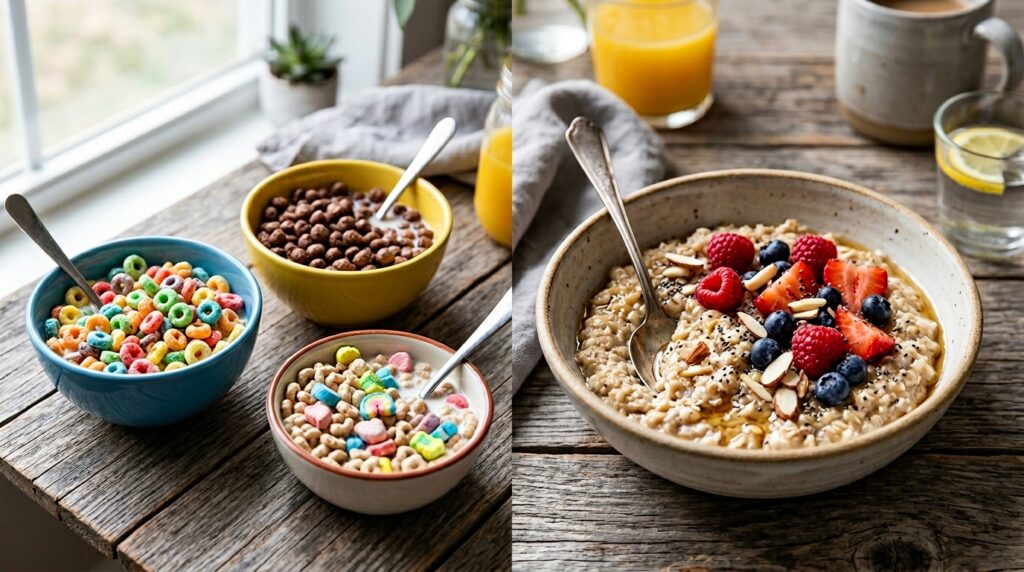
Many popular breakfast cereals — especially those marketed to children — contain more sugar per serving than a candy bar. Despite health-related claims on their packaging, they are typically low in protein and fiber while being high in refined carbohydrates. Replacing sugary cereals with oatmeal, plain Greek yogurt, or eggs gives you a breakfast that actually supports energy and satiety.
Cutting back on inflammatory foods like refined grains and processed meats is also a key principle behind anti-inflammatory eating. If you are curious about what to eat more of, our article on foods that reduce inflammation naturally offers a useful counterpart to this guide.
6. Packaged Snack Foods
Chips, cookies, crackers, and similar packaged snacks are designed to be hyper-palatable, meaning they bypass normal satiety signals and make it easy to consume far more than intended. They are typically high in refined carbohydrates, sodium, and unhealthy fats while being low in fiber and protein. Replacing these with nuts, seeds, fruit, or hummus with vegetables satisfies snack cravings with actual nutritional benefit.
7. Margarine and Partially Hydrogenated Oils
Some forms of margarine and many commercially produced baked goods still contain partially hydrogenated vegetable oils, which are sources of artificial trans fats. Trans fats raise LDL cholesterol, lower HDL cholesterol, and are directly associated with increased cardiovascular risk. Check ingredient labels and avoid anything that lists partially hydrogenated oil. Extra virgin olive oil, avocado oil, or grass-fed butter are much better alternatives.
8. Flavored Yogurts With High Sugar Content
Yogurt is often perceived as a healthy food, but many commercial flavored yogurts contain as much sugar as a dessert. The beneficial probiotics are present, but they are accompanied by significant amounts of added sugar that undermine the health benefits. Choose plain Greek yogurt and add fresh fruit, a drizzle of honey, or a sprinkle of granola if you want sweetness and control.
9. Fast Food
Most fast food is engineered to be cheap, calorie-dense, and highly palatable. It is typically high in refined carbohydrates, sodium, saturated fat, and calories, while being low in fiber, vitamins, and minerals. Occasional fast food consumption is not a crisis, but habitual reliance on it is strongly associated with obesity, cardiovascular disease, and poor dietary quality overall. Meal prepping is the most effective strategy for reducing fast food dependence.
10. Alcohol in Excess
While moderate red wine consumption has been associated with some cardiovascular benefits in certain studies, alcohol in general is a source of empty calories, disrupts sleep quality, impairs judgment around food choices, and in excess is toxic to the liver. Reducing alcohol consumption — or eliminating it — is one of the most impactful decisions for long-term health, particularly for liver and brain function.
Conclusion
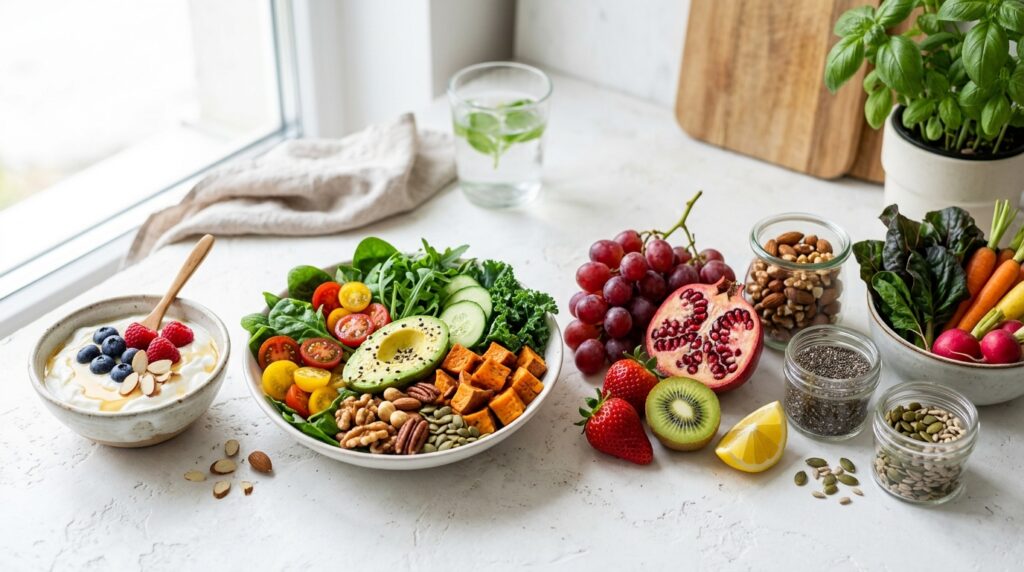
Cutting back on sugary beverages, processed meats, refined grains, and ultra-processed snacks is not about achieving dietary perfection. It is about identifying the foods that do the most damage and systematically replacing them with better alternatives. Each food you remove from your regular rotation creates space for a more nutritious option. Small changes, made consistently, add up to a significantly healthier diet over time.
Frequently Asked Questions
What is the single worst food to cut out for better health? Sugary beverages are widely considered the most impactful food category to reduce. They deliver large amounts of sugar with no nutritional benefit and are strongly linked to obesity, type 2 diabetes, and cardiovascular disease.
Can I still eat these foods occasionally? Yes. Occasional consumption of foods like fried chicken or sweets does not significantly harm health for most people. The issue arises from frequent, habitual consumption. The goal is to reduce reliance on these foods, not achieve perfect elimination.
How do I handle cravings when cutting out unhealthy foods? Cravings typically diminish over two to four weeks as your palate adjusts and blood sugar becomes more stable. In the short term, replacing processed snacks with fiber and protein-rich alternatives helps reduce the intensity of cravings.
Related Articles