Introduction
One of the most common reasons people give for not eating healthily is cost. Fresh produce, organic options, and specialty health foods can seem expensive, especially when fast food and processed snacks are promoted at low prices in nearly every store.
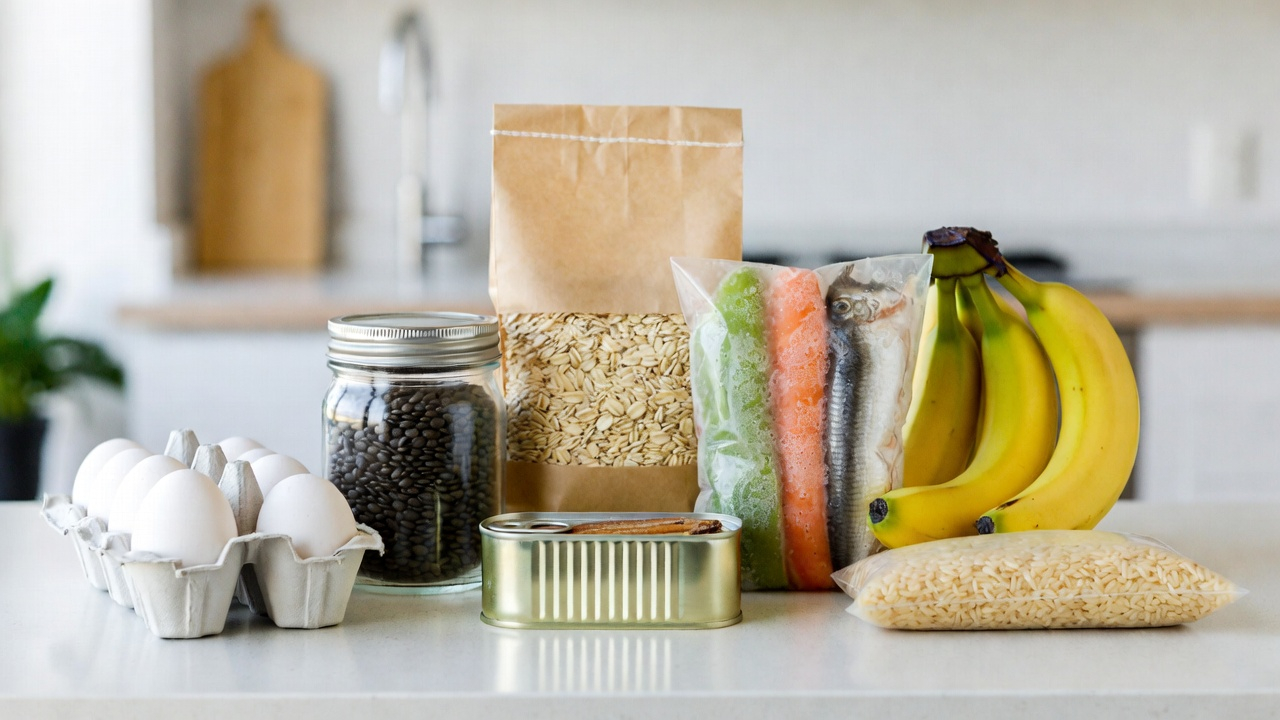
But the assumption that healthy eating is inherently expensive is largely a myth. Some of the most nutritious foods in the world — eggs, lentils, oats, canned fish, frozen vegetables, and bananas — are also among the most affordable. The challenge is knowing which foods offer the best nutritional value for the lowest cost, and building a practical approach around them.
This guide covers practical strategies and the best affordable foods for eating healthily on a budget without compromising nutrition.
Why Healthy Eating on a Budget Is More Achievable Than You Think
The perception that healthy food is expensive is driven largely by the marketing of premium health products — protein powders, exotic superfoods, organic everything, and trendy supplements. These products are not necessary for good health.
Whole foods in their basic forms — dried beans, oats, eggs, seasonal vegetables, frozen fruit, and canned fish — are nutritionally dense and cost very little per serving. Studies examining the cost of healthy versus unhealthy diets find that the price difference per day is often less than $1.50 when meals are planned and prepared at home.
The real cost driver is not food quality — it is convenience foods, restaurant meals, and waste from poor planning.
Healthy Eating on a Budget: Best Tips and Foods
1. Build Your Diet Around Legumes
Legumes — lentils, chickpeas, black beans, kidney beans, and split peas — are the single best value food in the grocery store from a nutritional perspective. A bag of dried lentils or a can of chickpeas costs very little yet provides substantial amounts of plant-based protein, dietary fiber, iron, folate, and complex carbohydrates.
Replacing one or two meat-based meals per week with legume-based dishes is one of the most effective strategies for reducing grocery costs while simultaneously improving the nutritional quality of your diet. Lentil soup, bean chili, and chickpea curry are satisfying, inexpensive, and highly nutritious.
2. Choose Eggs as Your Primary Protein Source
Eggs are consistently the most cost-effective source of complete, high-quality protein available. A dozen eggs provides twelve servings of protein along with vitamins B12 and D, choline, and selenium — all at a fraction of the cost of meat or fish.
Including eggs in breakfast, lunch, or dinner multiple times per week is a budget-friendly habit that does not compromise nutrition. Scrambled eggs with vegetables, hard-boiled eggs as snacks, and egg-based dinner bowls are all affordable, quick, and nutritionally sound.
3. Prioritize Frozen Vegetables and Fruits
Fresh produce is often cited as expensive, but frozen vegetables and fruits are equally nutritious — and frequently cheaper. Vegetables are frozen at peak ripeness, which preserves their vitamins and minerals as effectively as fresh alternatives in most cases.
Frozen spinach, broccoli, mixed vegetables, edamame, and peas are all available at low cost and can be stored for months without waste. Frozen berries — blueberries, strawberries, raspberries — provide the same antioxidant benefits as fresh at a fraction of the price. Switching to frozen for produce that is not in season can significantly reduce grocery spending.
4. Buy Whole Grains in Bulk
Oats, brown rice, quinoa, and barley are all significantly cheaper when purchased in larger quantities. Oats in particular represent exceptional value — a large container of plain rolled oats provides dozens of nutritious, filling breakfasts at minimal cost.
Cooking whole grains in batches and refrigerating or freezing portions for the week reduces both food waste and preparation time. Brown rice cooked in large batches can serve as the base for multiple meals — grain bowls, stir-fries, or side dishes — throughout the week.
5. Use Canned Fish as an Affordable Omega-3 Source
Fresh salmon and tuna can be expensive, but canned versions offer nearly identical nutritional profiles at much lower cost. Canned sardines, tuna, salmon, and mackerel are all rich in omega-3 fatty acids, protein, and vitamins D and B12.
Sardines in particular are one of the most nutritionally impressive and affordable foods available, providing omega-3s, calcium (from edible bones), and a wide range of micronutrients. Canned fish also has an extended shelf life, making it a practical pantry staple for budget-conscious healthy eating.
If you’re looking for more ideas on building your diet effectively, our guide on how to start a healthy diet for beginners offers additional practical strategies.

6. Shop Seasonal Produce
Fruits and vegetables that are in season are significantly cheaper than those out of season, simply because supply is higher and transportation costs are lower. Apples in autumn, berries in summer, squash in winter, and tomatoes in late summer all cost noticeably less when locally in season.
Learning the seasonal availability of produce in your region and building meals around what is currently in season is one of the most effective and sustainable ways to eat fresh produce affordably. Farmers markets and discount grocery stores often offer seasonal produce at even lower prices than major supermarkets.
7. Plan Meals Before Shopping
Grocery shopping without a plan is one of the primary causes of both overspending and food waste. Without a specific list, it is easy to buy items that seem appealing in the moment but go unused — and eventually wasted.
Spending fifteen minutes each week planning meals and writing a specific grocery list before shopping reduces impulse purchases, ensures ingredients are fully used, and dramatically cuts food waste. Even a simple weekly plan of five to seven meals using overlapping ingredients — such as cooking one batch of brown rice that serves as the base for three different meals — can reduce weekly grocery spending significantly.
8. Cook at Home and Reduce Takeout
The cost comparison between home-cooked meals and restaurant or takeout food is stark. A home-cooked meal using quality whole food ingredients typically costs two to five dollars per serving. The equivalent meal ordered from a restaurant costs three to five times more on average.
Even cooking at home just three to four days per week and reducing reliance on takeout creates meaningful savings that can be redirected toward higher-quality ingredients or a larger variety of whole foods.
9. Buy Store Brands Over Premium Labels
Most store-brand grocery items — oats, canned beans, frozen vegetables, olive oil, eggs, and whole wheat pasta — are identical or near-identical in nutritional quality to premium branded versions. The price difference is often twenty to forty percent simply due to branding and marketing.
Switching to store-brand staples across your regular grocery list can reduce spending noticeably without any change in nutritional outcomes. This is especially true for pantry staples that are ingredients rather than finished products.
10. Reduce Meat Frequency, Not Quality
Meat, especially high-quality cuts, is one of the most expensive items in a typical grocery cart. Rather than buying low-quality, heavily processed meat products that offer poor nutritional value, a better budget strategy is to reduce meat frequency while maintaining quality when you do buy it.
Replacing two to three meat-based meals per week with plant-based protein sources such as lentils, eggs, tofu, or canned fish reduces cost while often improving overall dietary quality. When you do choose meat, chicken thighs, ground turkey, and canned fish represent the best balance of quality and affordability.
Conclusion
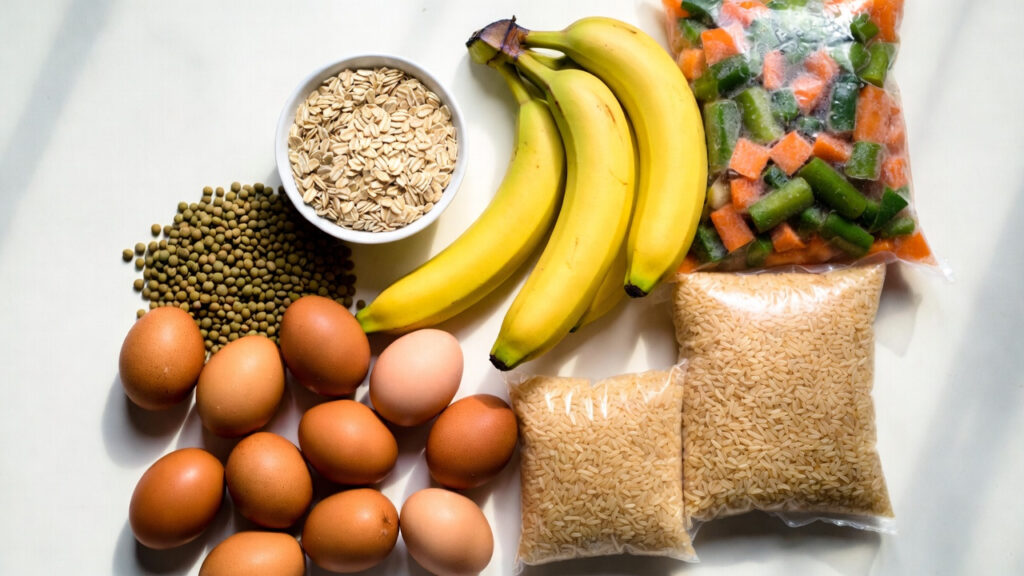
Healthy eating on a budget is entirely achievable with the right strategies and food choices. Building meals around legumes, eggs, frozen vegetables, whole grains, and canned fish provides outstanding nutrition at minimal cost. Planning meals before shopping, cooking at home, buying seasonal produce, and choosing store-brand staples all reduce spending without sacrificing quality.
The most important shift is recognizing that a healthy diet does not depend on expensive products — it depends on consistent choices from a core group of affordable, nutrient-dense whole foods. With some planning and the right information, eating well costs less than most people assume.
Frequently Asked Questions
What are the cheapest healthy foods to buy? Eggs, lentils, dried beans, oats, brown rice, frozen vegetables, frozen berries, canned fish, bananas, and sweet potatoes are among the most affordable and nutritious foods available at most grocery stores.
How can I eat healthy on $50 per week? Focusing on plant-based protein from legumes, whole grains, eggs, frozen produce, and seasonal vegetables makes it very achievable to eat nutritiously for around $50 per week for one person. Meal planning, batch cooking, and avoiding packaged convenience foods are the most effective strategies.
Is frozen food as healthy as fresh? In most cases, yes. Frozen vegetables and fruits are harvested at peak ripeness and flash-frozen immediately, which preserves the majority of their vitamins and minerals. For produce that will be cooked rather than eaten raw, frozen options are often as nutritious as fresh and significantly less expensive.