Introduction
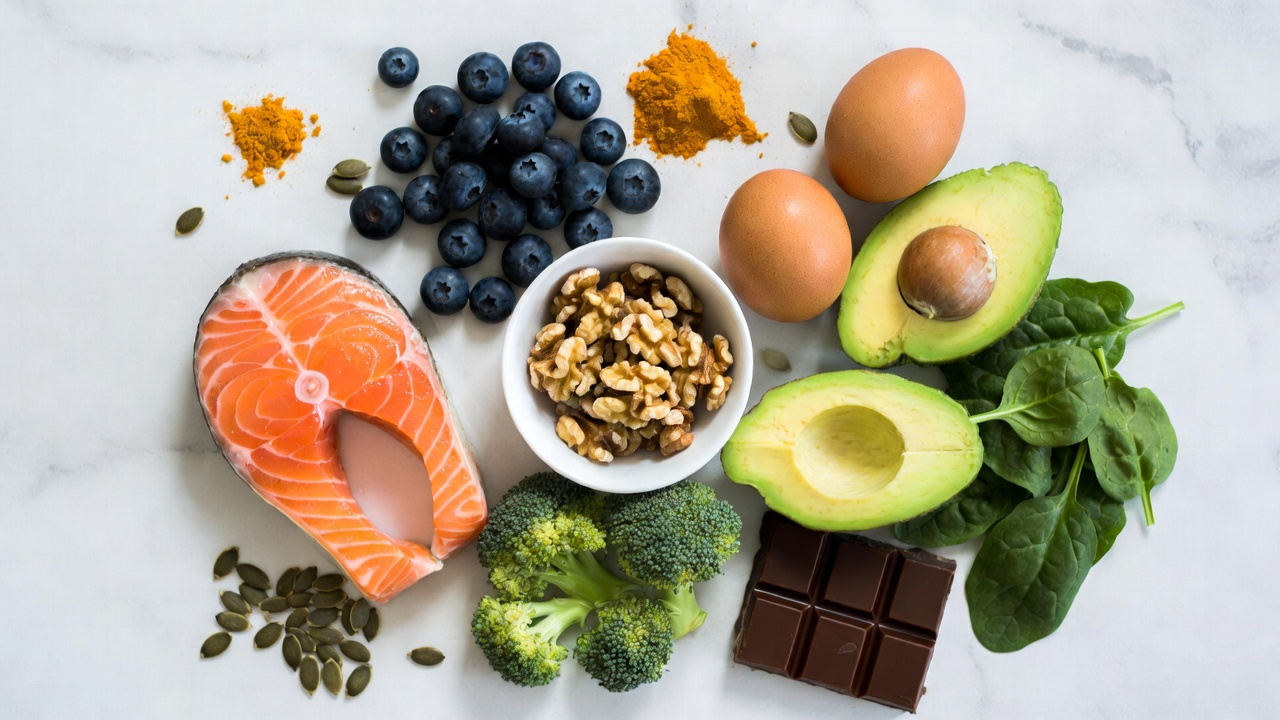
Some foods are considered the best foods for brain health because they provide nutrients that support memory and cognitive function. What we eat every day has a direct influence on how our body works, and the brain is no exception. The brain needs a constant supply of nutrients to support memory, focus, and overall cognitive performance.
Many studies suggest that certain foods may help support brain function by providing antioxidants, healthy fats, vitamins, and minerals. While no single food can guarantee perfect brain health, building a balanced diet that includes brain-supporting foods may make a meaningful difference over time.
In this article, we’ll explore 10 of the best foods for brain health and why adding them to your daily meals could support better cognitive function.
Why Brain Health Matters
The brain is one of the most energy-demanding organs in the human body. It requires nutrients such as omega-3 fatty acids, antioxidants, and essential vitamins to maintain healthy cells and proper communication between neurons.
Poor nutrition, chronic inflammation, and oxidative stress may negatively affect brain function over time. This is why nutrition researchers often emphasize the importance of whole foods that provide protective compounds for the brain.
By regularly including nutrient-rich foods in your meals, you may help support long-term cognitive health and mental clarity.
10 Best Foods for Brain Health

1 – Fatty Fish
Fatty fish such as salmon, sardines, and mackerel are among the most well-known foods for brain health. These fish are rich in omega-3 fatty acids, particularly DHA and EPA, which are important for brain structure and function.
Omega-3 fats help support the integrity of brain cell membranes and may contribute to better memory and learning ability.
Eating fatty fish two or three times per week is often recommended as part of a brain-supportive diet.
2 – Blueberries
Blueberries are packed with antioxidants that help protect the body from oxidative stress. Oxidative stress can damage cells, including brain cells.
The antioxidants found in blueberries may help support communication between brain cells and may contribute to improved memory and cognitive performance.
Adding blueberries to smoothies, yogurt, or oatmeal is a simple way to include them in your daily routine.
3 – Walnuts
Walnuts are one of the few nuts that contain a significant amount of omega-3 fatty acids. They also provide antioxidants and vitamin E, which are known for supporting brain health.
Research suggests that diets rich in nuts may be associated with improved cognitive function over time.
A small handful of walnuts can make a healthy snack or a great addition to salads and breakfast dishes.
4 – Eggs
Eggs are an excellent source of several nutrients that support brain function. One of the most important nutrients in eggs is choline.
Choline plays a role in producing acetylcholine, a neurotransmitter involved in memory and mood regulation.
Including eggs in your meals may help provide the nutrients needed for healthy brain activity.
5 – Leafy Green Vegetables
Leafy greens such as spinach, kale, and broccoli contain nutrients that may support cognitive health. These vegetables are rich in vitamin K, folate, and antioxidants.
These nutrients may help support brain cell health and reduce inflammation in the body.
Adding leafy greens to salads, smoothies, or cooked dishes can help increase your daily intake.
6 – Pumpkin Seeds
Pumpkin seeds may be small, but they contain a powerful combination of nutrients. They are rich in magnesium, iron, zinc, and copper.
These minerals are important for nerve signaling and overall brain function.
Sprinkling pumpkin seeds on salads, yogurt, or oatmeal can be an easy way to include them in your diet.
7 – Turmeric
Turmeric contains an active compound called curcumin, which has been widely studied for its antioxidant and anti-inflammatory properties.
Curcumin may help support brain health by helping reduce inflammation and supporting the growth of new brain cells.
Turmeric can be added to soups, rice dishes, or warm beverages like turmeric tea.
8 – Broccoli
Broccoli is another nutrient-dense vegetable that supports brain health. It contains powerful antioxidants and vitamin K.
Vitamin K plays a role in the formation of certain fats that are important for brain cells.
Regularly eating cruciferous vegetables like broccoli may contribute to long-term brain health.
9 – Dark Chocolate
Dark chocolate contains flavonoids, caffeine, and antioxidants. These compounds may help support brain function and improve mood.
Flavonoids may help increase blood flow to the brain, which may contribute to improved concentration and cognitive performance.
Choosing dark chocolate with a high cocoa content provides more beneficial compounds.
10 – Avocados
Avocados are rich in healthy monounsaturated fats, which support healthy blood flow. Good circulation is important for delivering oxygen and nutrients to the brain.
They also provide vitamin K and folate, which may support cognitive health.
Avocados can be added to salads, toast, or smoothies as part of a balanced diet.

Conclusion
Supporting brain health does not rely on a single “superfood.” Instead, it comes from building a balanced and nutrient-rich diet over time.
Foods such as fatty fish, berries, leafy greens, nuts, and healthy fats can all contribute valuable nutrients that support brain function.
By including a variety of these foods in your meals, you can take a simple but meaningful step toward supporting long-term cognitive health.