Introduction
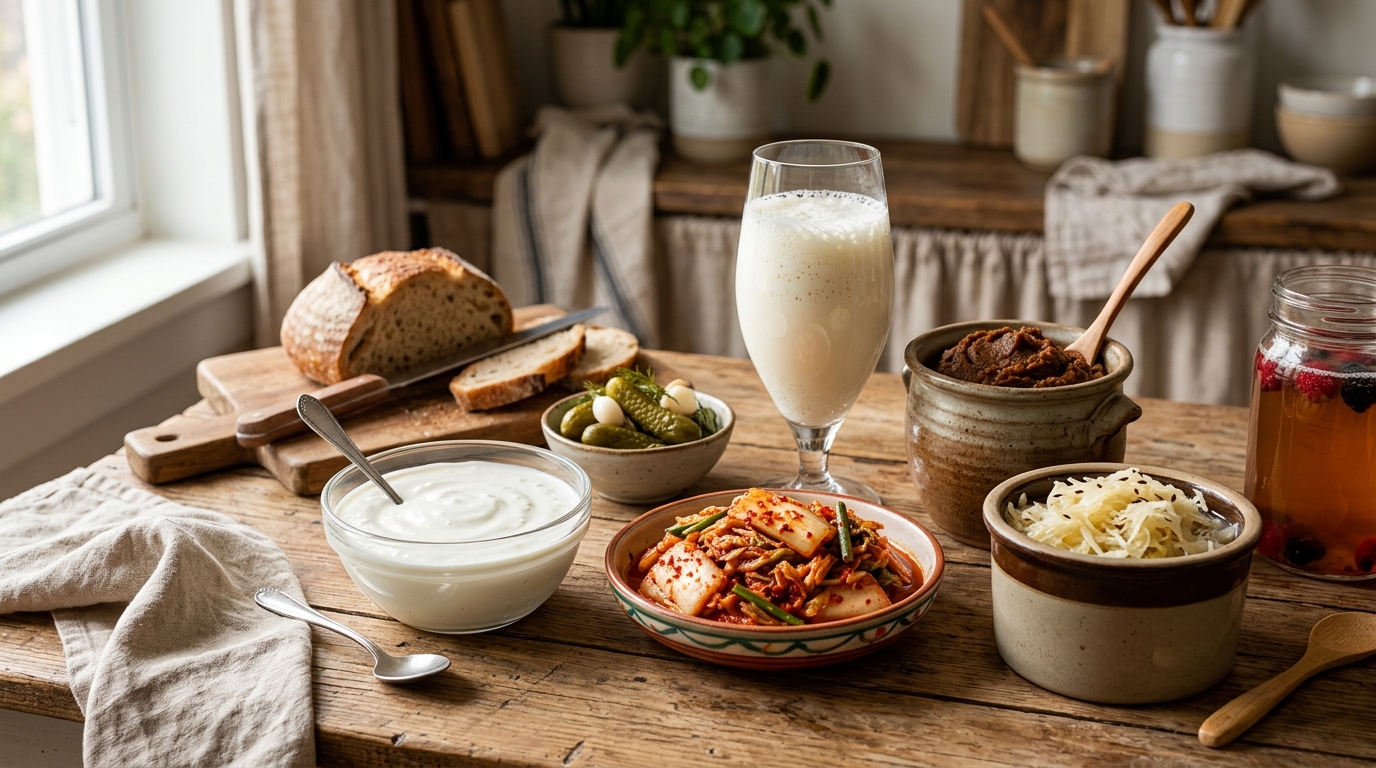
Fermented foods have been part of human diets for thousands of years, valued across cultures for their rich flavors and remarkable ability to preserve food. Today, modern nutrition science is confirming what traditional cultures understood intuitively: fermented foods are among the most beneficial things you can eat for the health of your gut.
The fermentation process involves the action of microorganisms — bacteria, yeast, or fungi — that break down sugars and starches in food, producing beneficial compounds including lactic acid, enzymes, vitamins, and most importantly, live probiotic bacteria. When consumed regularly, these bacteria populate the gut and contribute to a more diverse, resilient microbiome.
This guide covers the best fermented foods for gut health, explaining what makes each one valuable and how to incorporate them into your daily diet.
Why Fermented Foods Support Gut Health
A 2021 study published in the journal Cell demonstrated that a diet high in fermented foods over ten weeks significantly increased microbiome diversity and reduced markers of immune activation — two key measures of gut health. Participants who ate the most fermented foods saw the greatest improvements, suggesting a dose-dependent benefit.
Diversity in the gut microbiome is associated with better metabolic health, stronger immunity, lower inflammation, and reduced risk of chronic diseases. Fermented foods represent one of the most direct dietary pathways to improving this diversity because they deliver live microorganisms directly into the digestive tract.
1. Yogurt
Plain, unsweetened yogurt made from live active cultures is one of the most accessible and well-researched fermented foods for gut health. It is rich in Lactobacillus and Bifidobacterium species — two bacterial genera with strong evidence for digestive and immune benefits.
Regular yogurt consumption has been associated with reduced incidence of antibiotic-associated diarrhea, improved lactose digestion, and lower levels of inflammatory markers. When choosing yogurt, look for labels that specifically state “live and active cultures” and avoid varieties with added sugars or artificial flavors, which can counteract the probiotic benefits.
2. Kefir
Kefir is a fermented milk drink made by adding kefir grains — a symbiotic culture of bacteria and yeasts — to cow’s or goat’s milk. It contains a significantly higher concentration and variety of probiotic organisms than standard yogurt, making it one of the most potent probiotic foods available.
Research has shown that kefir can improve lactose digestion, reduce cholesterol levels, have antimicrobial properties, and support the immune system. Because the fermentation process breaks down most of the lactose in the milk, many people who are lactose-intolerant can tolerate kefir without discomfort. Water kefir provides a dairy-free alternative with similar microbial benefits.
3. Kimchi
Kimchi is a traditional Korean fermented vegetable dish typically made from napa cabbage, radish, garlic, ginger, and chili pepper. It is fermented by naturally occurring lactic acid bacteria and is one of the most microbiologically diverse fermented foods available.
Studies have linked kimchi consumption to improvements in gut microbiome composition, reduced body weight, better cholesterol levels, and lower inflammatory markers. Beyond its probiotic content, kimchi also provides prebiotic fiber from the vegetables, making it doubly beneficial for gut health. Its bold, tangy flavor makes it a versatile condiment that can be served alongside rice, eggs, noodles, or grilled proteins.
4. Sauerkraut
Sauerkraut — finely shredded cabbage fermented in its own brine — is one of the oldest and most widely consumed fermented foods in the world. Like kimchi, it is produced through lacto-fermentation and is rich in Lactobacillus bacteria.
In addition to its probiotic content, sauerkraut provides vitamin C, vitamin K2, and a range of digestive enzymes that support efficient food breakdown. For maximum probiotic benefit, choose raw, unpasteurized sauerkraut sold in the refrigerated section of stores, as the high-heat pasteurization process used for shelf-stable versions destroys most of the live bacteria.
5. Miso
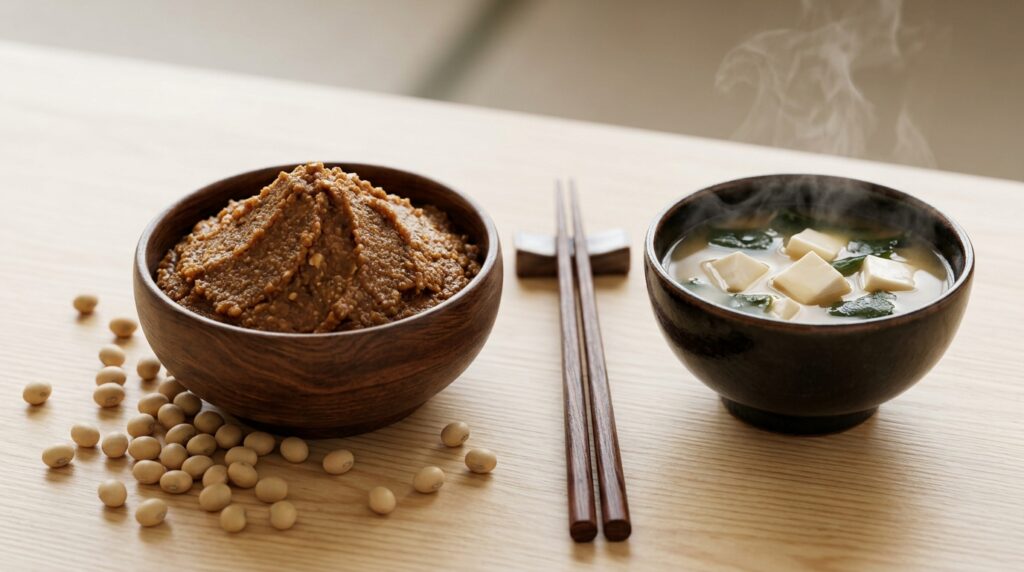
Miso is a traditional Japanese seasoning produced by fermenting soybeans with salt and a mold called koji (Aspergillus oryzae). It is a rich source of probiotics, protein, and a wide range of vitamins and minerals including vitamins B12, E, and K, as well as manganese and zinc.
Miso has been studied for its potential to support gut health, improve immunity, and reduce the risk of certain chronic diseases. To preserve the live cultures in miso, it should be dissolved in warm — not boiling — water when making soups or sauces, as excessive heat destroys the beneficial microorganisms.
If you are incorporating more fermented foods into your diet as part of a broader gut-healing approach, you may also want to read our guide on How to Heal Your Gut Naturally.
6. Tempeh
Tempeh is a fermented soy product originating from Indonesia that is made by binding cooked soybeans into a firm cake using a mold called Rhizopus. Unlike tofu, which is unfermented, tempeh contains live cultures and has undergone a transformation that significantly improves its nutritional profile.
The fermentation process partially breaks down the antinutrients in soybeans — such as phytic acid — making the protein and minerals in tempeh far more bioavailable than those in unfermented soy. Tempeh is also a complete protein and a good source of calcium, iron, and prebiotics. It has a firm, nutty texture that holds up well in stir-fries, grain bowls, and sandwiches.
7. Kombucha
Kombucha is a fermented tea beverage produced by fermenting sweetened tea with a symbiotic culture of bacteria and yeast (SCOBY). It has a pleasantly tart, slightly effervescent taste and is one of the fastest-growing fermented food categories in the global health food market.
While human research on kombucha’s specific health effects is still limited compared to other fermented foods, kombucha does contain organic acids, B vitamins, and probiotic organisms. It is best consumed in small amounts — one cup per day — as its acidity and residual sugar content can cause digestive discomfort in larger quantities. Choose raw, unpasteurized versions for maximum probiotic benefit.
8. Natto
Natto is a traditional Japanese food made from fermented soybeans, known for its distinctive sticky texture and pungent flavor. It is produced by fermenting soybeans with Bacillus subtilis var. natto and is one of the richest known food sources of vitamin K2 — a nutrient crucial for bone density and cardiovascular health.
Natto also contains nattokinase, an enzyme that may support healthy blood clotting and circulation. While its taste can be an acquired one, natto is exceptionally nutritious and is commonly eaten in Japan for breakfast over rice. It is worth trying for those interested in maximizing the diversity of fermented foods in their diet.
9. Kvass
Kvass is a traditional Eastern European fermented beverage made from rye bread. It has a mild, slightly sour flavor and contains a modest amount of probiotic bacteria along with B vitamins and trace minerals.
Beet kvass, a variation made from fermented beets, has gained popularity in natural health circles for its potential liver-cleansing and digestive benefits. While less scientifically studied than yogurt or kefir, kvass represents another avenue for diversifying the fermented foods in your diet.
10. Fermented Pickles
Naturally fermented pickles — made by submerging cucumbers in a saltwater brine and allowing lacto-fermentation to occur — are a crunchy, probiotic-rich snack. It is important to distinguish these from commercially produced vinegar pickles, which are not fermented and do not contain live cultures.
Refrigerated, naturally fermented pickles made without vinegar are rich in Lactobacillus bacteria and can support gut microbiome diversity when eaten regularly. They are low in calories, versatile, and pair well with a wide variety of meals.

Conclusion
Incorporating a variety of the best fermented foods for gut health into your daily diet is one of the most effective evidence-backed strategies for improving microbiome diversity and digestive wellness. From the familiar tanginess of yogurt and sauerkraut to the bold complexity of kimchi and miso, there is a fermented food to suit nearly every palate and lifestyle.
Start with one or two options that appeal to you and build variety over time. Consistency matters more than quantity — even a small daily serving of fermented foods can meaningfully support the health and resilience of your gut microbiome.
Frequently Asked Questions
How often should I eat fermented foods for gut health? Research suggests that daily consumption of fermented foods produces the most consistent benefits for microbiome diversity. Even small servings — such as a cup of yogurt, a few tablespoons of sauerkraut, or a glass of kefir — consumed consistently each day can have a measurable positive impact over several weeks.
Can I eat too many fermented foods? For most people, moderate daily consumption of fermented foods is safe and beneficial. However, introducing large amounts too quickly can cause temporary bloating and digestive discomfort as the gut microbiome adjusts. Starting with small portions and gradually increasing over one to two weeks is the recommended approach.
Are store-bought fermented foods as good as homemade? It depends on the product. The key factor is whether the product is raw and unpasteurized — meaning it still contains live cultures. Many commercially produced fermented foods are pasteurized for shelf stability, which destroys the probiotic bacteria. Look for refrigerated products labeled with “live and active cultures” or “raw” to ensure you are getting the probiotic benefit.