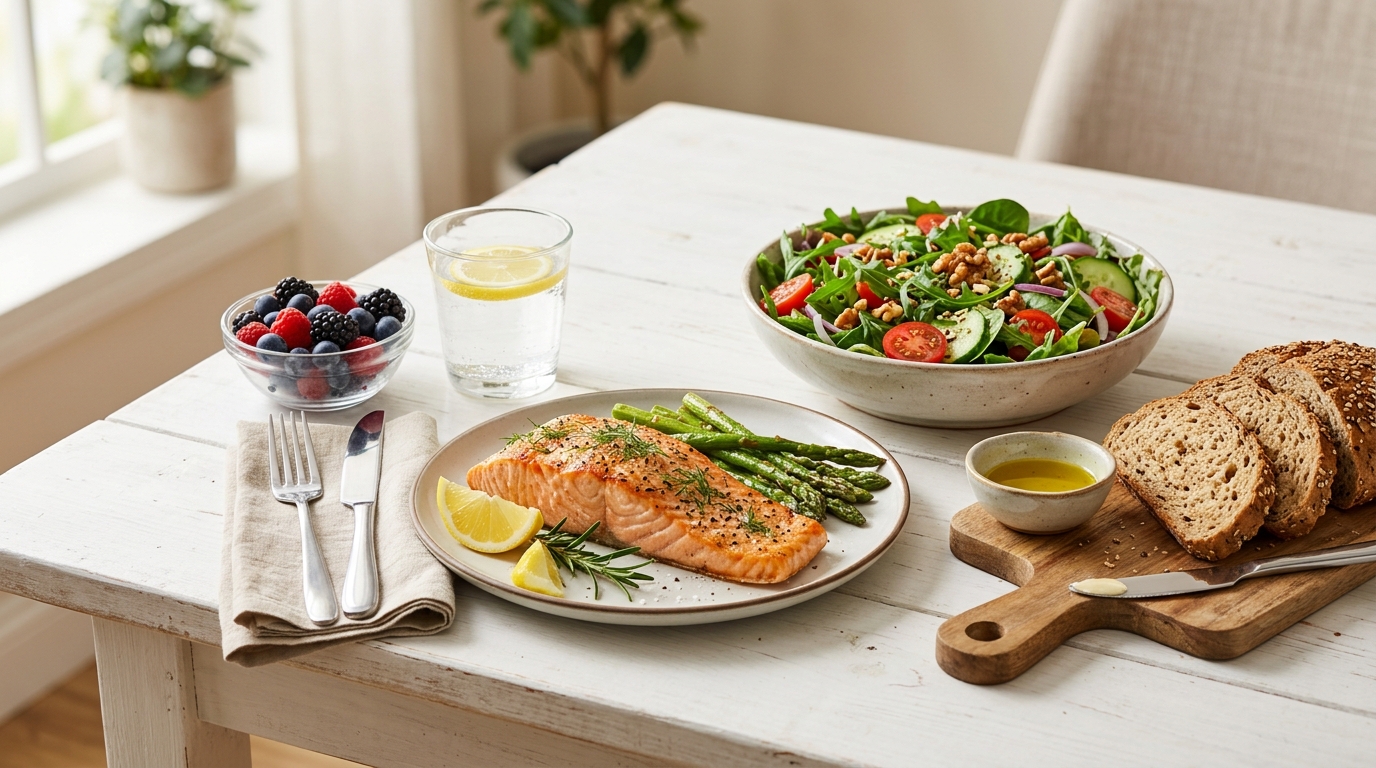
Knowing which foods are good for your heart is one thing — putting them together into a practical, satisfying daily eating pattern is another. A well-structured heart-healthy meal plan removes the guesswork from daily food decisions and ensures that your diet consistently delivers the nutrients your cardiovascular system needs to function at its best.
This seven-day guide is built around foods with proven cardiovascular benefits: leafy greens, fatty fish, whole grains, legumes, healthy fats, fresh fruits, and minimal processed ingredients. It is designed to be realistic and flexible, not a rigid protocol, so use it as a framework you can adapt to your own tastes, schedule, and food availability.
Why a Structured Meal Plan Supports Heart Health
Cardiovascular research consistently shows that overall dietary patterns — not individual superfoods — are what drive long-term heart health outcomes. Having a plan makes it easier to maintain those patterns. Without one, it is easy to default to convenient but less healthy options when hunger strikes or time is short. A seven-day heart-healthy meal plan gives you a template to follow while building the habits and food preparation routines that sustain cardiovascular-protective eating over time.
Heart-Healthy Meal Plan: 7-Day Guide
Day 1 — Monday: Start Strong
Breakfast: Oatmeal topped with blueberries, ground flaxseeds, and a drizzle of honey. Oats provide beta-glucan fiber that lowers LDL cholesterol, while blueberries add antioxidants and flaxseeds contribute ALA omega-3s.
Lunch: Grilled salmon salad with mixed greens, cherry tomatoes, cucumber, olive oil, and lemon dressing. This meal delivers EPA and DHA omega-3s alongside vitamins K and C from the greens.
Dinner: Baked chicken breast with roasted sweet potatoes and steamed broccoli. A balanced, lean protein meal that keeps saturated fat low while providing potassium and fiber.
Snack: A small handful of unsalted almonds and a piece of fresh fruit.
Day 2 — Tuesday: Plant Power
Breakfast: Whole grain toast with mashed avocado, sliced tomatoes, and a sprinkle of pumpkin seeds. The avocado delivers monounsaturated fats and potassium, supporting healthy blood pressure and cholesterol.
Lunch: Lentil soup with carrots, celery, onion, and garlic in a low-sodium vegetable broth. Lentils are high in soluble fiber, plant protein, and folate — all beneficial for cardiovascular health.
Dinner: Stir-fried tofu with brown rice, bok choy, snap peas, and a ginger-sesame sauce. A plant-based meal that replaces animal protein with isoflavone-rich soy and delivers complex carbohydrates from brown rice.
Snack: Plain Greek yogurt with a tablespoon of ground flaxseeds and a handful of raspberries.
Day 3 — Wednesday: Mediterranean Inspiration
Breakfast: A two-egg omelet with spinach, cherry tomatoes, and a small amount of feta cheese, cooked in olive oil.
Lunch: Whole grain pita with hummus, sliced roasted red peppers, cucumber, arugula, and a drizzle of olive oil. This Mediterranean-style meal is high in fiber, healthy fats, and antioxidants.
Dinner: Baked mackerel with herb-roasted vegetables including zucchini, eggplant, and cherry tomatoes, served with quinoa. Mackerel is one of the richest sources of omega-3 fatty acids available.
Snack: A small bowl of mixed berries and a square of dark chocolate.
For more inspiration on how to build meals that specifically protect your cardiovascular system, our guide on foods that reduce the risk of heart disease offers a helpful overview of the most evidence-backed choices.
Day 4 — Thursday: Fiber Focus
Breakfast: Overnight oats prepared with rolled oats, chia seeds, almond milk, sliced banana, and cinnamon. This no-cook breakfast is high in both soluble and insoluble fiber.
Lunch: Black bean and vegetable burrito bowl with brown rice, roasted corn, diced avocado, salsa, and lime juice. Beans are among the best plant-based foods for cholesterol management.
Dinner: Grilled turkey breast with a large green salad dressed in olive oil and red wine vinegar, with sliced walnuts and dried cranberries. Turkey is a lean protein that keeps saturated fat intake low.
Snack: Apple slices with two tablespoons of almond butter.
Day 5 — Friday: Seafood Day
Breakfast: Smoked salmon on whole grain rye bread with sliced cucumber and a squeeze of lemon. A quick, omega-3-rich breakfast that requires no cooking.
Lunch: Sardine and tomato salad over mixed greens with olive oil, capers, and herbs. Sardines are an affordable and sustainable omega-3 powerhouse.
Dinner: Shrimp stir-fry with garlic, ginger, broccoli, red bell peppers, and a low-sodium soy-based sauce, served over quinoa.
Snack: Edamame lightly salted with a glass of green tea.
Day 6 — Saturday: Weekend Refresh
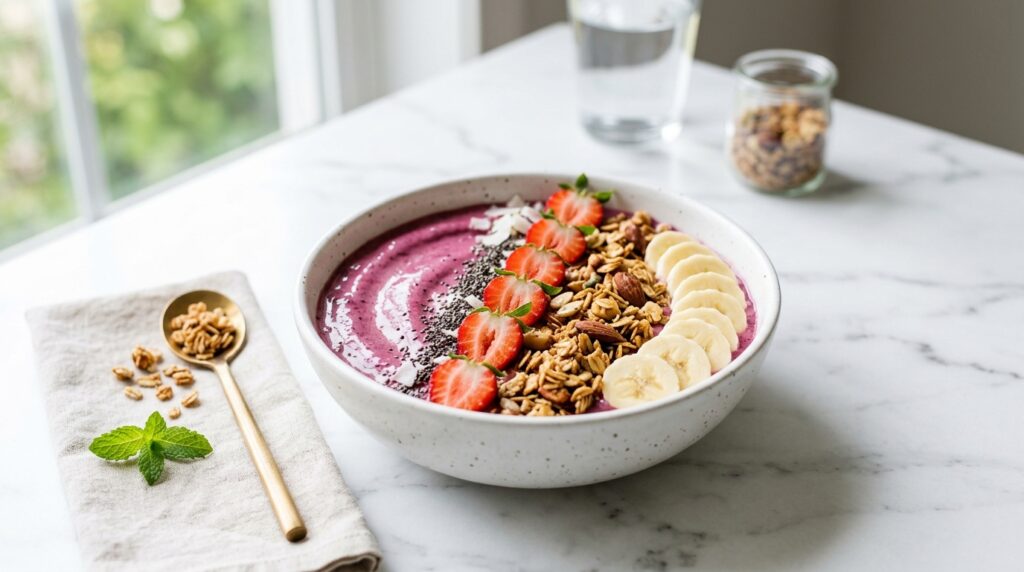
Breakfast: Smoothie made with frozen mixed berries, spinach, Greek yogurt, ground flaxseeds, and a splash of almond milk. A nutrient-dense breakfast that covers multiple food groups in one glass.
Lunch: Homemade vegetable and bean soup using cannellini beans, kale, diced tomatoes, garlic, and herbs in a low-sodium broth.
Dinner: Grilled salmon with a side of roasted asparagus, garlic mashed sweet potatoes, and a simple green salad. A satisfying weekend meal that is deeply heart-supportive.
Snack: Sliced tomatoes with extra virgin olive oil, fresh basil, and a pinch of sea salt.
Day 7 — Sunday: Wind Down and Prepare
Breakfast: Whole grain pancakes topped with fresh strawberries and a drizzle of pure maple syrup, alongside a boiled egg for protein.
Lunch: Chickpea and roasted vegetable Buddha bowl with tahini dressing, quinoa, and leafy greens. Chickpeas deliver fiber, plant protein, and magnesium in a single ingredient.
Dinner: Herb-baked cod with lemon, served with steamed brown rice and sautéed kale with garlic and olive oil. Cod is a lean white fish that is low in saturated fat and pairs well with heart-healthy sides.
Snack: A handful of mixed nuts and a cup of green tea to close the week.
Conclusion
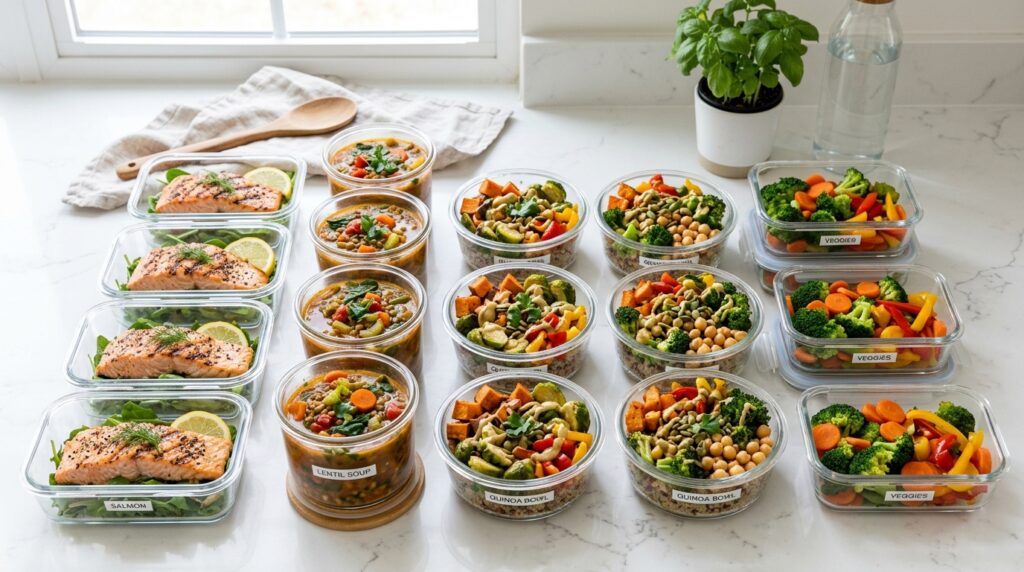
A seven-day heart-healthy meal plan provides more than just nutritional guidance — it builds the habits and routines that make cardiovascular-supportive eating sustainable over the long term. The meals in this guide prioritize fatty fish, whole grains, legumes, leafy greens, healthy fats, and fresh fruit while keeping sodium, saturated fat, and processed ingredients to a minimum. Repeat this framework weekly, swapping in seasonal foods and personal favorites, and your heart will benefit from the consistency of a truly protective dietary pattern.
Frequently Asked Questions
Can I repeat this meal plan every week? Yes, and repetition can actually be beneficial for building consistent habits. Feel free to rotate meals between days and add variety through seasonal ingredients, different herbs, and new recipes that use the same heart-healthy core foods.
How do I adapt this plan for a vegetarian or vegan diet? Replace fish and poultry with plant-based proteins such as lentils, chickpeas, black beans, tofu, tempeh, and edamame. Ensure you are getting adequate omega-3s from ground flaxseeds, chia seeds, walnuts, and algae oil supplements, as these replace the marine omega-3s from fish.
Is this meal plan suitable for people with high blood pressure? Yes, this plan aligns closely with the DASH diet principles that are specifically designed to lower blood pressure. Key features include high potassium from fruits and vegetables, adequate magnesium from legumes and nuts, low sodium from whole food preparation, and minimal processed ingredients. Always consult your healthcare provider before making significant dietary changes, especially if you are managing a medical condition.