Introduction
Non-alcoholic fatty liver disease (NAFLD) has become one of the most common liver conditions worldwide, affecting an estimated one in four adults globally. It occurs when excess fat accumulates in liver cells — not from alcohol, but primarily from dietary patterns high in refined carbohydrates, added sugars, and saturated fats. Left unaddressed, fatty liver can progress to inflammation, scarring, and more serious liver damage over time.
The encouraging news is that NAFLD is highly responsive to dietary intervention. Unlike many chronic conditions that require medication as a primary approach, fatty liver can often be meaningfully improved — and in early stages even reversed — through consistent changes in food choices.
This article covers the best foods to reduce fatty liver, backed by research, and explains how each one supports liver recovery and fat reduction.
Understanding Fatty Liver and Diet
When you consume more calories than your body can use — especially from fructose and refined carbohydrates — the liver converts the excess into fat and stores it in liver tissue. Over time, this accumulation impairs liver function, promotes inflammation, and contributes to insulin resistance.
The most effective dietary approaches for reducing liver fat include lowering total caloric intake, sharply reducing added sugars and refined carbohydrates, increasing fiber and antioxidant-rich foods, and consuming adequate healthy protein. The foods below support these goals while also providing specific compounds that help reduce liver inflammation and support fat metabolism.
1. Fatty Fish
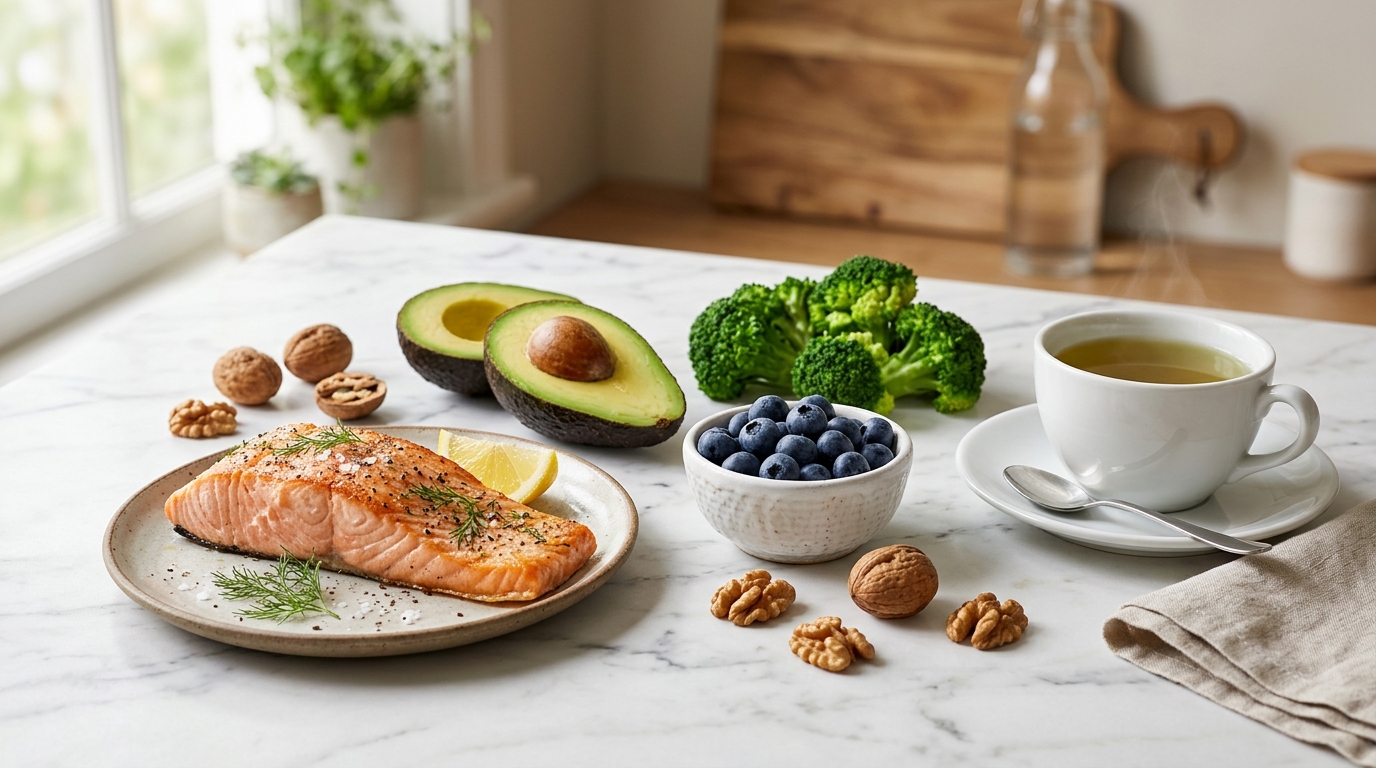
Fatty fish — including salmon, mackerel, sardines, and trout — are among the most studied foods for fatty liver. They are rich in omega-3 fatty acids, particularly EPA and DHA, which have been shown in clinical research to reduce liver fat content, lower triglyceride levels, and decrease liver inflammation.
Studies have found that omega-3 supplementation and consumption can significantly improve liver enzyme markers in people with NAFLD. Aim for two to three servings of fatty fish per week as a cornerstone of a liver-supportive diet.
2. Olive Oil
Extra virgin olive oil contains oleic acid and polyphenols that have been shown to reduce liver fat accumulation and improve liver enzyme levels. Research suggests that replacing saturated fats and refined seed oils with olive oil as the primary dietary fat can produce meaningful improvements in liver health over time.
Use olive oil for salad dressings, light sautéing, and drizzling over cooked vegetables. Its anti-inflammatory compounds work synergistically with other liver-supportive foods.
3. Avocado
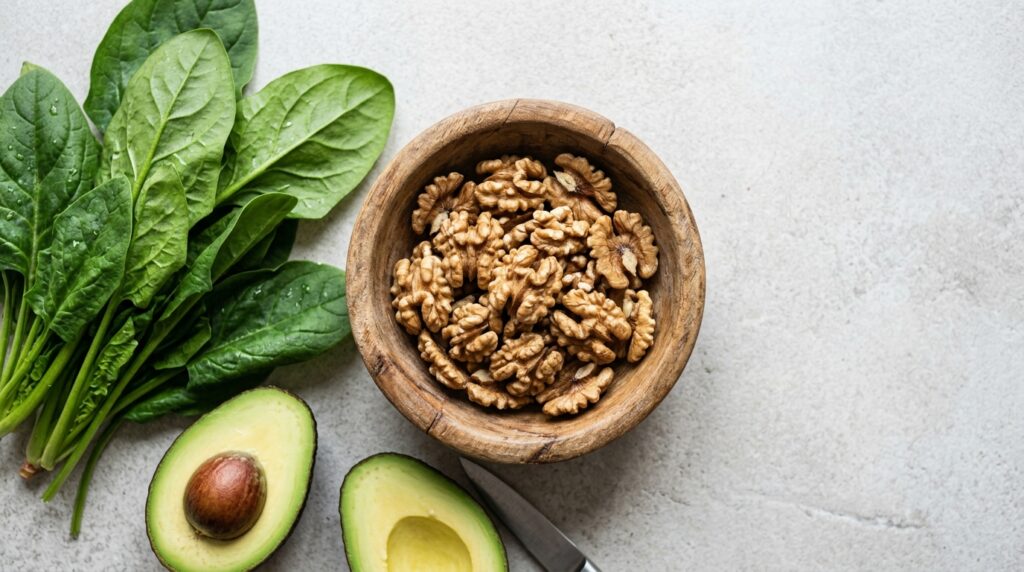
Avocados are rich in monounsaturated fats, fiber, and a range of antioxidant compounds including glutathione precursors that protect liver cells from oxidative damage. Research has found that regular avocado consumption is associated with lower rates of metabolic syndrome and improved liver health markers.
Their fiber content also helps slow sugar absorption and supports the elimination of bile acids, reducing the recirculation of cholesterol through the liver.
4. Green Leafy Vegetables
Leafy greens — including spinach, arugula, Swiss chard, and romaine lettuce — are low in calories and rich in nitrates, folate, and antioxidants that support liver fat metabolism. Animal studies and emerging human research suggest that spinach, in particular, may help reduce fat accumulation in liver tissue.
Including a generous portion of raw or lightly cooked leafy greens daily provides multiple liver benefits including reduced oxidative stress and improved detoxification enzyme activity.
5. Walnuts
Walnuts are unique among nuts in that they are rich in both omega-3 fatty acids and polyphenols, making them particularly beneficial for liver health. Several studies have found that walnut consumption is associated with better liver enzyme profiles and reduced liver fat in individuals with NAFLD.
A small daily handful of walnuts — roughly an ounce — provides a meaningful dose of liver-supportive nutrients without excessive caloric impact. If you are looking for more foods that support this kind of metabolic change, our article on how to improve liver health naturally covers additional strategies in detail.
6. Broccoli and Cruciferous Vegetables
Cruciferous vegetables contain glucosinolates, compounds that activate liver detoxification enzymes and have been shown in research to reduce fat buildup in liver tissue. Broccoli in particular has been studied for its ability to lower liver triglycerides and prevent the progression of liver disease.
Steam or roast cruciferous vegetables to preserve their active compounds. Adding them to meals several times per week provides cumulative liver protection.
7. Green Tea
Green tea’s catechin antioxidants — particularly epigallocatechin gallate (EGCG) — have been studied extensively for their liver-protective properties. Research has linked regular green tea consumption to lower liver enzyme levels, reduced liver fat, and decreased inflammation in individuals with fatty liver.
Two to four cups of green tea daily provides a meaningful antioxidant dose. Matcha, which is made from whole ground tea leaves, delivers an even higher concentration of catechins.
8. Berries
Blueberries, raspberries, and other antioxidant-rich berries contain polyphenols and anthocyanins that reduce oxidative stress in liver tissue. Animal studies have shown that blueberry extract can reduce liver fibrosis and fat accumulation. Human studies support berries’ role in reducing systemic inflammation that contributes to liver disease progression.
A cup of mixed berries daily — whether fresh or frozen — is a simple and enjoyable way to add powerful antioxidants to your liver-supportive diet.
9. Oats
Whole oats are one of the best sources of beta-glucan, a type of soluble fiber that has been shown to reduce cholesterol absorption, improve blood sugar regulation, and support healthy gut bacteria — all of which indirectly benefit liver health. Research also suggests that oat consumption is associated with reduced liver fat in people with NAFLD.
Choose whole rolled oats or steel-cut oats over instant varieties, which often contain added sugar and have lower fiber content.
10. Coffee
Multiple large-scale studies have found that regular coffee consumption — even without dairy or sugar — is associated with a significantly lower risk of liver cirrhosis, NAFLD progression, and liver-related mortality. Coffee contains chlorogenic acids and other antioxidant compounds that reduce liver inflammation and may help prevent excessive fat storage in liver cells.
Two to three cups of black coffee per day appears to provide the most benefit based on available research, though individual tolerance varies.
Conclusion
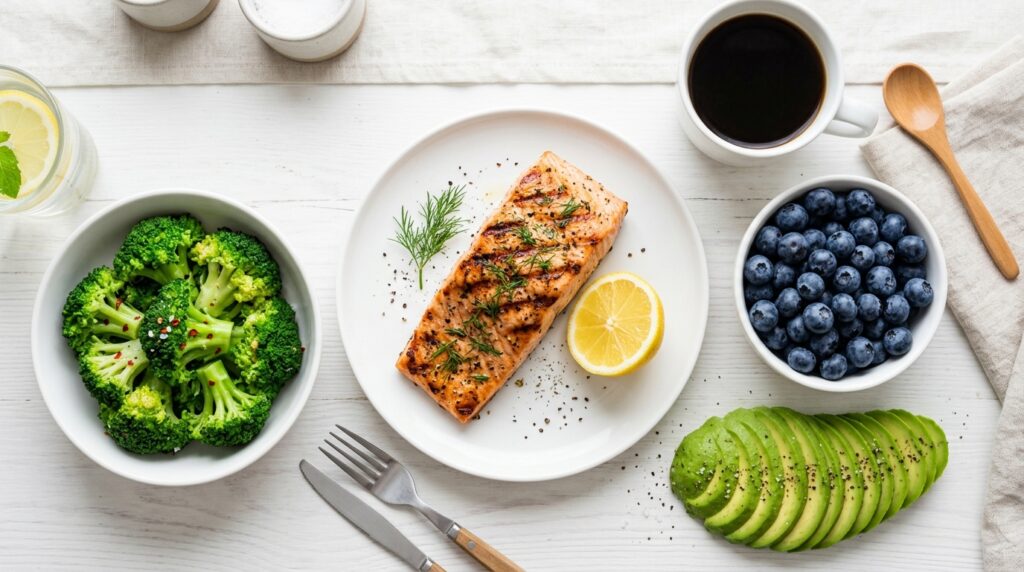
Reducing fatty liver through diet is a realistic and achievable goal when approached consistently. The foods listed above — fatty fish, olive oil, avocado, leafy greens, walnuts, cruciferous vegetables, green tea, berries, oats, and coffee — each contribute specific compounds that support liver fat reduction, decrease inflammation, and improve metabolic function.
The most effective approach is not to rely on any single food, but to build an overall dietary pattern that prioritizes these options while reducing added sugars, refined carbohydrates, processed foods, and excess saturated fat. Combined with regular physical activity and adequate hydration, a liver-supportive diet can produce meaningful improvements in liver health within months.
Frequently Asked Questions
Can fatty liver be reversed through diet alone? In the early stages — when the condition involves fat accumulation without significant inflammation or scarring — dietary changes combined with regular exercise can meaningfully reverse fatty liver. More advanced stages may require medical management alongside dietary improvements.
How quickly can diet reduce liver fat? Studies have shown measurable reductions in liver fat within as little as eight to twelve weeks of consistent dietary changes, particularly when caloric intake is reduced and added sugars are eliminated. Individual responses vary based on starting health status and degree of dietary change.
Is a low-carbohydrate diet effective for fatty liver? Several studies have found that reducing refined carbohydrate and sugar intake — which is a feature of both low-carbohydrate and Mediterranean-style diets — is particularly effective at reducing liver fat. A Mediterranean diet emphasizing vegetables, healthy fats, lean protein, and whole grains has strong research support for improving NAFLD.