Introduction
Most people are aware that excessive alcohol damages the liver, but alcohol is far from the only dietary culprit. The food choices you make every day have a direct and cumulative impact on liver function — for better or worse. Many common foods and beverages found in the typical Western diet place significant stress on the liver, contributing to fat accumulation, inflammation, oxidative damage, and over time, serious liver disease.
Understanding which foods damage your liver gives you the knowledge to make smarter choices without giving up enjoyment of food entirely. The goal is not perfection but informed awareness — knowing what to reduce and what to replace it with.
This article outlines the most harmful foods for liver health and explains the mechanisms behind the damage they cause.
How Diet Harms the Liver
The liver processes everything absorbed through the digestive tract. When the diet is consistently high in substances the liver must work hard to neutralize, metabolize, or store, the organ becomes progressively stressed. Chronic exposure to certain dietary toxins and metabolic burdens leads to fatty liver disease, liver inflammation, and in severe cases, fibrosis and cirrhosis.
Reducing the dietary sources of liver stress is one of the most powerful preventive and restorative strategies available. The following foods and substances are among the most consistently damaging.
1. Alcohol
No list of liver-damaging substances would be complete without alcohol at the top. The liver metabolizes approximately 90 percent of all alcohol consumed, and this process generates acetaldehyde — a toxic byproduct that damages liver cells, promotes inflammation, and disrupts fat metabolism.
Chronic alcohol consumption is the leading cause of alcoholic liver disease, which can progress through stages: fatty liver, alcoholic hepatitis, and cirrhosis. Even moderate regular drinking accelerates fat accumulation in the liver. Eliminating or substantially reducing alcohol is the single most impactful step for liver health.
2. Added Sugar and High-Fructose Corn Syrup
Unlike glucose, which is metabolized throughout the body, fructose is processed almost exclusively by the liver. When dietary fructose exceeds what the liver can use for energy, it is converted into fat and stored in liver tissue — a key driver of non-alcoholic fatty liver disease.
Sugary beverages, candy, baked goods, flavored yogurts, and processed snacks all contain significant amounts of added sugar and high-fructose corn syrup. Reducing these foods dramatically lowers the liver’s metabolic burden and one of the primary drivers of liver fat accumulation.
3. Refined Carbohydrates
White bread, white rice, pasta made from refined flour, and similar products cause rapid spikes in blood sugar and insulin. The liver responds by converting excess glucose into fat for storage. Over time, frequent consumption of refined carbohydrates contributes to insulin resistance and accelerated fat deposition in liver tissue.
Replacing refined carbohydrates with whole grains, legumes, and vegetables provides fiber that slows glucose absorption and supports healthier liver metabolism.
4. Trans Fats and Partially Hydrogenated Oils
Trans fats — found historically in margarine, shortening, fried fast foods, and many packaged snacks — are among the most damaging dietary fats for liver health. They promote liver inflammation, disrupt fat metabolism, and contribute to cellular damage in liver tissue.
While many countries have banned or restricted partially hydrogenated oils, trans fats can still appear in smaller amounts in certain processed foods. Reading ingredient labels and avoiding products listing “partially hydrogenated oils” protects against this source of liver damage.
5. Fried Foods
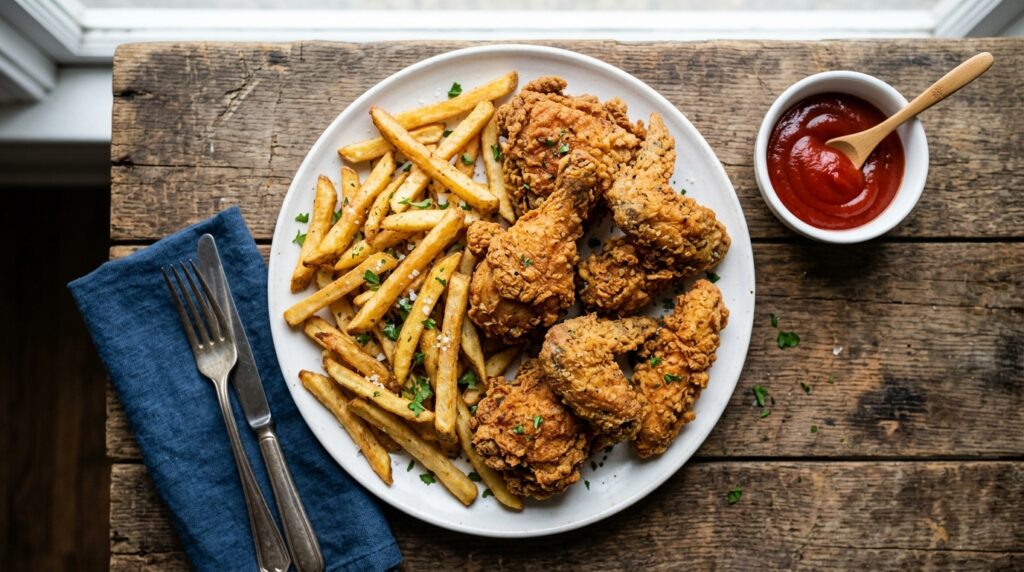
Deep-fried foods combine high levels of unhealthy fats with significant caloric density, creating a double burden for the liver. Regular consumption of fried chicken, French fries, fried fish, and similar foods has been associated with increased liver fat and elevated liver enzyme markers in research.
The high heat used in deep frying also creates oxidative compounds that increase liver inflammation. Reducing fried food frequency and replacing frying with baking, steaming, or grilling preserves flavor with far less liver impact.
6. Processed Meats
Bacon, hot dogs, deli meats, sausages, and similar processed meats are high in saturated fat, sodium, and preservatives including nitrates. Saturated fat from animal sources contributes to liver fat accumulation, while nitrates and other chemical preservatives require liver processing.
Research has linked high processed meat consumption to increased risk of liver disease and liver cancer. Replacing processed meats with lean proteins, legumes, and fatty fish provides better nutritional support for liver function.
7. Packaged and Ultra-Processed Foods
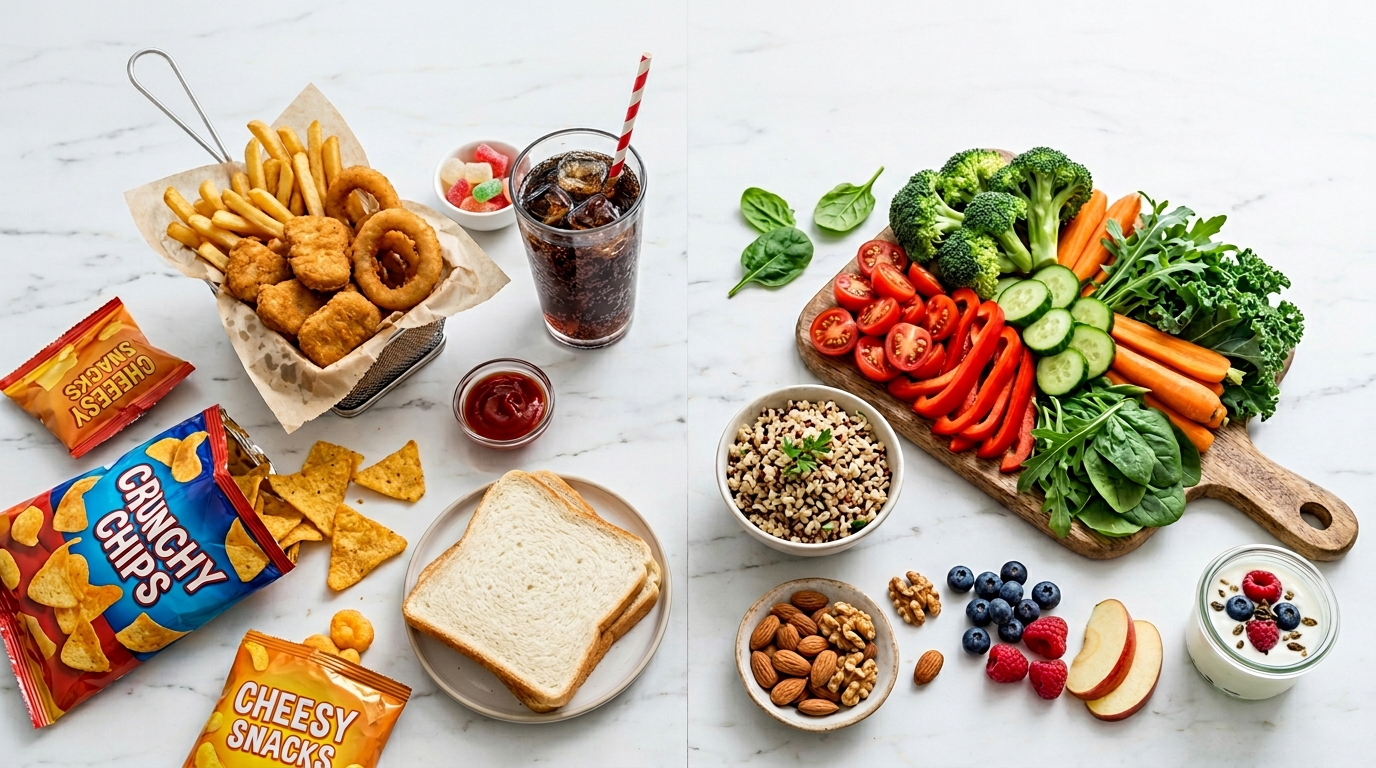
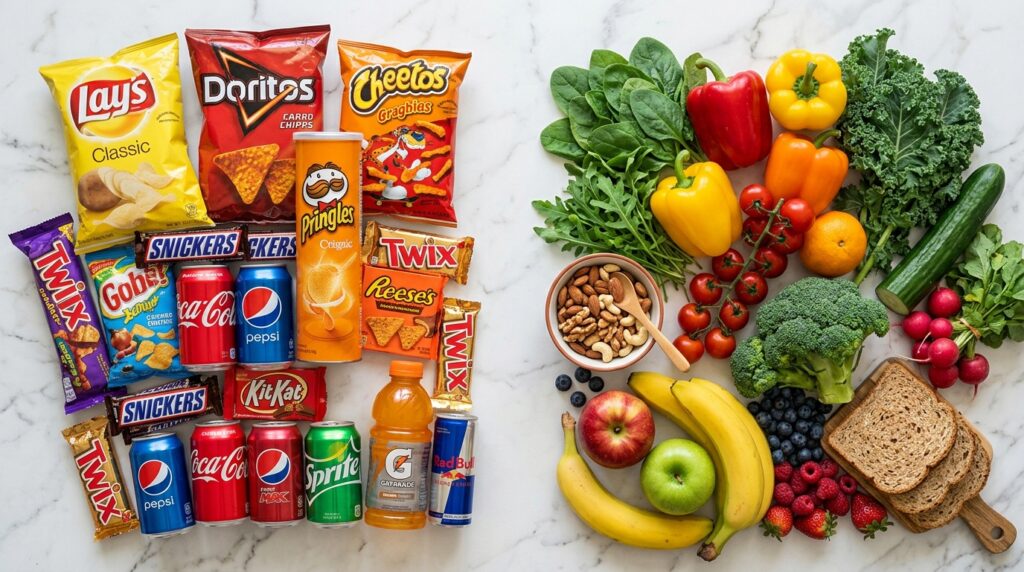
Chips, crackers, instant noodles, commercial baked goods, and convenience foods typically combine refined carbohydrates, trans fats or saturated fats, excessive sodium, and chemical additives. The liver must process many of these artificial additives as part of its filtration function. For more on how whole foods compare, our guide on best foods to reduce fatty liver outlines the positive side of this dietary equation.
The cumulative impact of regular ultra-processed food consumption on the liver is significant — not from any single ingredient but from the consistent combination of multiple liver-stressing factors.
8. Excessive Salt
A diet very high in sodium promotes water retention and can contribute to elevated blood pressure, which over time affects liver blood flow and function. More directly, very high sodium intake has been associated with increased liver fibrosis risk in animal studies.
While moderate salt consumption is generally safe for healthy individuals, reducing reliance on processed and restaurant foods — which account for most dietary sodium — supports overall metabolic health including liver function.
9. Artificial Sweeteners
The research on artificial sweeteners and liver health is still evolving, but some studies suggest that certain sweeteners — including saccharin and sucralose — may alter gut bacteria in ways that contribute to liver inflammation and glucose intolerance. The gut-liver axis means that changes in gut microbiome composition can directly influence liver health.
Limiting artificial sweeteners and replacing sweet cravings with whole fruit provides a more liver-friendly approach to reducing sugar intake.
10. Excessive Vitamin A Supplements
While vitamin A from food sources is beneficial and safe, excessive intake of preformed vitamin A from supplements can be directly hepatotoxic — meaning it causes liver cell damage. Fat-soluble vitamins accumulate in liver tissue, and long-term megadosing of vitamin A supplements has been linked to liver fibrosis and liver failure in documented cases.
Obtaining vitamin A through food sources like sweet potatoes, carrots, and leafy greens is safe. Supplementing vitamin A beyond recommended doses without medical supervision poses real liver risk.
Conclusion
The liver is remarkably resilient, but it is not invincible. A diet consistently high in alcohol, added sugars, refined carbohydrates, trans fats, fried foods, and ultra-processed products places a cumulative burden on this vital organ that compounds over years and decades.
The good news is that the liver responds well to positive dietary changes. Reducing or eliminating the foods discussed in this article — and replacing them with whole, nutrient-dense alternatives — gives the liver the conditions it needs to repair and function optimally. Even modest, consistent reductions in harmful foods can produce measurable improvements in liver health over time.
Frequently Asked Questions
What is the worst food for the liver? Alcohol and high-fructose corn syrup are consistently identified as the most damaging dietary substances for the liver. Alcohol generates directly toxic metabolites, while excess fructose is a primary driver of non-alcoholic fatty liver disease through conversion to liver fat.
Can eating the wrong foods cause permanent liver damage? Chronic consumption of highly liver-damaging foods and beverages can lead to progressive liver disease, including fibrosis and cirrhosis, which involve permanent scarring. However, in the early stages of liver stress and fatty liver, dietary changes can meaningfully reverse the damage before permanent scarring occurs.
How quickly does the liver recover when you stop eating harmful foods? The liver begins recovery relatively quickly once the source of stress is reduced. Many people notice improvements in energy and digestive function within weeks. Clinical markers such as liver enzyme levels can begin to normalize within four to twelve weeks of sustained dietary changes, depending on the degree of prior damage.