Introduction
Iron is one of the most essential minerals your body needs to function properly. It plays a central role in producing hemoglobin, the protein in red blood cells responsible for carrying oxygen throughout the body. Without enough iron, your cells and tissues cannot get the oxygen they need, which can lead to fatigue, weakness, and a compromised immune system.
Iron deficiency is the most common nutritional deficiency worldwide, affecting billions of people across all age groups. Women of childbearing age, pregnant women, growing children, and individuals following plant-based diets are especially at risk. The good news is that meeting your daily iron needs is very achievable through the right dietary choices.
This guide covers the best foods rich in iron that you can start incorporating into your meals right away.
Why Iron Matters for Your Health
Iron supports several critical functions beyond oxygen transport. It helps your body produce energy at the cellular level, supports a healthy immune response, and plays a role in cognitive function and focus. Iron is also necessary for proper muscle function and is involved in the synthesis of certain hormones.
There are two types of dietary iron: heme iron, found in animal products, which is more easily absorbed, and non-heme iron, found in plant-based foods, which requires a bit more attention to absorb efficiently. Understanding the difference helps you build a diet that meets your iron needs regardless of your dietary preferences.
10 Best Foods Rich in Iron
1. Beef and Lamb
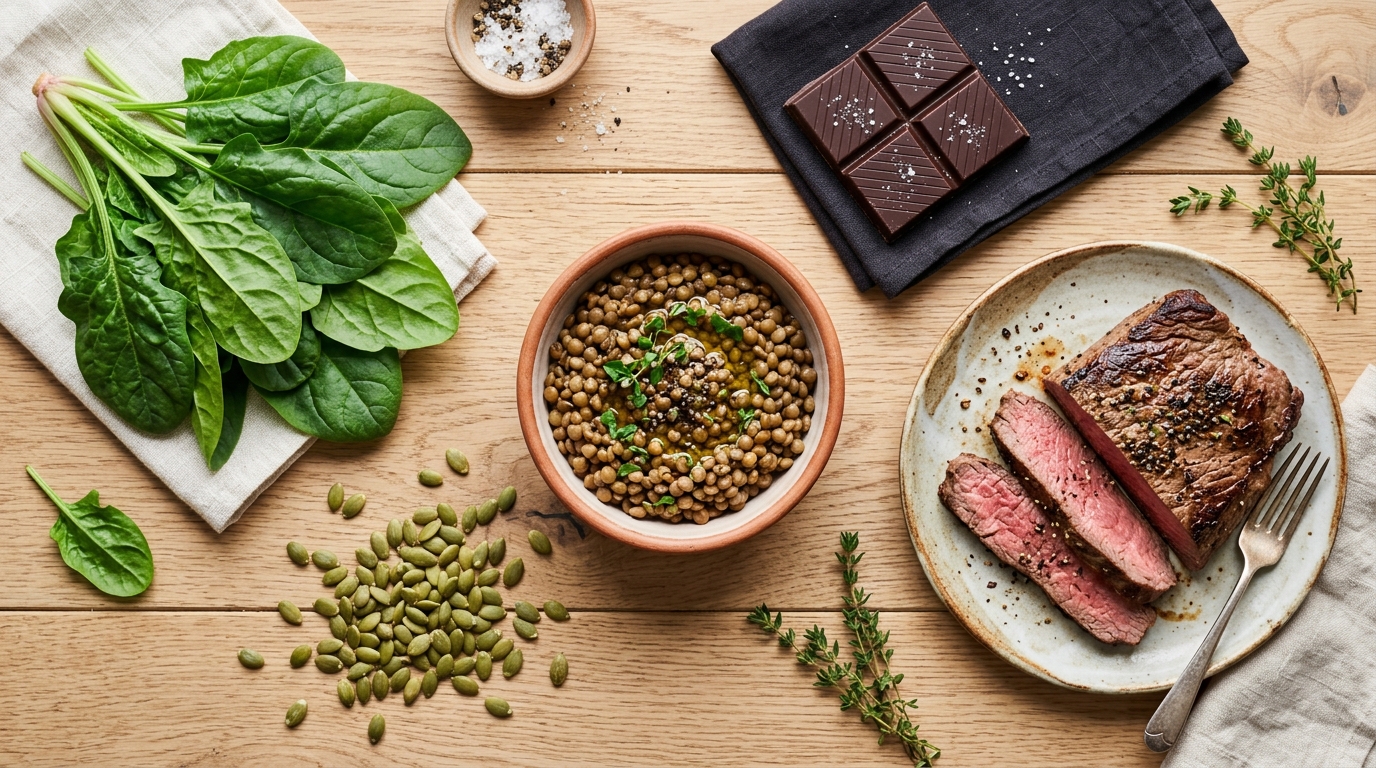
Red meat is one of the most concentrated sources of heme iron available. A three-ounce serving of lean beef can provide around three milligrams of iron, making it an efficient way to meet daily needs. Grass-fed varieties tend to offer additional nutritional benefits alongside their iron content.
2. Chicken Liver
Organ meats, particularly chicken liver, are among the most iron-dense foods you can eat. A three-ounce serving can contain more than ten milligrams of iron. Chicken liver is also rich in vitamin A, B vitamins, and folate, making it a highly nutritious option even in small amounts.
3. Oysters
Oysters are a surprising powerhouse when it comes to iron. A small serving of cooked oysters can deliver six or more milligrams of iron along with zinc, vitamin B12, and omega-3 fatty acids. Shellfish in general are excellent sources of both heme iron and other essential minerals.
4. Spinach
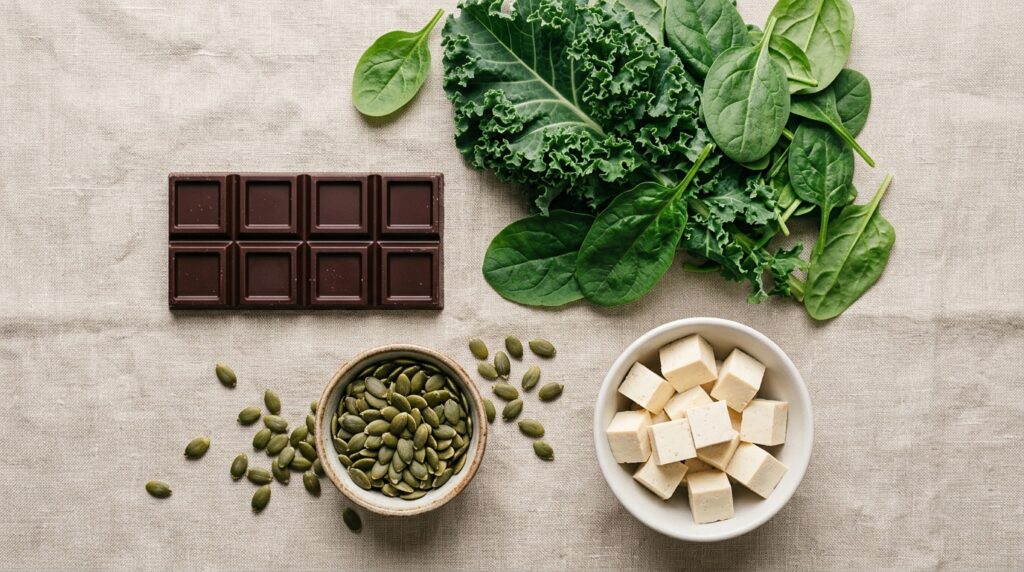
Among plant-based foods, spinach stands out as one of the richest sources of non-heme iron. A cup of cooked spinach contains around six milligrams of iron. Pairing spinach with a vitamin C source such as lemon juice or tomatoes significantly improves iron absorption.
5. Lentils
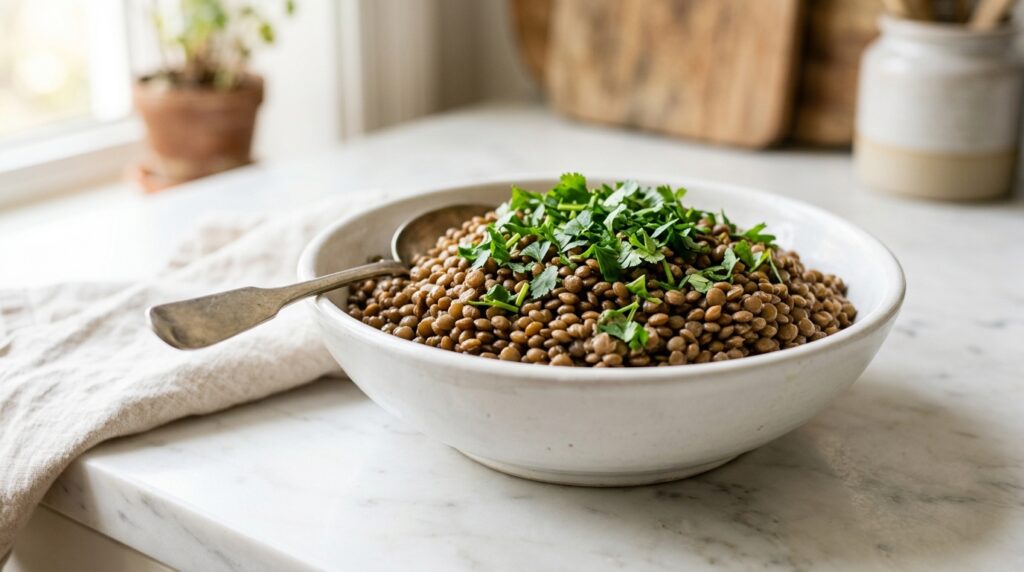
Lentils are a staple in many cuisines and provide an impressive amount of non-heme iron. One cup of cooked lentils contains roughly six to seven milligrams of iron. They are also high in fiber, plant-based protein, and folate, making them a nutritional standout for vegetarians and vegans.
If you’re looking for more plant-based nutrition strategies, you may also enjoy our guide on how to get enough protein on a plant-based diet.
6. Tofu
Tofu is a versatile plant-based protein that also delivers a meaningful dose of iron. Half a cup of firm tofu typically provides around three milligrams of iron. It absorbs flavors well and can be used in stir-fries, soups, and grain bowls as part of an iron-rich meal.
7. Pumpkin Seeds
Pumpkin seeds are a convenient and nutrient-dense snack that provides non-heme iron along with magnesium, zinc, and healthy fats. A one-ounce serving delivers approximately two to three milligrams of iron. They are easy to add to salads, oatmeal, or yogurt throughout the day.
8. Quinoa
Quinoa is a whole grain that contains more iron than most other grains. One cup of cooked quinoa provides around three milligrams of iron. As a complete protein that also offers fiber and several B vitamins, quinoa is a well-rounded addition to an iron-focused diet.
9. Dark Chocolate
Dark chocolate with a high cocoa content offers a surprising nutritional benefit: iron. A one-ounce serving of dark chocolate can contain two to three milligrams of iron along with antioxidants and magnesium. Choosing varieties with at least seventy percent cocoa gives you the most nutritional value.
10. Fortified Cereals
Many breakfast cereals are fortified with iron, sometimes providing up to one hundred percent of the daily recommended value per serving. While whole food sources are generally preferred, fortified cereals can be a practical option for individuals with increased iron needs or those who struggle to meet requirements through food alone.
Conclusion
Iron is a foundational mineral that supports your energy, immunity, and overall vitality. Whether you eat meat or follow a plant-based lifestyle, there are plenty of excellent dietary sources to choose from. Prioritizing iron-rich foods like lentils, spinach, red meat, oysters, and seeds gives your body what it needs to produce healthy red blood cells and maintain consistent energy levels. Pairing non-heme iron sources with vitamin C is a simple habit that can meaningfully improve how much iron your body absorbs from each meal.
Frequently Asked Questions
What is the recommended daily intake of iron? The recommended daily intake varies by age and sex. Adult men and postmenopausal women generally need around eight milligrams per day, while women of childbearing age require about eighteen milligrams. Pregnant women may need significantly more, often around twenty-seven milligrams daily.
What helps the body absorb iron from plant-based foods? Consuming non-heme iron alongside foods high in vitamin C, such as bell peppers, citrus fruits, or tomatoes, significantly enhances absorption. Cooking in cast iron cookware can also add trace amounts of iron to food.
What are signs of iron deficiency? Common signs include persistent fatigue, pale skin, shortness of breath, dizziness, and brittle nails. If you suspect a deficiency, a simple blood test ordered by a healthcare provider can confirm your iron status.