Introduction
Inflammation is your body’s natural defense against infection and injury. In the short term, it is essential and protective. But when inflammation becomes chronic, lasting weeks, months, or years without resolution, it begins to damage healthy tissue and contribute to some of the most serious diseases of modern life, including heart disease, type 2 diabetes, arthritis, autoimmune conditions, and certain cancers.
Diet plays a central and direct role in whether inflammation stays acute and resolves quickly or becomes a persistent, damaging force. Certain superfoods contain compounds with potent anti-inflammatory properties that help regulate the immune response, reduce inflammatory markers in the blood, and protect cells from the oxidative stress that drives inflammation forward.
This guide covers the most effective superfoods that fight inflammation and explains the science behind how each one works.
Understanding Chronic Inflammation
Chronic low-grade inflammation is often invisible until its damage accumulates. It can be triggered by a diet high in refined carbohydrates, added sugars, trans fats, and processed foods, as well as by chronic stress, poor sleep, sedentary behavior, and environmental toxins. Over time, elevated inflammatory markers such as CRP and IL-6 are associated with accelerated aging and increased disease risk across virtually every major body system.
The anti-inflammatory diet is one of the most studied dietary approaches in modern nutrition research. Studies consistently show that diets rich in vegetables, fruits, whole grains, legumes, nuts, fatty fish, and specific spices reduce inflammatory markers and lower disease risk over time.
If you are starting an anti-inflammatory diet for the first time, our guide on the anti-inflammatory diet for beginners provides a helpful broader framework alongside this food-specific guide.
1. Turmeric
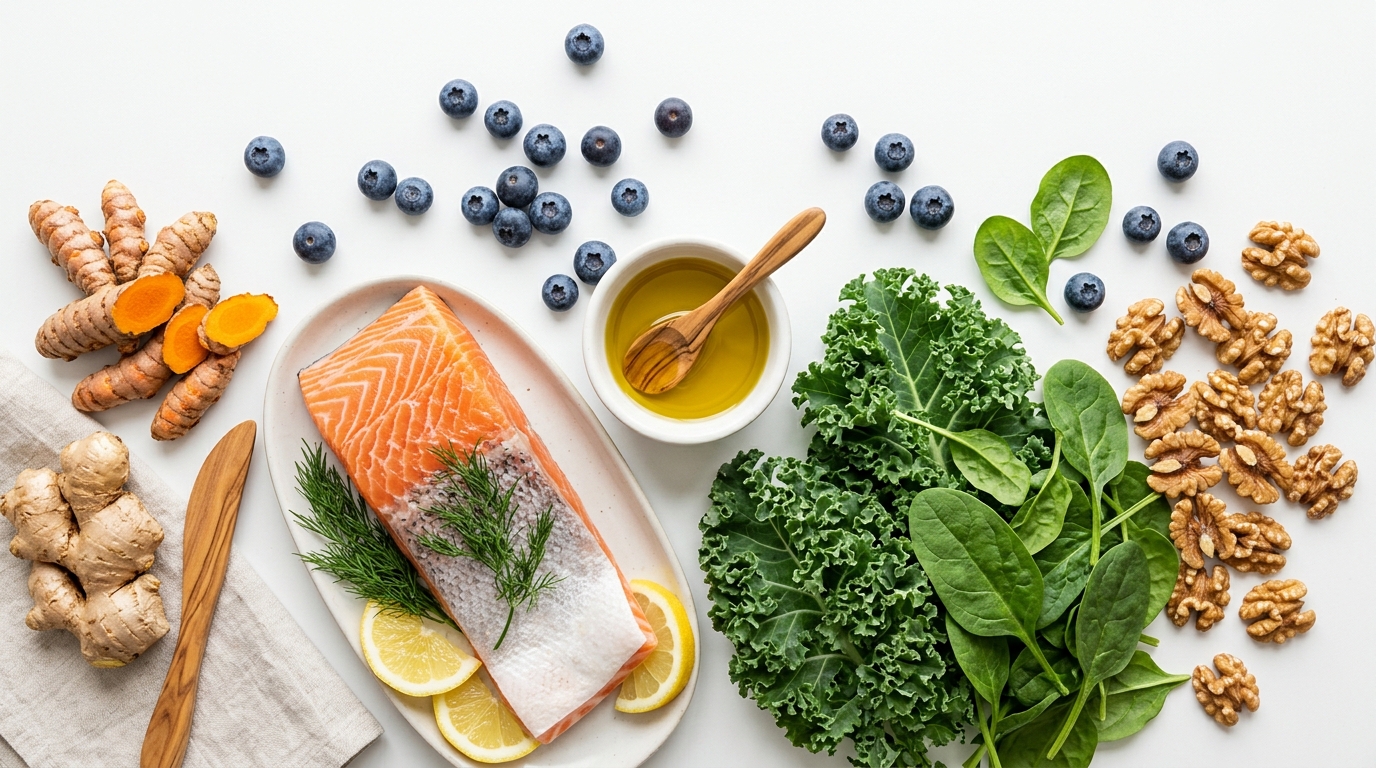
Turmeric is perhaps the most studied anti-inflammatory food in the world. Its active compound, curcumin, directly inhibits several molecular pathways involved in the inflammatory response, including NF-kB, one of the key switches that activates genes related to inflammation.
Curcumin has been shown in clinical studies to reduce symptoms of rheumatoid arthritis, reduce CRP levels, and provide relief comparable to certain anti-inflammatory medications in some contexts. To maximize absorption, always combine turmeric with black pepper, which contains piperine and increases curcumin bioavailability by up to 2,000 percent.
2. Ginger
Ginger contains gingerols and shogaols, bioactive compounds with well-documented anti-inflammatory and antioxidant effects. These compounds inhibit the production of pro-inflammatory cytokines and block the same enzyme pathways targeted by anti-inflammatory drugs, without the associated side effects.
Research supports ginger’s effectiveness in reducing muscle soreness, lowering markers of inflammation in people with metabolic syndrome, and easing the pain of osteoarthritis. Fresh ginger can be grated into stir-fries, soups, teas, and smoothies, while dried ginger works well in spice blends and baked goods.
3. Fatty Fish
Fatty fish such as salmon, mackerel, sardines, and anchovies are among the best dietary sources of omega-3 fatty acids, specifically EPA and DHA. These long-chain fats are directly incorporated into cell membranes and serve as precursors to anti-inflammatory compounds called resolvins and protectins.
Omega-3 fatty acids compete with pro-inflammatory omega-6 fats in the body, reducing the production of inflammatory eicosanoids. Multiple large studies associate regular fatty fish consumption with lower levels of CRP, IL-6, and other inflammatory markers. Aim for two to three servings per week as part of a broader anti-inflammatory dietary approach.
4. Blueberries
Blueberries are rich in anthocyanins, a class of flavonoid antioxidants with powerful anti-inflammatory properties. These compounds down-regulate inflammatory signaling pathways and reduce oxidative stress, a key driver of chronic inflammation, particularly in the brain and cardiovascular system.
Regular blueberry consumption has been associated in studies with reduced inflammatory biomarkers, improved blood pressure, and enhanced cognitive function. Fresh and frozen blueberries are equally effective, making this one of the most practical and accessible anti-inflammatory superfoods you can eat daily.
5. Leafy Greens
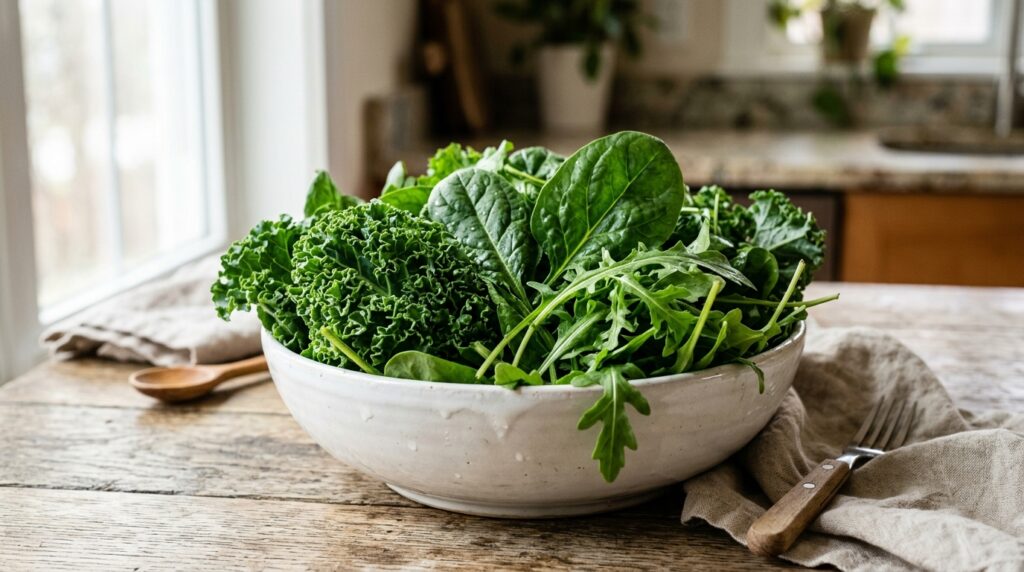
Kale, spinach, Swiss chard, and arugula are all rich in vitamin K, which plays a regulatory role in inflammatory processes. They also provide magnesium, folate, and a variety of antioxidants that collectively reduce oxidative stress and inflammatory signaling throughout the body.
Magnesium deficiency is particularly linked to elevated inflammatory markers, and leafy greens are one of the most reliable dietary sources of this mineral. Eating a large serving of mixed greens daily, whether in a salad, smoothie, or cooked side dish, represents one of the simplest and most effective dietary steps for managing chronic inflammation.
6. Extra Virgin Olive Oil
Extra virgin olive oil contains oleocanthal, a natural phenolic compound that inhibits the same enzymes as ibuprofen. This is one of the most striking examples of a dietary compound mimicking the mechanism of a pharmaceutical anti-inflammatory agent.
Olive oil also provides oleic acid, a monounsaturated fat associated with reduced inflammatory gene expression, along with a range of polyphenols that protect against oxidative damage. The key is to use extra virgin, cold-pressed olive oil and to avoid overheating it. Use it as a salad dressing base, drizzled over cooked vegetables, or as a finishing oil on soups.
7. Cherries
Tart cherries in particular are one of the most powerful anti-inflammatory fruits available. They are rich in anthocyanins and other polyphenols that inhibit the enzymes COX-1 and COX-2, the same enzymes blocked by common pain relievers. This mechanism makes tart cherries especially effective for reducing exercise-induced inflammation and joint pain.
Research has shown that tart cherry juice reduces markers of inflammation in athletes after intense exercise and may ease symptoms in people with gout and osteoarthritis. Sweet cherries offer similar but slightly less potent benefits. Eat them fresh in season, or use frozen or unsweetened dried tart cherries year-round.
8. Walnuts
Walnuts are the only commonly eaten tree nut with a significant amount of plant-based omega-3 fatty acids in the form of ALA. They also contain polyphenols including ellagic acid that are converted by gut bacteria into anti-inflammatory compounds called urolithins.
Regular walnut consumption has been linked in studies to reduced CRP and IL-6 levels, improved endothelial function, and lower LDL cholesterol oxidation, all markers of reduced inflammatory activity. A small daily handful of raw walnuts is sufficient to provide meaningful anti-inflammatory benefits.
9. Green Tea
Green tea is exceptionally rich in a catechin called EGCG, one of the most potent anti-inflammatory and antioxidant compounds found in any beverage. EGCG inhibits pro-inflammatory cytokine production and reduces oxidative stress throughout the body.
Population studies consistently associate regular green tea consumption with lower rates of heart disease, certain cancers, and neurodegenerative conditions, all diseases with inflammation as a central contributing factor. Drinking two to three cups of green tea daily, brewed from loose leaves or quality tea bags, provides meaningful anti-inflammatory support without caffeine excess.
10. Flaxseeds
Ground flaxseeds are one of the richest plant sources of ALA omega-3 fatty acids and also provide lignans, a class of polyphenols with both antioxidant and anti-inflammatory properties. The fiber in flaxseeds further supports inflammation reduction through its positive effects on gut microbiome composition.
Flaxseeds must be ground to be properly absorbed. Whole flaxseeds pass through the digestive system largely intact. Add freshly ground flaxseed to oatmeal, smoothies, yogurt, baked goods, or salad dressings. Store ground flaxseed in an airtight container in the refrigerator to prevent oxidation.
Conclusion
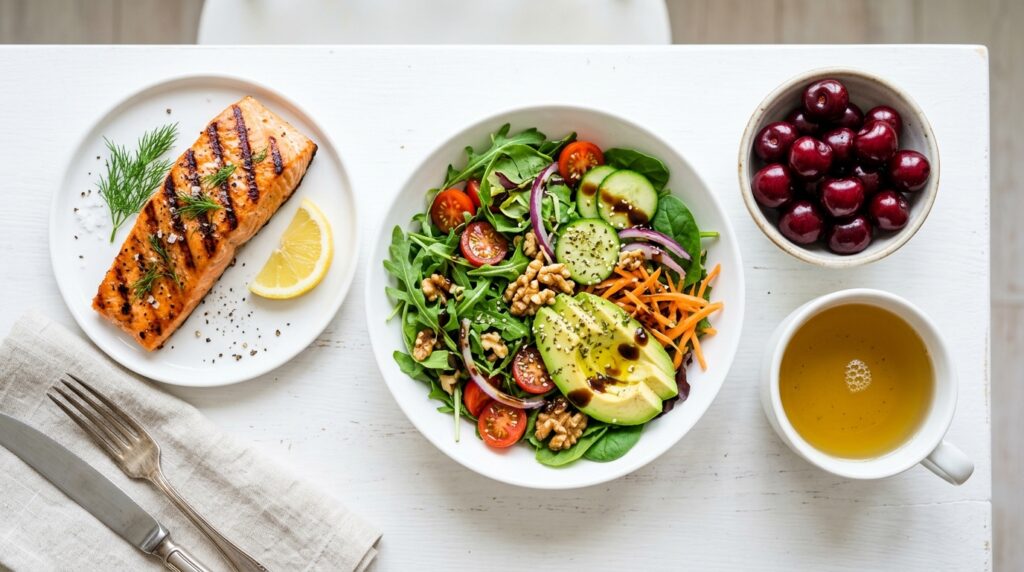
Chronic inflammation is a slow, quiet process, but its effects are anything but minor. The superfoods that fight inflammation most effectively are whole foods rich in omega-3 fatty acids, antioxidant polyphenols, and bioactive compounds that directly modulate the immune response at the molecular level. Incorporating these foods consistently into your daily meals is one of the most well-supported strategies in nutrition science for reducing disease risk and promoting long-term health. The more of these foods you include and the more regularly you eat them, the greater and more sustained the anti-inflammatory benefit.
Frequently Asked Questions
What is the single most anti-inflammatory food? Turmeric is widely considered the most potent anti-inflammatory food based on the volume and quality of research on curcumin, its active compound. However, its effectiveness is greatly enhanced when combined with black pepper and consumed as part of a broader anti-inflammatory diet that includes fatty fish, leafy greens, berries, and olive oil.
How quickly can diet reduce inflammation? Measurable reductions in inflammatory markers such as CRP can occur within two to four weeks of consistently following an anti-inflammatory dietary pattern. Some improvements, particularly in joint pain and digestive symptoms, may be noticed even sooner. Long-term sustained dietary changes produce the most significant and lasting results.
Are there foods that make inflammation worse? Yes. Refined sugars, trans fats, processed meats, vegetable oils high in omega-6 fatty acids, refined white flour, and excessive alcohol are among the most well-established dietary drivers of chronic inflammation. Reducing or eliminating these foods is just as important as adding anti-inflammatory superfoods to your diet.
Related Articles
Most Powerful Antioxidant-Rich Superfoods Anti-Inflammatory Diet for Beginners Best Anti-Inflammatory Foods