Introduction
What you eat around your workouts has a direct impact on your energy levels, performance, and recovery. Whether you are doing cardio to burn fat or strength training to build muscle, the right pre- and post-workout nutrition can significantly enhance your results. Eating the wrong foods before exercise can leave you feeling sluggish or cause digestive discomfort, while skipping nutrition after a workout can slow recovery and reduce the benefits of your effort. This guide covers the best foods to eat before and after exercise for optimal results.
Why Exercise Nutrition Matters for Weight Loss and Performance
Your body relies on glycogen stored in muscles and the liver as its primary fuel source during exercise. Eating appropriately before a workout ensures those fuel stores are adequate, which allows you to train harder and longer. After exercise, your muscles are in a state of repair and your glycogen stores need replenishment. Consuming the right nutrients in this recovery window helps your body rebuild stronger, reduces muscle soreness, and prepares you for your next workout. For those focused on weight loss, strategic exercise nutrition also helps preserve lean muscle while the body burns stored fat.
1. Oatmeal (Before)
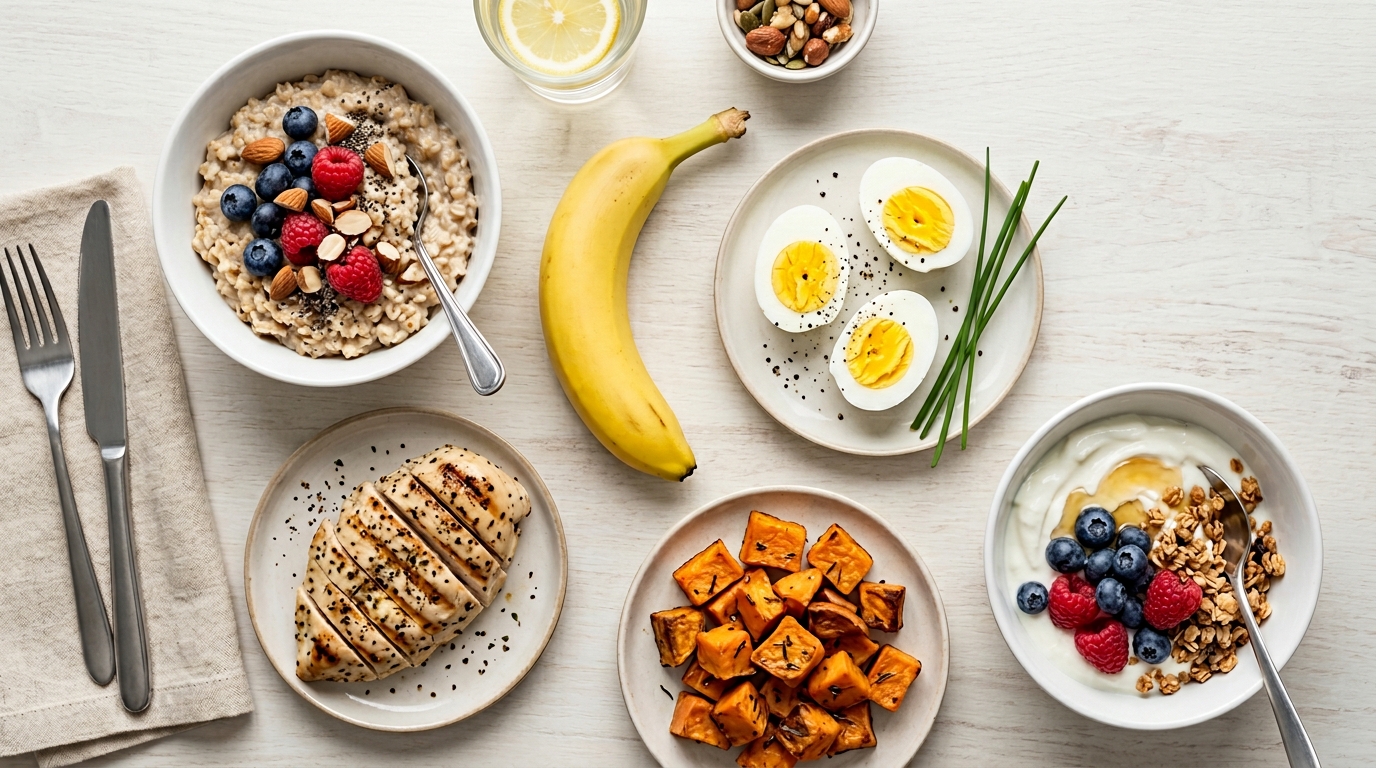
Oatmeal is an excellent pre-workout meal because it provides a steady release of complex carbohydrates that fuel sustained energy throughout a workout. It is also low on the glycemic index, meaning it does not cause a sudden blood sugar spike followed by a crash. Adding a small amount of nut butter or banana to your oatmeal increases both the carbohydrate and protein content, making it an even more complete pre-exercise meal. Consume oatmeal about one to two hours before working out for best results.
2. Banana (Before)
Bananas are one of the most popular and practical pre-workout snacks. They are rich in natural sugars and potassium, which helps prevent muscle cramps during exercise. The easily digestible carbohydrates provide quick energy without causing digestive discomfort. A banana paired with a small handful of almonds or a tablespoon of nut butter gives you a balanced combination of fast-digesting carbs and a small amount of protein and fat to sustain energy throughout your session.
3. Whole Grain Toast with Egg or Nut Butter (Before)
Whole grain toast is another reliable source of complex carbohydrates that provides lasting energy before a workout. Topping it with a boiled egg or a spread of almond butter adds protein and healthy fat that slow digestion slightly, providing a more sustained fuel supply. This combination is easy to prepare and gentle on the stomach, making it a great option for morning exercisers who need something light but effective before training.
4. Greek Yogurt with Fruit (Before or After)
Greek yogurt works well both before and after exercise. Its protein content supports muscle preparation before training and aids repair afterward. Paired with fresh fruit like berries or sliced banana, it provides carbohydrates that restore glycogen levels post-workout. Greek yogurt is also a good source of calcium and probiotics, adding a nutritional bonus beyond its exercise-specific benefits. A serving about 30 to 60 minutes before a light workout or within 30 to 60 minutes after training is ideal.
5. Chicken or Turkey with Rice (Before or After)
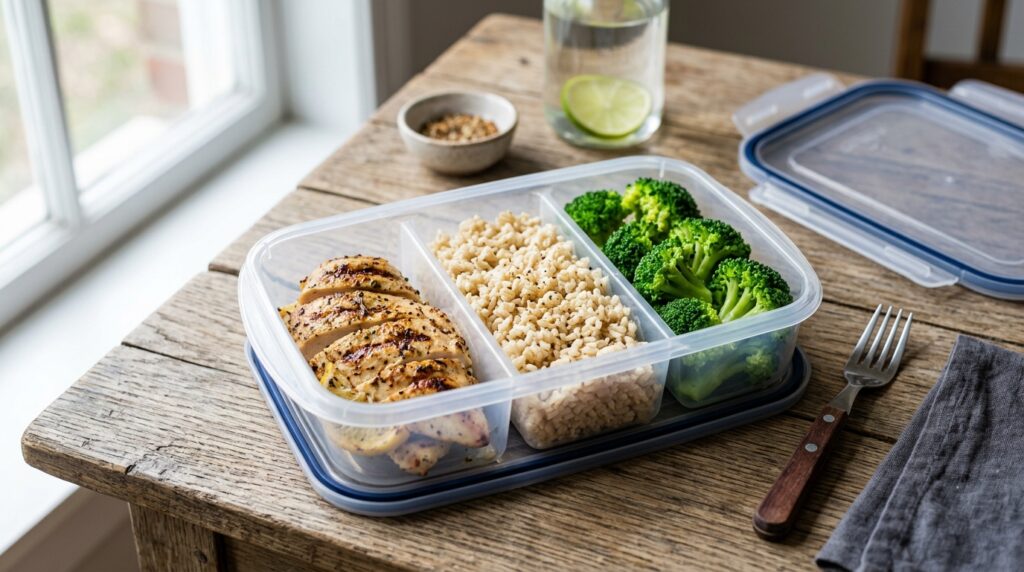
A classic combination of lean protein and complex carbohydrates, chicken or turkey with brown rice is a staple pre- and post-workout meal for many athletes. This combination provides all the essential amino acids needed for muscle repair along with carbohydrates to restore energy stores. It is particularly beneficial after strength training when muscle tissue has been broken down and needs adequate nutrition to rebuild. Preparing this meal in advance makes it easy to have ready exactly when you need it.
For a complete approach to organizing your pre- and post-workout meals into a weekly structure, our guide on the best healthy meal plan for weight loss offers practical ideas you can apply immediately.
6. Eggs (After)
Eggs are one of the most complete post-workout foods available. A single egg contains all essential amino acids in proportions that closely match what human muscles require for repair. They are also rich in leucine, a specific amino acid that plays a key role in initiating muscle protein synthesis after exercise. Scrambled, poached, or hard-boiled eggs consumed within an hour of finishing a workout effectively support recovery and help maintain muscle mass during a weight loss phase.
7. Salmon (After)
Salmon is an outstanding post-workout food because it provides high-quality protein alongside omega-3 fatty acids. The omega-3s in salmon have been shown to help reduce exercise-induced muscle inflammation and soreness, which can shorten recovery time and allow you to train more frequently. A serving of baked or grilled salmon after a workout delivers roughly 22 to 25 grams of protein, making it one of the most effective recovery meals available.
8. Sweet Potato (Before or After)
Sweet potato is an excellent carbohydrate source for both pre- and post-workout nutrition. It is rich in complex carbohydrates, dietary fiber, vitamin A, and potassium. Before exercise, sweet potato provides slow-releasing energy that sustains performance. After a workout, it helps replenish glycogen stores and provides anti-inflammatory compounds that support recovery. Roasted sweet potato can be prepared in bulk and used throughout the week as a convenient and nutritious component of workout meals.
9. Chocolate Milk (After)
Chocolate milk may seem like an unusual recommendation, but it is actually one of the most studied and well-supported post-workout recovery drinks. It contains an ideal ratio of carbohydrates to protein that closely matches what sports nutrition guidelines recommend for recovery. The natural sugars in milk replenish glycogen quickly, while the casein and whey proteins support muscle repair. For those who tolerate dairy, low-fat chocolate milk is a convenient and affordable post-workout option.
10. Berries and Cottage Cheese (After)
Cottage cheese is rich in slow-digesting casein protein, which provides a sustained supply of amino acids to muscles over several hours after exercise. Pairing it with antioxidant-rich berries adds a dose of vitamin C and polyphenols that help combat exercise-induced oxidative stress. This combination is particularly useful after evening workouts, as the casein in cottage cheese continues supporting recovery throughout the night while you sleep.

Conclusion
What you eat before and after exercise is just as important as the workout itself. Fueling your body with the right combination of carbohydrates and protein before training helps you perform at your best, while post-workout nutrition accelerates recovery and supports the results you are working toward. Focus on whole, minimally processed foods that combine clean carbohydrates with quality protein, and pay attention to timing for the best outcomes. Small adjustments to your exercise nutrition can make a noticeable difference in how you feel and how quickly you progress toward your goals.
Frequently Asked Questions
How long before exercise should I eat? A moderate-sized meal is best consumed two to three hours before exercise. If you are eating a small snack, 30 to 60 minutes beforehand is usually sufficient. Eating too close to a workout can cause digestive discomfort, while eating too far in advance may leave you feeling low on energy.
What should I eat after a workout to lose weight? After a workout, focus on a combination of protein to support muscle recovery and carbohydrates to restore glycogen. Options like eggs with sweet potato, Greek yogurt with fruit, or a chicken and rice bowl are ideal. Avoid very high-fat meals immediately post-workout, as fat slows the absorption of protein and carbohydrates.
Is it okay to skip eating after a workout? Skipping post-workout nutrition, especially after strength training, can reduce muscle recovery and lead to greater muscle breakdown. While occasional missed post-workout meals are not harmful, consistently fueling recovery helps you get more out of your training and supports weight loss by preserving lean muscle mass.