Introduction
Among all the nutrients studied for their impact on brain function, omega-3 fatty acids consistently stand out. These essential fats — which the body cannot produce on its own — are fundamental building blocks of brain cell membranes, key regulators of neuroinflammation, and active participants in memory, mood, and cognitive performance. Yet most people in Western countries consume far less than the amounts associated with optimal brain health.
Understanding how omega-3 fatty acids support brain health, and how to get enough of them through food, is one of the most practical steps anyone can take toward long-term cognitive wellbeing.
Why Omega-3s Are Essential for the Brain
The human brain is approximately 60 percent fat by dry weight. A significant portion of this fat consists of long-chain omega-3 fatty acids — particularly DHA (docosahexaenoic acid), which is the most abundant fatty acid in the brain and retina. DHA is incorporated into the phospholipid bilayer of every neuron, affecting how flexible and functional cell membranes are. Without adequate DHA, neurons become stiffer, signal transmission slows, and the brain becomes more vulnerable to inflammation and oxidative stress.
EPA (eicosapentaenoic acid), the other major long-chain omega-3, plays a more prominent role in reducing neuroinflammation, regulating mood, and supporting the immune systems of the central nervous system. Together, DHA and EPA form a complementary partnership that supports nearly every dimension of brain function.
1. DHA and Brain Cell Structure
DHA is so integral to brain cell structure that the brain preferentially accumulates it from the bloodstream above almost any other fat. It makes up a substantial portion of the gray matter in the cerebral cortex — the region responsible for memory, language, and decision-making. Higher DHA levels in brain tissue are consistently associated with better cognitive performance, faster neural signal transmission, and lower risk of neurodegenerative disease. Consuming DHA-rich foods regularly helps maintain the structural integrity and flexibility of brain cell membranes throughout life.
2. EPA and Neuroinflammation
Chronic neuroinflammation — low-grade inflammation within the brain — is increasingly recognized as a central mechanism underlying depression, anxiety, cognitive decline, and neurodegenerative diseases including Alzheimer’s. EPA is one of the body’s most effective dietary tools for managing this inflammation. It is converted into anti-inflammatory compounds called resolvins and protectins that actively resolve inflammatory processes in neural tissue. Diets consistently high in EPA are associated with significantly lower rates of depression and slower rates of cognitive aging.
3. Omega-3s and Memory
Multiple research studies have found that higher omega-3 intake is associated with improved working memory, episodic memory, and processing speed. In children and adolescents, adequate omega-3 status is linked to better academic performance and attention. In older adults, regular consumption of fatty fish and omega-3-rich foods is associated with reduced risk of mild cognitive impairment and a slower rate of age-related memory decline. The hippocampus — the brain region most critical to learning and memory formation — is especially sensitive to omega-3 availability.
4. Mood Regulation and Omega-3s
The relationship between omega-3 fatty acids and mood has been studied in clinical trials for decades. A meta-analysis published in the Journal of Clinical Psychiatry found that omega-3 supplementation produced significant improvements in depressive symptoms, with EPA showing the strongest effect. Omega-3s support mood by reducing neuroinflammation, enhancing serotonin receptor sensitivity, and improving the overall health of neural circuits involved in emotional regulation. For individuals dealing with low mood or mood instability, increasing dietary omega-3 intake is one of the most evidence-supported nutritional interventions available.
5. Fatty Fish: The Gold Standard Source
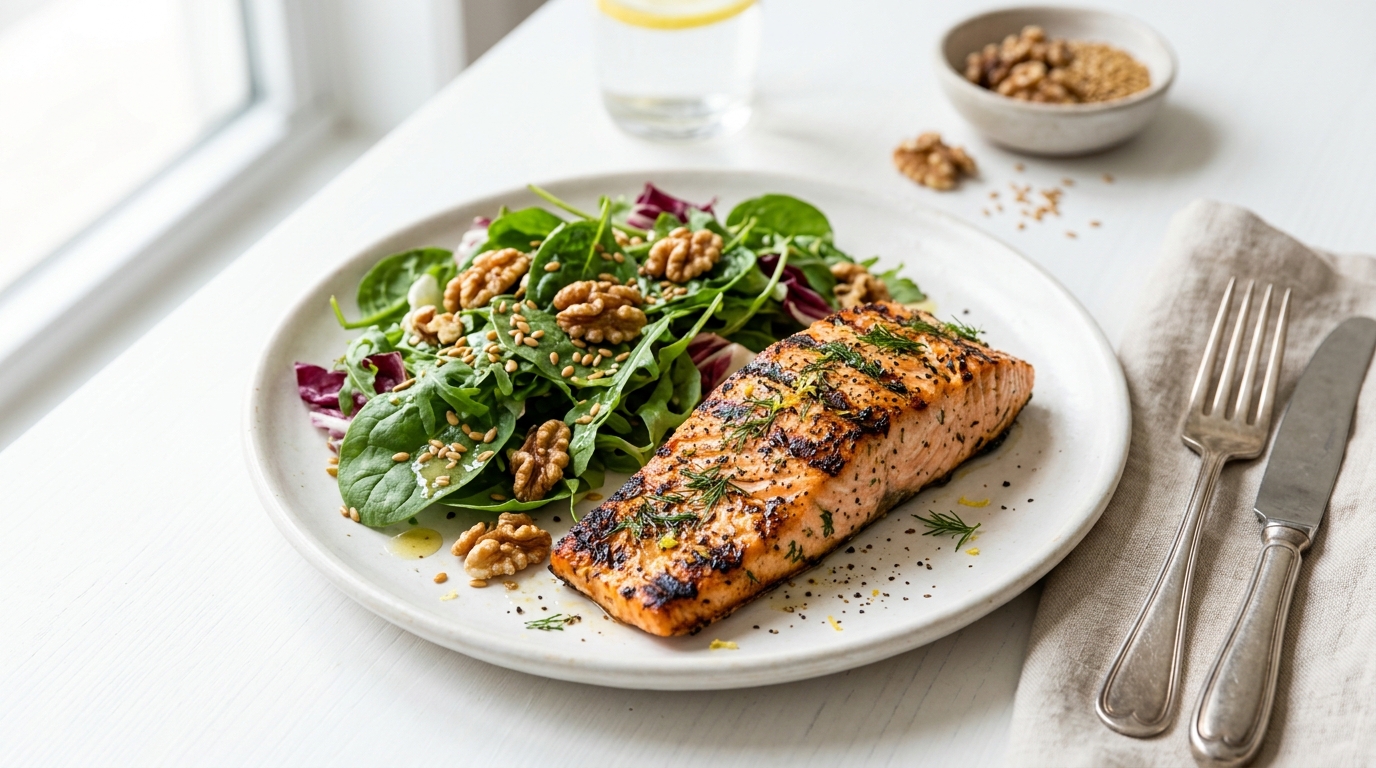
Fatty fish is the most bioavailable and concentrated dietary source of preformed DHA and EPA. Salmon, mackerel, sardines, anchovies, and herring all provide substantial amounts — a single 3-ounce serving of wild-caught salmon, for example, can contain over 1,500 milligrams of combined EPA and DHA, exceeding most recommended daily intake targets. Most nutrition researchers recommend consuming fatty fish at least two to three times per week for optimal brain health benefits.
For those looking to build a diet that comprehensively supports cognitive function, our guide on the best foods for brain health provides a detailed overview of the top dietary choices for long-term brain protection.

6. Walnuts and Plant-Based Omega-3s
Walnuts are the most brain-supportive of all nuts, and notably they are the only commonly consumed nut with a meaningful amount of ALA (alpha-linolenic acid) — the plant-based form of omega-3. The body can convert ALA to EPA and DHA, though the conversion rate is relatively low. Still, regular walnut consumption is associated with improved cognitive test scores, reduced inflammation, and better mood outcomes in population studies. A small daily handful of walnuts — about one ounce — provides a meaningful contribution to omega-3 intake alongside other neuroprotective compounds such as polyphenols and vitamin E.
7. Flaxseeds and Chia Seeds
Flaxseeds and chia seeds are among the richest plant sources of ALA omega-3s per serving. Ground flaxseeds in particular are highly bioavailable and easy to incorporate into oatmeal, smoothies, and baked goods. Chia seeds can be soaked to create a gel-like texture that works well in puddings and overnight oats. While neither replaces fatty fish as a source of preformed DHA and EPA, these seeds make a meaningful contribution for plant-based eaters and those who consume fish less frequently.
8. Algae Oil: The Vegan DHA Source
The DHA in fish comes originally from the algae and microalgae that fish consume. This means algae-derived DHA supplements and algae oil offer a direct, vegan-friendly source of preformed omega-3 that bypasses the conversion limitations of plant-based ALA. Algae oil supplements are increasingly available and are recommended by many nutrition researchers as a practical alternative for those who do not eat fish. Some algae-based products also contain EPA, providing comprehensive omega-3 coverage.
9. Hemp Seeds
Hemp seeds contain a favorable omega-6 to omega-3 ratio, which is important because most Western diets contain far too many omega-6 fatty acids relative to omega-3s. This imbalance promotes inflammation. While hemp seeds do not provide significant amounts of DHA or EPA, they contribute ALA and help correct the omega balance in the overall diet. They are also rich in protein, magnesium, and zinc — all nutrients that support brain health independently. Adding two to three tablespoons of hemp seeds to daily meals supports a more balanced fatty acid profile.
10. Fortified Foods and Daily Integration
For those who struggle to consume adequate omega-3s through whole foods alone, a growing number of fortified products — including some eggs, dairy products, and plant-based milks — are now enhanced with DHA. Choosing fortified options where available provides a practical way to increase omega-3 intake without significant dietary change. Combining fatty fish two to three times weekly with daily additions of walnuts, flaxseeds, or chia seeds, and supplementing with algae oil if needed, creates a comprehensive and sustainable omega-3 strategy for sustained brain health.

Conclusion
Omega-3 fatty acids are not optional extras in a brain-healthy diet — they are structural requirements. DHA shapes the physical architecture of every brain cell, while EPA regulates the inflammatory environment in which those cells operate. Together, they support memory, mood, focus, and long-term protection against cognitive decline. The dietary sources are accessible, well-established, and easy to incorporate consistently: fatty fish, walnuts, flaxseeds, chia seeds, and algae oil. Making omega-3s a daily dietary priority is one of the most evidence-based decisions you can make for your long-term brain health.
Frequently Asked Questions
How much omega-3 do I need per day for brain health? Most health organizations recommend between 250 and 500 milligrams of combined EPA and DHA per day for general brain and cardiovascular health. Some research on mood and cognitive function suggests higher intakes — up to 1,000 to 2,000 milligrams per day — may produce more noticeable cognitive benefits. Consuming fatty fish two to three times per week generally meets or exceeds the lower end of these recommendations for most adults.
Is it better to get omega-3s from food or supplements? Whole food sources of omega-3s — particularly fatty fish — are generally preferred because they provide DHA and EPA in a natural form alongside other brain-supporting nutrients like vitamin D, selenium, and protein. However, for those who do not eat fish, a high-quality algae-derived DHA supplement is a reliable and well-studied alternative. Fish oil supplements are also effective when food sources are insufficient.
What is the difference between ALA, EPA, and DHA? ALA is the plant-based form of omega-3 found in flaxseeds, walnuts, and chia seeds. The body can convert ALA to EPA and DHA, but the conversion rate is quite limited — typically between 5 and 15 percent. EPA and DHA are the long-chain forms found in fatty fish and algae that are directly used by the brain and body. For optimal brain health, consuming direct sources of EPA and DHA is more efficient than relying solely on ALA conversion.
Related Articles
- 10 Best Foods for Brain Health
- Best Foods for Mental Clarity
- Foods That Protect the Brain from Aging