Introduction
Inflammation is the body’s natural defense mechanism. When you injure yourself or fight off an infection, acute inflammation is essential to healing. But when inflammation becomes chronic — persisting in low levels in the absence of a real threat — it becomes one of the most damaging processes affecting long-term health. Chronic inflammation has been linked to a wide range of serious conditions including heart disease, type 2 diabetes, arthritis, cancer, and neurodegenerative diseases like Alzheimer’s. One of the most effective and accessible ways to combat chronic inflammation is through diet. Certain foods contain powerful compounds that have been shown to reduce the production of pro-inflammatory molecules, protect cells from damage, and restore immune balance. Eating these foods consistently — not just occasionally — is the key to meaningful results.
Why Anti-Inflammatory Eating Matters Every Day
The research on inflammation and diet is clear: eating patterns matter more than individual meals. A single serving of blueberries on one day will not undo the effects of a chronically poor diet, just as one unhealthy meal will not erase the benefits of a consistently wholesome eating pattern. The goal of anti-inflammatory eating is to shift the overall dietary environment of your body toward one that produces fewer inflammatory signals over time. This means making certain foods a consistent daily habit while reducing or eliminating foods that promote inflammation — such as refined oils, added sugars, and ultra-processed products.
10 Best Anti-Inflammatory Foods to Eat Daily
1. Fatty Fish
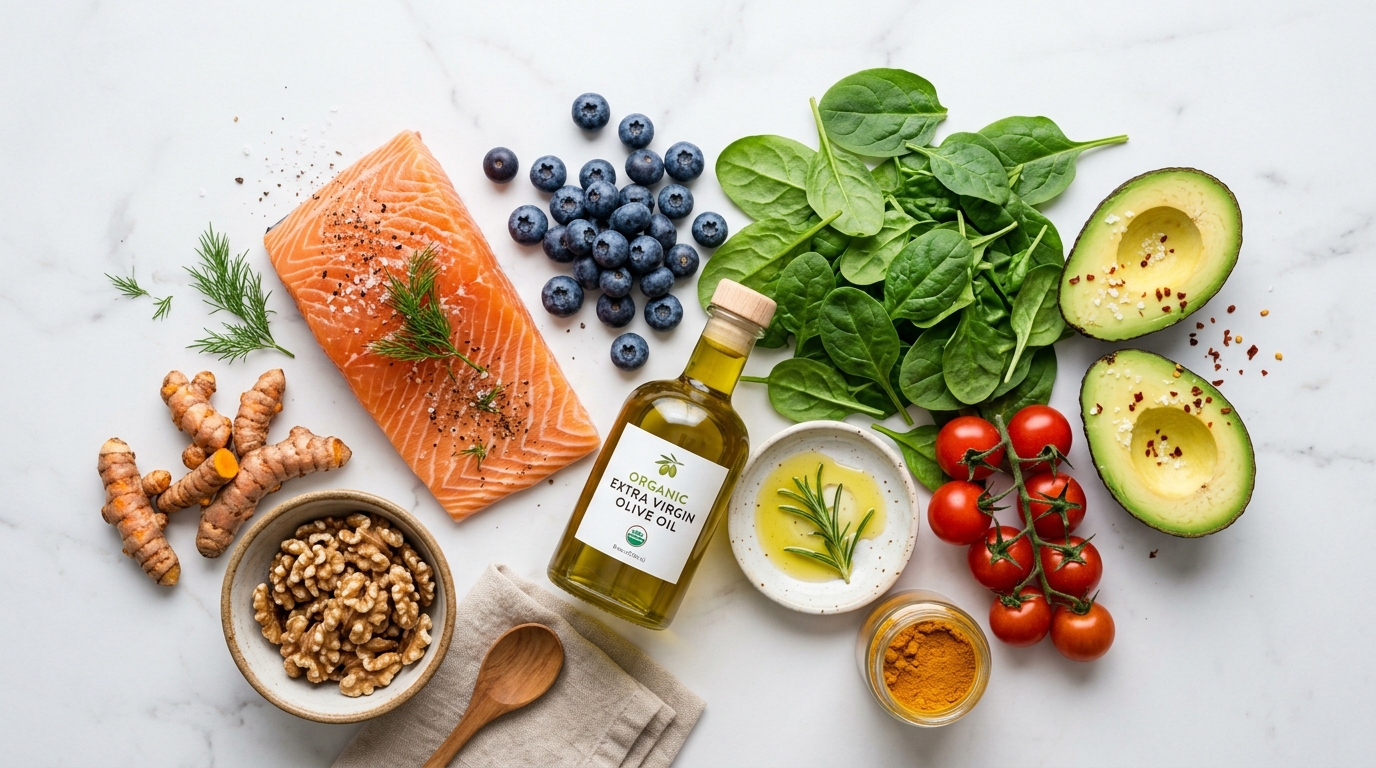
Fatty fish such as salmon, mackerel, sardines, herring, and anchovies are the richest dietary source of the long-chain omega-3 fatty acids EPA and DHA. These omega-3s are converted in the body into signaling molecules called resolvins and protectins, which actively turn off inflammatory processes. This direct anti-inflammatory mechanism makes fatty fish uniquely effective among all foods.
Diets high in omega-3 fatty acids have been associated with lower levels of CRP, IL-6, and other inflammatory biomarkers in blood tests. Eating fatty fish two to three times per week provides a meaningful anti-inflammatory impact. Canned salmon and sardines are affordable, convenient options for those who do not always have access to fresh fish.
2. Blueberries
Blueberries are among the most potent anti-inflammatory fruits available. Their deep blue color comes from anthocyanins, a class of flavonoid antioxidants that have been extensively studied for their ability to suppress NF-kB — a key molecular switch that activates the expression of pro-inflammatory genes. By inhibiting this pathway, anthocyanins help reduce the production of inflammatory cytokines throughout the body.
Regular blueberry consumption has been shown to lower CRP levels and reduce markers of oxidative stress in human studies. Just one cup of blueberries per day provides a substantial anti-inflammatory benefit. Frozen blueberries are equally nutritious and often more affordable than fresh.
3. Extra Virgin Olive Oil
Extra virgin olive oil is a cornerstone of the Mediterranean diet, which is widely regarded as the gold standard anti-inflammatory dietary pattern. Its primary anti-inflammatory compound is oleocanthal, a polyphenol whose mechanism of action closely resembles that of ibuprofen — it inhibits the same enzymes that produce inflammatory prostaglandins, COX-1 and COX-2.
Using extra virgin olive oil as the primary cooking fat and salad dressing provides a daily dose of these anti-inflammatory compounds. It is important to choose high-quality cold-pressed olive oil, as heat and processing destroy many of its beneficial polyphenols.
4. Leafy Greens
Dark leafy greens including spinach, kale, Swiss chard, collard greens, and arugula are rich sources of vitamin K, folate, and a wide array of antioxidants that collectively reduce inflammation at the cellular level. Leafy greens also contain high concentrations of magnesium, a mineral whose deficiency has been associated with elevated inflammation in multiple studies.
Including leafy greens in both lunch and dinner, whether in salads, stir-fries, or soups, makes a significant contribution to daily anti-inflammatory nutrition.
5. Turmeric
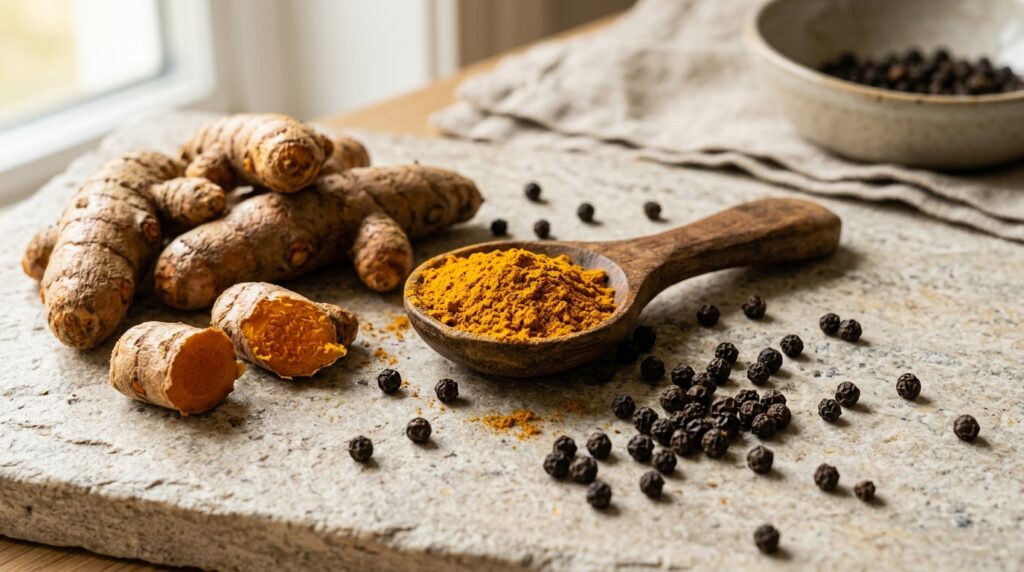
Turmeric is arguably the most studied spice in the world for its anti-inflammatory properties. Its active compound, curcumin, inhibits multiple inflammatory pathways simultaneously — including NF-kB, COX-2, and the production of TNF-alpha, an inflammatory cytokine involved in many chronic diseases.
Combining turmeric with black pepper, which contains piperine, increases curcumin absorption by up to 2,000 percent. Adding a teaspoon of turmeric with a pinch of black pepper to soups, rice dishes, roasted vegetables, or warm drinks daily makes the most of this powerful anti-inflammatory spice.
For more guidance on foods that reduce inflammation through different mechanisms, you may also want to read our guide on Anti-Inflammatory Foods That Fight Chronic Pain.
6. Ginger
Fresh and dried ginger both contain potent anti-inflammatory compounds called gingerols and shogaols that have been shown in clinical studies to reduce inflammatory markers and relieve pain. Ginger works by inhibiting the production of leukotrienes and prostaglandins — key mediators of the inflammatory response — through mechanisms similar to conventional anti-inflammatory medications.
Fresh ginger can be added to stir-fries, teas, soups, and smoothies, while dried ginger works well in seasonings and baked goods. Even small daily amounts — a teaspoon of fresh grated ginger — can provide meaningful anti-inflammatory benefit.
7. Tomatoes
Tomatoes are rich in lycopene, a carotenoid antioxidant that is one of the most potent dietary anti-inflammatory compounds available. Lycopene reduces the expression of inflammatory cytokines and has been associated in research with lower risk of heart disease and certain cancers.
Importantly, lycopene becomes significantly more bioavailable when tomatoes are cooked and consumed with a small amount of fat — making tomato sauce prepared in olive oil an exceptionally effective anti-inflammatory food combination. Canned tomatoes and tomato paste are often higher in bioavailable lycopene than raw tomatoes.
8. Nuts
Walnuts, almonds, and other nuts are valuable sources of anti-inflammatory nutrients including omega-3 fatty acids, vitamin E, and polyphenols. Walnuts in particular contain ALA omega-3s and ellagitannins that have been shown to reduce inflammation markers. Regular nut consumption has been associated in multiple large studies with lower levels of CRP and other inflammatory markers.
A small handful — about one ounce — of nuts each day provides these benefits without excessive caloric intake.
9. Green Tea
Green tea is one of the richest dietary sources of EGCG (epigallocatechin gallate), a catechin that has been shown to be among the most anti-inflammatory compounds found in any food or beverage. EGCG inhibits NF-kB signaling, reduces the production of pro-inflammatory cytokines, and helps protect against the cellular DNA damage caused by oxidative stress.
Drinking two to four cups of green tea per day provides a meaningful anti-inflammatory dose of EGCG. Brewing green tea at lower temperatures — around 175°F rather than boiling — preserves more of its catechin content.
10. Avocados
Avocados contain a unique combination of anti-inflammatory compounds including carotenoids, tocopherols, and plant sterols, as well as monounsaturated oleic acid. Research has shown that consuming avocado with other vegetables significantly increases the absorption of anti-inflammatory carotenoids from those vegetables — making avocado a powerful addition to any salad or vegetable dish.
Adding half an avocado to a meal several times per week is an easy way to increase the overall anti-inflammatory value of your diet.
Conclusion
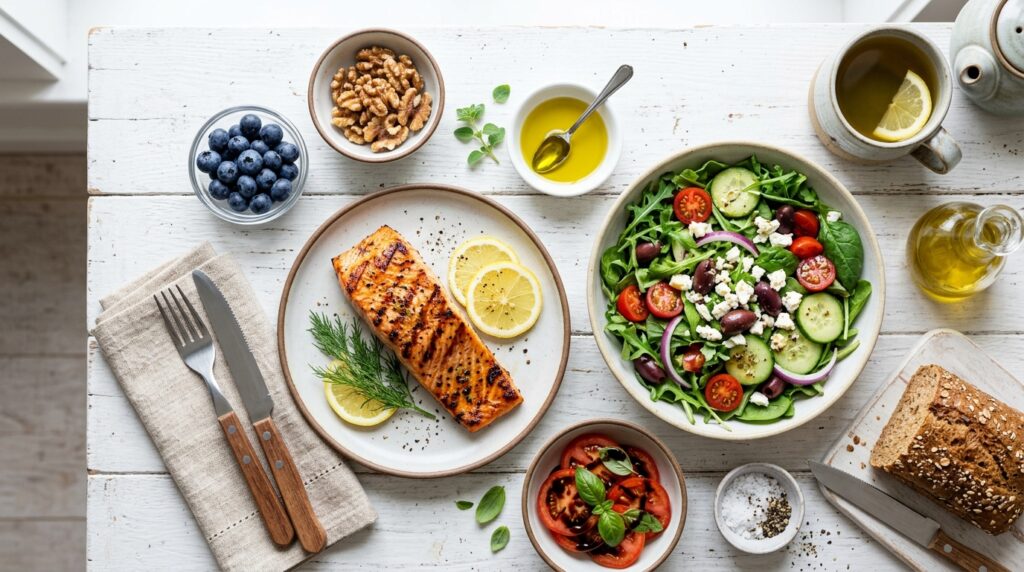
Chronic inflammation is not an inevitable feature of modern life — it is significantly influenced by the foods you choose to eat each day. Incorporating the ten foods discussed here into your regular diet provides a wide spectrum of anti-inflammatory compounds that work through different but complementary mechanisms. Fatty fish, berries, olive oil, leafy greens, turmeric, ginger, tomatoes, nuts, green tea, and avocados represent some of the most evidence-supported dietary tools for reducing chronic inflammation and building long-term health. The key is consistency. Eating these foods daily, rather than sporadically, is what creates the sustained anti-inflammatory environment your body needs to thrive.
Frequently Asked Questions
How long does it take for an anti-inflammatory diet to work? Most people begin to notice improvements in symptoms like joint pain, energy levels, and digestive comfort within two to four weeks of consistently following an anti-inflammatory diet. Measurable reductions in blood inflammatory markers may take six to eight weeks or longer.
Is it necessary to avoid all inflammatory foods to see results? No. The overall balance of your diet matters more than perfection. Consistently eating more anti-inflammatory foods while reducing the most harmful ones — such as refined oils, added sugars, and processed meats — produces meaningful results without requiring strict elimination of all other foods.
Can anti-inflammatory eating help with arthritis pain? Yes. Multiple clinical studies have found that diets rich in omega-3 fatty acids, antioxidants, and polyphenols reduce pain and stiffness in both rheumatoid arthritis and osteoarthritis.
Related Articles
- Anti-Inflammatory Foods That Fight Chronic Pain
- Best Anti-Inflammatory Breakfast Foods
- Best Foods for Brain Health After 50