Introduction
Chronic pain affects hundreds of millions of people worldwide and is one of the leading causes of disability and reduced quality of life. Whether the pain stems from arthritis, fibromyalgia, lower back conditions, or other inflammatory disorders, one common thread connects most types of chronic pain: inflammation. While medications play an important role in pain management, dietary interventions offer a complementary and sometimes remarkably effective approach. Specific foods contain compounds that directly reduce inflammatory signaling, modulate pain pathways, and support the biological conditions for healing and recovery.
Why Food Choices Affect Chronic Pain
The connection between diet and chronic pain is rooted in well-established biochemistry. Pro-inflammatory dietary patterns — those high in refined carbohydrates, omega-6 vegetable oils, red meat, and processed foods — increase the production of arachidonic acid and pro-inflammatory cytokines like IL-1β, IL-6, and TNF-alpha. These molecules directly sensitize pain receptors and lower the threshold at which the nervous system perceives pain. Conversely, anti-inflammatory dietary patterns lower circulating levels of these molecules, reducing the chemical environment that sustains chronic pain.
10 Anti-Inflammatory Foods That Fight Chronic Pain
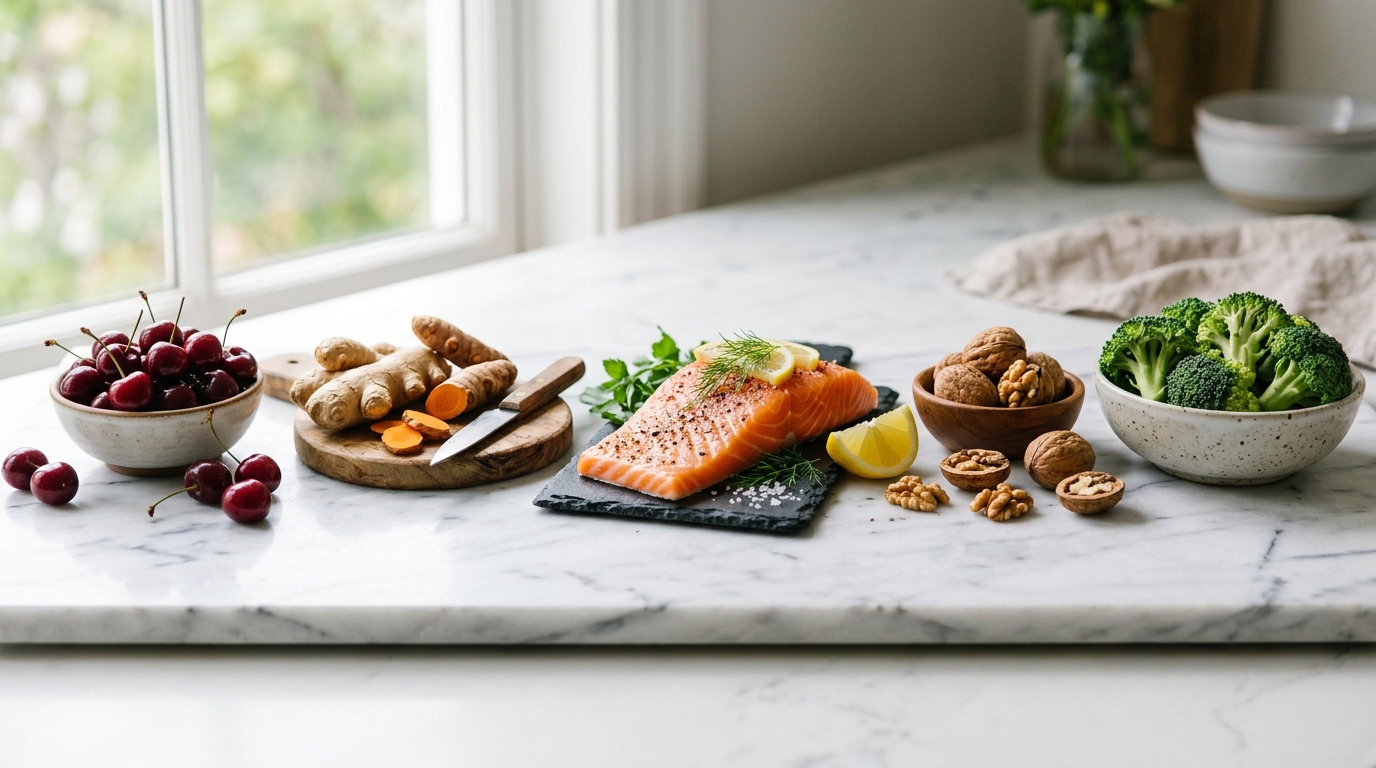
1. Fatty Fish
Fatty fish including salmon, mackerel, sardines, and herring are the gold standard anti-inflammatory food for chronic pain management. Their omega-3 fatty acids — specifically EPA and DHA — are converted in the body into powerful signaling molecules called resolvins, protectins, and maresins. These compounds actively resolve joint inflammation rather than simply suppressing it.
Clinical trials have shown that omega-3 fatty acids reduce joint pain, morning stiffness, and the number of tender and swollen joints in rheumatoid arthritis. Patients with non-specific neck and back pain who consumed fish oil experienced improvements comparable to over-the-counter anti-inflammatory medications. Eating fatty fish two to three times per week provides a therapeutic dose of omega-3s through diet alone.
2. Tart Cherries
Tart cherries contain exceptionally high levels of anthocyanins — particularly cyanidin-3-glucoside and cyanidin-3-rutinoside — that inhibit both COX-1 and COX-2 enzymes, the same targets as common NSAIDs like ibuprofen. Research has shown that tart cherry juice reduces markers of inflammation and muscle pain after exercise, and that regular consumption decreases pain and stiffness in patients with osteoarthritis.
Studies in patients with gout have found that tart cherry intake reduces the frequency of gout attacks by reducing uric acid levels and inflammation simultaneously. Two cups of tart cherry juice daily or a regular serving of the concentrate provides these benefits.
3. Turmeric
Curcumin, the active anti-inflammatory compound in turmeric, inhibits NF-kB, COX-2, and LOX pathways — all of which are central to the biochemistry of chronic inflammatory pain. Clinical studies in patients with rheumatoid arthritis and osteoarthritis have found that curcumin supplementation produces pain relief comparable to standard pharmaceutical anti-inflammatories, with significantly fewer side effects.
This means turmeric may not only reduce joint pain but may also slow the structural progression of joint diseases. Using turmeric with black pepper and healthy fat in daily cooking provides a practical therapeutic strategy for those managing joint conditions.
4. Ginger
Ginger has a long history in traditional medicine as a pain-relieving herb, and modern research has validated this use. Its active compounds — particularly 6-gingerol and 6-shogaol — inhibit the synthesis of prostaglandins and leukotrienes, the primary molecular mediators of pain and inflammation. These mechanisms are similar to those of conventional pain medications, but ginger achieves them without gastrointestinal side effects.
Multiple clinical studies have found that daily ginger supplementation reduces pain intensity in patients with osteoarthritis, dysmenorrhea, and migraine. Adding fresh ginger to teas, smoothies, and cooked dishes daily is a safe and practical way to harness these pain-fighting properties.
5. Leafy Greens
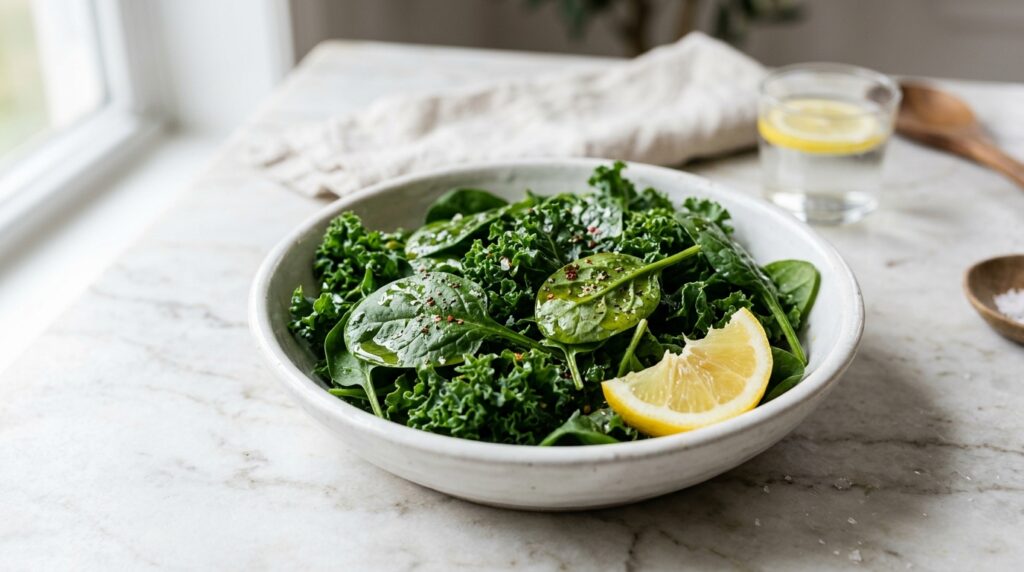
Leafy greens including spinach, kale, and collard greens are rich in magnesium, which regulates NMDA receptors in the central nervous system that are involved in pain amplification. Deficiency in magnesium is associated with increased sensitivity to pain, and studies have shown that magnesium supplementation reduces pain in chronic migraine, neuropathic pain, and fibromyalgia.
Getting magnesium through dietary sources like leafy greens is the safest and most sustainable approach. The anti-inflammatory polyphenols in greens also reduce the cytokine production that sustains chronic pain conditions.
For a broader overview of anti-inflammatory eating strategies, you may want to read our guide on 10 Best Anti-Inflammatory Foods to Eat Daily.
6. Olive Oil
Extra virgin olive oil’s oleocanthal provides direct COX-inhibiting activity that reduces the inflammatory mediators in joint synovial fluid. Research has also found that olive oil polyphenols reduce the expression of genes involved in joint inflammation and may slow the production of inflammatory cytokines by synovial cells — the cells lining the joint space.
Mediterranean populations who use olive oil as their primary fat source have been shown to have significantly lower rates of inflammatory conditions and chronic pain disorders compared to populations consuming diets high in refined vegetable oils.
7. Walnuts
Walnuts contain ALA omega-3 fatty acids and ellagitannins — polyphenols that are converted by gut bacteria into the powerful anti-inflammatory compound urolithin A. Together, these components reduce systemic inflammation and have been shown to lower levels of CRP and other inflammatory biomarkers associated with chronic pain conditions.
A daily handful of walnuts — approximately one ounce — is a simple and effective addition to a pain-management diet.
8. Broccoli and Cruciferous Vegetables
Broccoli contains sulforaphane, a compound that blocks a key enzyme that drives joint destruction in inflammatory arthritis. Sulforaphane activates the Nrf2 pathway — a cellular defense system that reduces oxidative stress and inflammation while promoting the production of the body’s own protective antioxidant enzymes.
Cruciferous vegetables also contain high levels of vitamin C, which is essential for the synthesis of collagen — the main structural protein of cartilage. Eating one to two cups of cruciferous vegetables daily provides meaningful sulforaphane content.
9. Green Tea
The EGCG in green tea inhibits the production of the inflammatory cytokines that drive joint inflammation and cartilage damage, while its antioxidant properties help reduce the oxidative stress that accompanies chronic pain conditions. Multiple studies have found that EGCG reduces markers of joint inflammation and pain in arthritis models.
Drinking three to four cups of green tea daily provides a therapeutic dose of EGCG while also contributing to hydration, which supports joint lubrication and overall pain management.
10. Berries
Beyond blueberries, a variety of berries including strawberries, raspberries, blackberries, and cranberries all contribute to pain reduction through their anthocyanin and ellagic acid content. Studies specifically on strawberry consumption have found reductions in CRP and blood markers of inflammation in overweight adults.
Eating a mixed variety of berries provides a broader spectrum of anti-inflammatory phytochemicals than relying on a single type. Adding a cup of mixed frozen berries to smoothies, oatmeal, or yogurt daily is a practical and enjoyable way to increase anti-inflammatory phytonutrient intake.
Conclusion
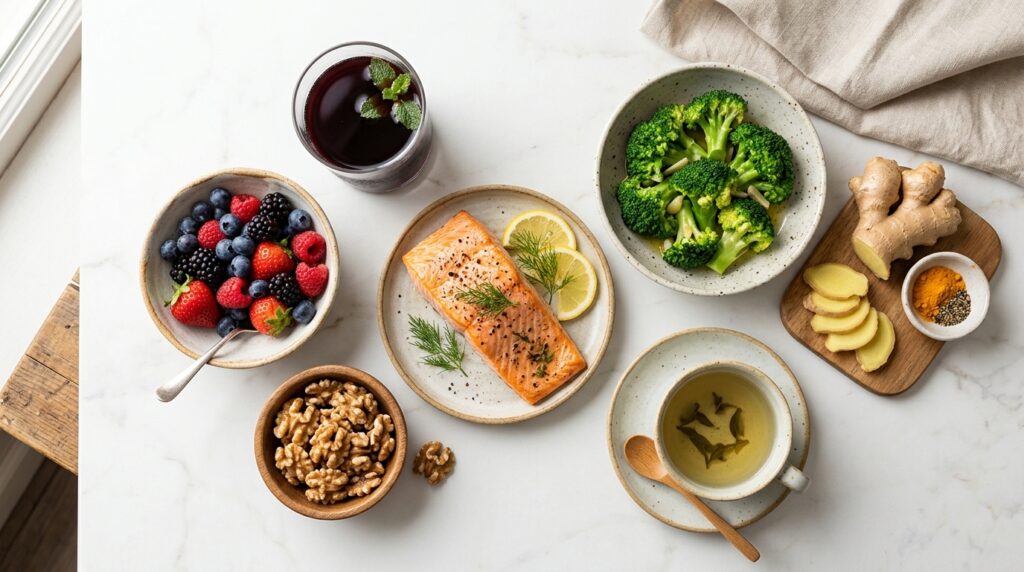
Chronic pain is complex, and no single food or dietary change will eliminate it entirely. However, a consistent dietary pattern rich in anti-inflammatory foods represents one of the most powerful non-pharmacological tools available for pain management. The foods discussed here — from fatty fish and tart cherries to turmeric, ginger, and olive oil — work through well-established biochemical pathways to reduce the inflammation that sustains chronic pain. Building these foods into your daily eating habits, alongside appropriate medical care, can meaningfully reduce pain intensity, improve function, and enhance quality of life over time.
Frequently Asked Questions
Which foods cause the most inflammation and pain? Foods that most reliably worsen inflammation and chronic pain include refined vegetable oils high in omega-6 fatty acids, added sugars, refined white flour products, processed meats, and alcohol. Reducing these foods is as important as adding anti-inflammatory options.
Is a vegan diet better for chronic pain? Not necessarily. Both plant-based and omnivorous diets can be highly anti-inflammatory depending on food quality. The key factors are the absence of ultra-processed foods and the presence of anti-inflammatory whole foods, regardless of dietary pattern.
How quickly can diet reduce inflammatory pain? Some people with acute inflammation-based conditions notice meaningful pain reduction within two to four weeks of consistently following an anti-inflammatory diet. For chronic conditions, sustained improvement typically requires six to twelve weeks of consistent dietary change.
Related Articles
- 10 Best Anti-Inflammatory Foods to Eat Daily
- Best Anti-Inflammatory Herbs and Spices
- Best Foods for Brain Health After 50