Introduction
Joint pain and inflammation are among the most common health complaints affecting people in middle age and beyond. Whether the cause is osteoarthritis, rheumatoid arthritis, gout, or psoriatic arthritis, chronic joint inflammation is a significant driver of pain, stiffness, and reduced mobility. While medications play an important role in managing these conditions, diet represents a powerful complementary strategy that is often underutilized. Specific foods contain compounds that directly target the inflammatory pathways most relevant to joint health — reducing cytokine production, protecting cartilage from enzymatic degradation, lubricating joints, and slowing the cellular damage that accelerates joint deterioration.
Why Diet Matters for Joints Specifically
The joints are lined with synovial membrane, a tissue that produces the lubricating fluid that allows joints to move smoothly. In inflammatory arthritis, the immune system attacks this membrane, triggering an inflammatory cascade that damages cartilage and bone over time. In osteoarthritis, wear-related stress activates inflammatory pathways in cartilage cells that accelerate their breakdown. In both cases, systemic inflammation significantly influences the speed and severity of joint deterioration. Dietary patterns that reduce systemic inflammation demonstrably slow the progression of joint conditions, reduce pain intensity, and improve physical function.
10 Anti-Inflammatory Foods for Joint Health
1. Fatty Fish
No food has a stronger evidence base for joint health than fatty fish. The EPA and DHA in salmon, mackerel, sardines, and herring are converted in the body into resolvins and protectins — molecules that directly resolve joint inflammation rather than simply suppressing it. Multiple large clinical trials have shown that omega-3 fatty acids reduce joint pain, morning stiffness, and the number of tender and swollen joints in rheumatoid arthritis.
The anti-inflammatory effect of omega-3s on joints is well-established enough that major rheumatology organizations recognize dietary fish and omega-3 supplementation as part of comprehensive management strategies for inflammatory arthritis. Eating fatty fish two to three times per week is the most evidence-based dietary choice for joint health.
2. Tart Cherries
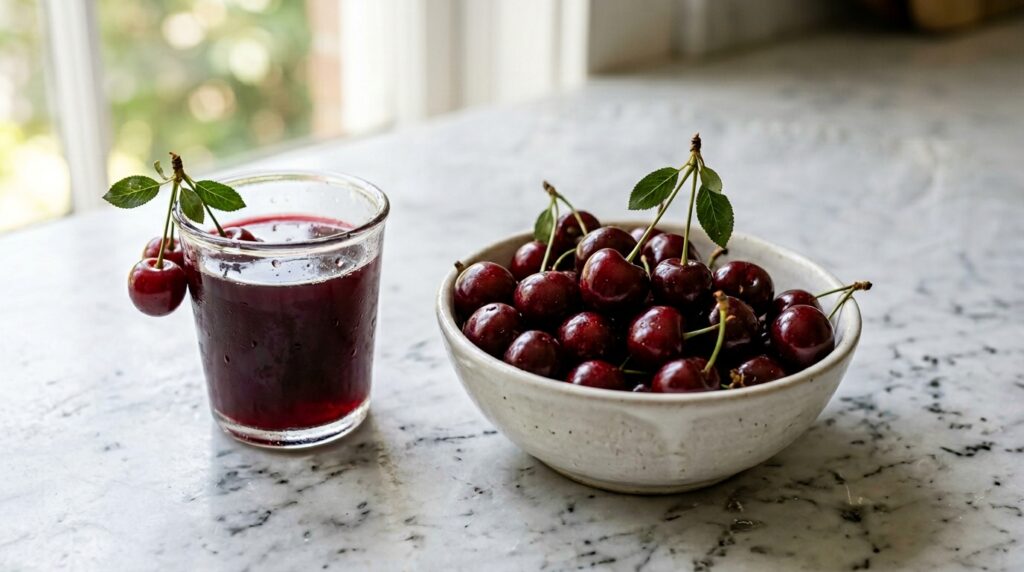
Tart cherries are one of the most specifically studied foods for joint health and arthritis-related inflammation. Their anthocyanins inhibit both COX-1 and COX-2 enzymes — the same molecular targets as common NSAID pain medications. Research has shown that tart cherry juice reduces markers of inflammation and muscle pain after exercise, and that regular consumption significantly decreases pain and stiffness in osteoarthritis patients.
Studies in patients with gout have found that tart cherry intake reduces the frequency of gout attacks by reducing uric acid levels and inflammation simultaneously. Two cups of tart cherry juice daily or a regular serving of the concentrate provides clinically relevant anthocyanin levels.
3. Turmeric
Curcumin from turmeric has been specifically evaluated for joint conditions in multiple clinical trials. A 2016 review found that curcumin supplementation significantly reduced joint pain and improved physical function in osteoarthritis patients, with effects comparable to ibuprofen in some trials. Curcumin’s anti-inflammatory mechanisms are particularly relevant to joint health: it inhibits the expression of enzymes that break down cartilage matrix proteins, including aggrecanases and matrix metalloproteinases.
This means turmeric may not only reduce joint pain but may also slow the structural progression of joint diseases. Using turmeric with black pepper and healthy fat in daily cooking provides a practical therapeutic strategy.
4. Broccoli and Cruciferous Vegetables
Broccoli contains sulforaphane, a compound specifically studied for its effects on joint inflammation. Research published in Arthritis and Rheumatism found that sulforaphane blocks a key enzyme involved in the inflammatory response in arthritic joints. Sulforaphane also activates the Nrf2 pathway, which reduces oxidative stress in joint tissues and may slow the enzymatic breakdown of cartilage.
Cruciferous vegetables also contain high levels of vitamin C, which is essential for the synthesis of collagen — the main structural protein of cartilage. Eating broccoli, cauliflower, kale, and Brussels sprouts regularly provides these joint-protective compounds.
5. Ginger
Ginger’s anti-inflammatory compounds — particularly 6-gingerol and 6-shogaol — directly inhibit prostaglandin synthesis and reduce the production of inflammatory mediators in joint tissues. Clinical studies in patients with knee osteoarthritis have found that regular ginger supplementation reduces pain and improves physical function over periods of six to twelve weeks.
A ginger and turmeric tea consumed daily provides a synergistic combination of two of the most powerful anti-inflammatory compounds for joint health. Fresh ginger added to meals daily is a safe and practical approach.
For more on reducing pain through your diet, you may also want to read our guide on Anti-Inflammatory Foods That Fight Chronic Pain.
6. Olive Oil
Extra virgin olive oil’s oleocanthal provides direct COX-inhibiting activity that reduces the inflammatory mediators in joint synovial fluid. Research has also found that olive oil polyphenols reduce the expression of genes involved in joint inflammation and may slow the production of inflammatory cytokines by synovial cells — the cells lining the joint space.
The Mediterranean diet, which centers on olive oil as the primary fat, has been associated in multiple studies with significantly lower rates of inflammatory arthritis and slower progression of joint conditions.
7. Berries
Beyond tart cherries, other berries provide anthocyanins and ellagic acid that reduce inflammation in joint tissues. Strawberries are particularly notable — a clinical study found that consuming strawberries daily for twelve weeks significantly reduced pain, stiffness, and inflammatory markers in osteoarthritis patients. The vitamin C in strawberries also supports collagen synthesis for joint cartilage maintenance.
A daily cup of mixed berries — blueberries, strawberries, raspberries, and blackberries — provides the broadest spectrum of anti-inflammatory phenolic compounds for joint protection.
8. Walnuts
Walnuts are the most joint-relevant tree nut because of their ALA omega-3 content and their polyphenol profile. Regular walnut consumption has been associated in studies with reductions in CRP, the blood marker most closely associated with systemic inflammation and arthritic joint disease severity. The ellagitannins in walnuts are converted by gut bacteria into urolithin A, which has been shown to reduce inflammatory gene expression in joint-relevant cells.
For those who do not regularly eat fatty fish, walnuts represent one of the most important complementary omega-3 sources available. A daily handful provides consistent joint-supportive anti-inflammatory nutrition.
9. Garlic and Onions
Garlic and onions both belong to the allium family and contain sulfur compounds — particularly allicin in garlic and quercetin in onions — that have demonstrated anti-inflammatory effects in joint tissues. Research has suggested that populations with higher allium vegetable consumption have lower rates of hip osteoarthritis, and laboratory research has shown that diallyl disulfide from garlic limits the activity of cartilage-damaging enzymes.
Quercetin in onions is one of the most studied flavonoids for anti-inflammatory effects, inhibiting NF-kB and COX-2 signaling. Both garlic and onions can be incorporated into virtually any savory dish — soups, sauces, roasted vegetables, and salad dressings.
10. Green Tea
The EGCG in green tea specifically inhibits the production of cytokines and enzymes responsible for cartilage degradation in arthritic joints. Laboratory research has found that EGCG blocks the activity of interleukin-1β — a key cytokine that drives joint inflammation in both osteoarthritis and rheumatoid arthritis — and reduces the expression of matrix metalloproteinases that destroy cartilage matrix proteins.
Population studies from Asia, where green tea consumption is high, have shown associations between regular green tea drinking and lower rates of joint conditions. Drinking two to four cups of green tea daily provides a sustained daily dose of EGCG with meaningful cartilage-protective potential.
Conclusion
Joint health is one of the areas where the anti-inflammatory diet has some of its strongest clinical evidence. Foods like fatty fish, tart cherries, turmeric, broccoli, and olive oil have been studied specifically in the context of arthritis and joint conditions, and the results are consistently positive. Building these foods into daily eating habits does not eliminate the need for medical treatment of joint diseases, but it complements conventional approaches in ways that can meaningfully reduce pain, slow structural deterioration, and improve quality of life. For anyone dealing with chronic joint issues, an anti-inflammatory dietary approach is one of the most accessible and evidence-supported self-management strategies available.
Frequently Asked Questions
Which diet is best for someone with rheumatoid arthritis? The Mediterranean diet is most consistently associated with reduced disease activity and lower inflammatory markers in rheumatoid arthritis. It emphasizes fatty fish, olive oil, vegetables, legumes, and whole grains while limiting processed foods and red meat.
Can dietary changes reduce joint pain in osteoarthritis? Yes. Multiple clinical studies have found that anti-inflammatory dietary changes — including increased fish consumption, tart cherry intake, and olive oil use — reduce pain scores and improve physical function in osteoarthritis patients.
Does sugar worsen joint inflammation? Yes. High added sugar intake raises inflammatory markers including CRP and promotes the formation of advanced glycation end products that damage cartilage proteins and accelerate joint deterioration. Reducing added sugar is one of the most impactful changes for joint health.
Related Articles
- Anti-Inflammatory Foods That Fight Chronic Pain
- Best Anti-Inflammatory Herbs and Spices
- 10 Best Anti-Inflammatory Foods to Eat Daily