Introduction
Your gut is home to trillions of microorganisms — bacteria, fungi, and viruses — collectively known as the gut microbiome. While the idea of living with trillions of tiny organisms might sound unsettling, these microbes play an essential role in keeping you healthy.
In recent years, research has revealed that the gut microbiome influences far more than just digestion. From your immune function to your mental health, your energy levels to your skin condition, the balance of your gut microbiome has a profound impact on your overall well-being.
In this article, we explore exactly how your gut microbiome affects your overall health and what you can do to support it through diet and daily lifestyle choices.
Why Your Gut Microbiome Matters
The gut microbiome is one of the most complex ecosystems on Earth. A balanced, diverse microbiome supports digestion, nutrient absorption, immune defense, and the production of key hormones and neurotransmitters. When this balance is disrupted — a condition known as dysbiosis — it can contribute to a wide range of health problems including digestive disorders, chronic inflammation, mood disturbances, and metabolic conditions.
Understanding how your gut microbiome works gives you the tools to make informed dietary choices that protect and strengthen it for long-term health.
How Your Gut Microbiome Affects Your Overall Health
1. Supports Digestive Function
The most well-known role of the gut microbiome is aiding digestion. Beneficial bacteria help break down complex carbohydrates, dietary fiber, and certain proteins that the human digestive system cannot process alone. This fermentation process produces short-chain fatty acids such as butyrate, which nourish the cells lining the colon and support healthy, regular bowel movements. A diverse microbiome significantly reduces the likelihood of bloating, constipation, and irregular digestion.
2. Strengthens the Immune System
Approximately 70 percent of your immune system is located in the gut. The microbiome plays a direct role in training immune cells to distinguish between harmful pathogens and harmless substances. Beneficial bacteria help regulate immune responses, reducing the risk of overreactions that can lead to allergies or autoimmune conditions. A well-balanced gut microbiome acts as a first line of defense against infections and seasonal illness.
3. Influences Mental Health Through the Gut-Brain Axis
The gut and brain communicate constantly through a network called the gut-brain axis, which involves the vagus nerve, hormones, and neurotransmitters. Gut bacteria produce approximately 90 percent of the body’s serotonin — the neurotransmitter most closely associated with mood regulation. Research has linked poor gut microbiome diversity to higher rates of anxiety, depression, and cognitive difficulties. If you’re interested in how nutrition can support mental wellness, you may also want to read our guide on foods that reduce stress and support relaxation naturally.
4. Regulates Metabolism and Body Weight
The gut microbiome influences how efficiently the body extracts energy from food and how fat is stored. Studies have shown that individuals with less diverse gut bacteria tend to face a higher risk of obesity and metabolic conditions such as type 2 diabetes. Certain gut bacteria also help regulate appetite hormones like ghrelin and leptin, which control hunger and fullness signals. Supporting your microbiome with fiber-rich foods can contribute to healthier, more sustainable weight management.
5. Protects Against Chronic Inflammation
Chronic low-grade inflammation is a root cause of many serious health conditions, including heart disease, arthritis, and certain cancers. A healthy, diverse gut microbiome helps keep inflammatory pathways in check by producing anti-inflammatory compounds and preventing harmful bacteria from triggering prolonged immune responses. Diets high in processed foods and sugar reduce beneficial bacteria and increase inflammation, while plant-rich diets consistently support the opposite effect.

6. Supports Nutrient Absorption
The gut microbiome directly affects how well your body absorbs essential nutrients from food. Beneficial bacteria help produce vitamins such as B12, K2, and folate, and enhance the absorption of minerals including calcium, magnesium, and iron. A disrupted microbiome can impair nutrient uptake even when your diet appears adequate, leading to nutritional deficiencies over time.
7. Affects Skin Health
The gut-skin connection is increasingly supported by scientific research. Dysbiosis has been linked to common skin conditions including acne, eczema, psoriasis, and rosacea. Inflammatory signals from an imbalanced gut can manifest as skin irritation and breakouts. Conversely, supporting a healthy microbiome with probiotic and prebiotic foods may help reduce skin inflammation and visibly improve complexion over time.
8. Regulates Hormone Balance
Gut bacteria play a meaningful role in the metabolism and regulation of hormones, including estrogen, cortisol, and insulin. A specific group of gut bacteria called the estrobolome helps regulate estrogen levels in the body. Imbalances in this group have been associated with conditions such as PMS, endometriosis, and hormonal weight gain. Supporting gut health through a diverse, fiber-rich diet may contribute to more stable hormonal balance.
9. Influences Sleep Quality
The gut microbiome affects the production of melatonin and other compounds involved in the sleep-wake cycle. Research has found associations between gut dysbiosis and disrupted sleep patterns, including difficulty falling asleep and reduced sleep quality. A balanced microbiome, supported by consistent mealtimes and a plant-rich diet, may help improve both sleep onset and overall sleep duration.
10. Protects Against Chronic Disease
A growing body of research links gut microbiome diversity to protection against a wide range of chronic diseases, including type 2 diabetes, cardiovascular disease, colorectal cancer, and neurodegenerative conditions such as Alzheimer’s disease. While research is still evolving, the evidence strongly suggests that maintaining a healthy, diverse microbiome through food and lifestyle is one of the most powerful investments you can make in your long-term health.
Conclusion
The gut microbiome is far more than a digestive aid. It functions as a central hub that influences your immune system, mental health, metabolism, skin condition, hormonal balance, and protection against chronic disease. The good news is that your microbiome is highly responsive to lifestyle changes, particularly the foods you eat.
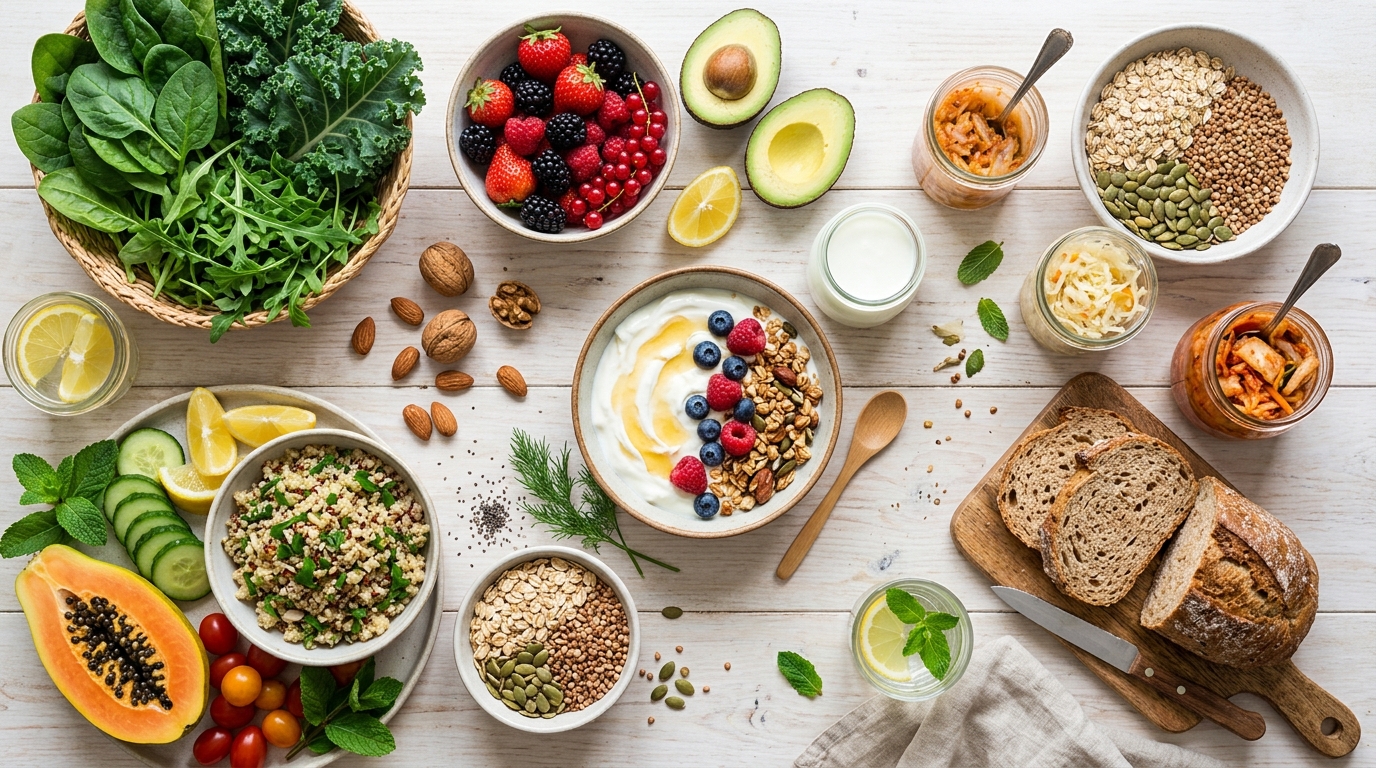
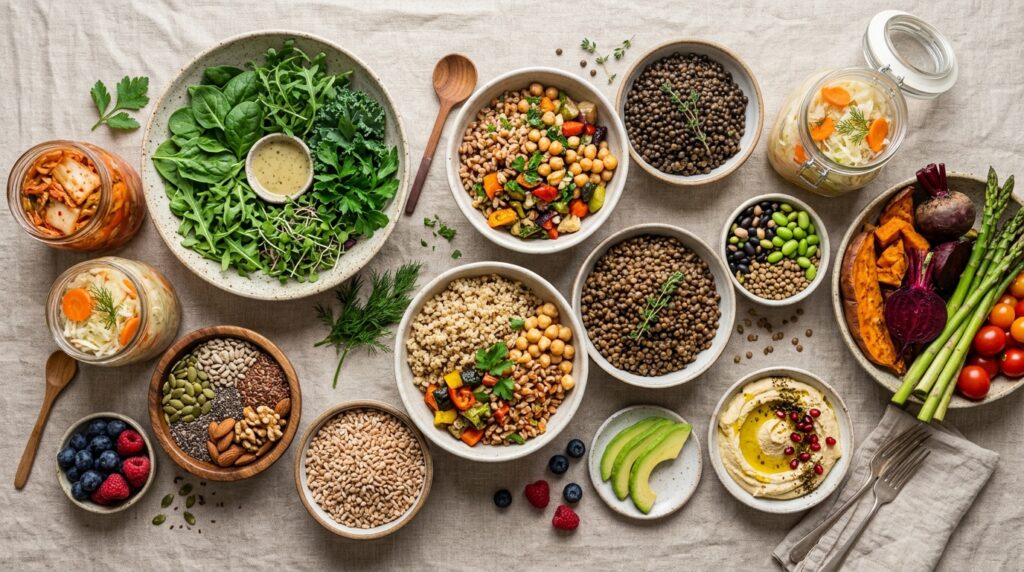
Eating a diverse range of whole foods — especially fiber-rich vegetables, legumes, whole grains, and fermented foods — is one of the most effective strategies for nurturing a thriving gut microbiome. Reducing ultra-processed foods, managing stress, staying physically active, and getting adequate sleep also play significant roles.
Small, consistent steps toward better gut health can lead to meaningful improvements in how you feel, think, and function every single day.
Frequently Asked Questions
What is the gut microbiome? The gut microbiome refers to the vast community of microorganisms — including bacteria, fungi, and viruses — that live in the digestive tract. These organisms play critical roles in digestion, immune function, mental health, metabolism, and many other aspects of overall well-being.
How does diet affect the gut microbiome? Diet has a direct and significant impact on the composition of the gut microbiome. Diets rich in fiber, fermented foods, and plant variety support beneficial bacteria and promote microbiome diversity. Diets high in processed foods, refined sugar, and saturated fat tend to reduce diversity and promote the growth of harmful bacterial strains.
What are the signs of an unhealthy gut microbiome? Common signs of gut dysbiosis include bloating, irregular bowel movements, persistent fatigue, frequent illness, skin breakouts, mood changes, and food sensitivities. If these symptoms are persistent, reviewing your diet and speaking with a healthcare professional is a worthwhile step.
Related Articles
10 Best Foods for Gut Health Best Probiotic Foods for a Healthy Gut Foods That Improve Digestion