Introduction
The term “superfood” gets used a lot, but behind the marketing language lies a genuinely useful concept: some foods are so densely packed with nutrients that eating them regularly can have a meaningful impact on your health. These are foods that deliver exceptional amounts of vitamins, minerals, antioxidants, healthy fats, and fiber relative to their calorie content. They are not miracle cures, but they are among the most effective dietary tools available for supporting long-term wellness.
If you want to build a diet that consistently fuels your body, reduces inflammation, and lowers the risk of chronic disease, knowing which superfoods to prioritize — and actually eating them daily — is a smart place to start.
Why Superfoods Deserve a Place in Your Daily Diet
Research consistently shows that the overall pattern of your diet matters more than any single food or nutrient. But certain foods appear again and again in studies examining populations with low rates of chronic disease, strong cognitive health, and exceptional longevity. These foods tend to share a set of characteristics: they are rich in antioxidants, anti-inflammatory compounds, fiber, and micronutrients that most people do not consume in sufficient quantities.
Adding even a handful of these foods to your daily routine can meaningfully improve your nutritional baseline without requiring a complete overhaul of how you eat.
10 Best Superfoods You Should Eat Daily
1. Blueberries
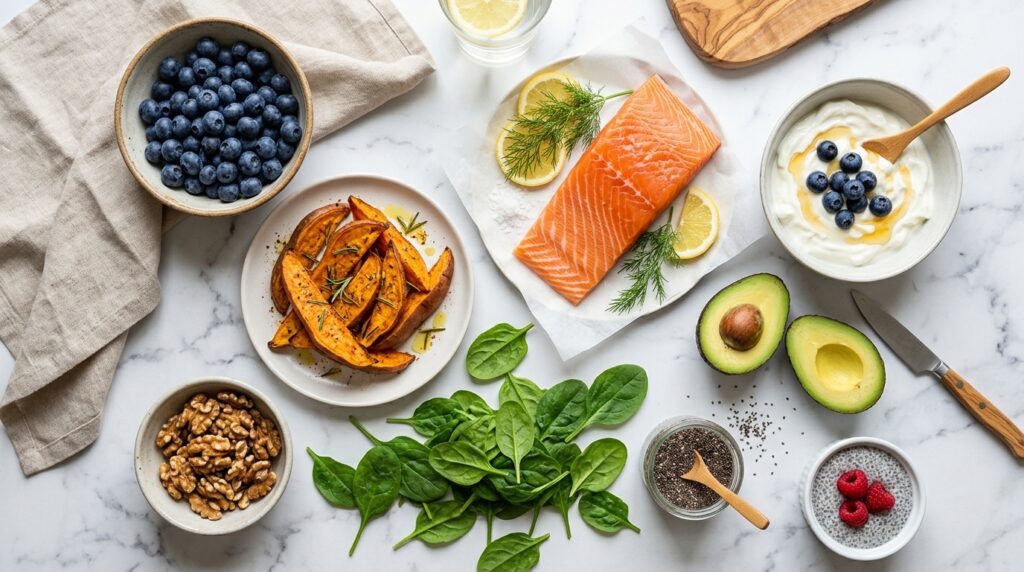
Blueberries are among the most antioxidant-rich foods on the planet. They are particularly high in anthocyanins, a class of plant pigments that give them their deep blue color and have been linked to improved memory, reduced oxidative stress, and better cardiovascular health. They also provide vitamin C, vitamin K, manganese, and dietary fiber. Fresh or frozen, blueberries are equally nutritious and easy to add to oatmeal, smoothies, or yogurt.
2. Leafy Greens
Spinach, kale, Swiss chard, and arugula are nutritional powerhouses that deliver vitamin K, folate, magnesium, iron, calcium, and a wide range of protective antioxidants for very few calories. Dark leafy greens also contain lutein and zeaxanthin, compounds that support eye health and reduce the risk of age-related macular degeneration. Including a large portion of leafy greens in at least one meal per day is one of the highest-return dietary habits you can establish.
3. Salmon
Wild-caught salmon is one of the best dietary sources of omega-3 fatty acids, which reduce inflammation, support brain function, and protect cardiovascular health. It also provides high-quality protein, vitamin D, vitamin B12, selenium, and astaxanthin, a powerful antioxidant that gives salmon its pink color. Consuming salmon two to three times per week delivers significant benefits, but even once weekly makes a meaningful contribution to omega-3 intake.
4. Avocados
Avocados are unique among fruits for their high content of heart-healthy monounsaturated fats, particularly oleic acid. They are also rich in potassium, folate, vitamin K, vitamin C, and vitamin E. The fat in avocados enhances the absorption of fat-soluble nutrients from other foods eaten in the same meal, making them a valuable addition to salads and vegetable dishes. Their fiber content also supports digestive health and sustained satiety.
5. Chia Seeds
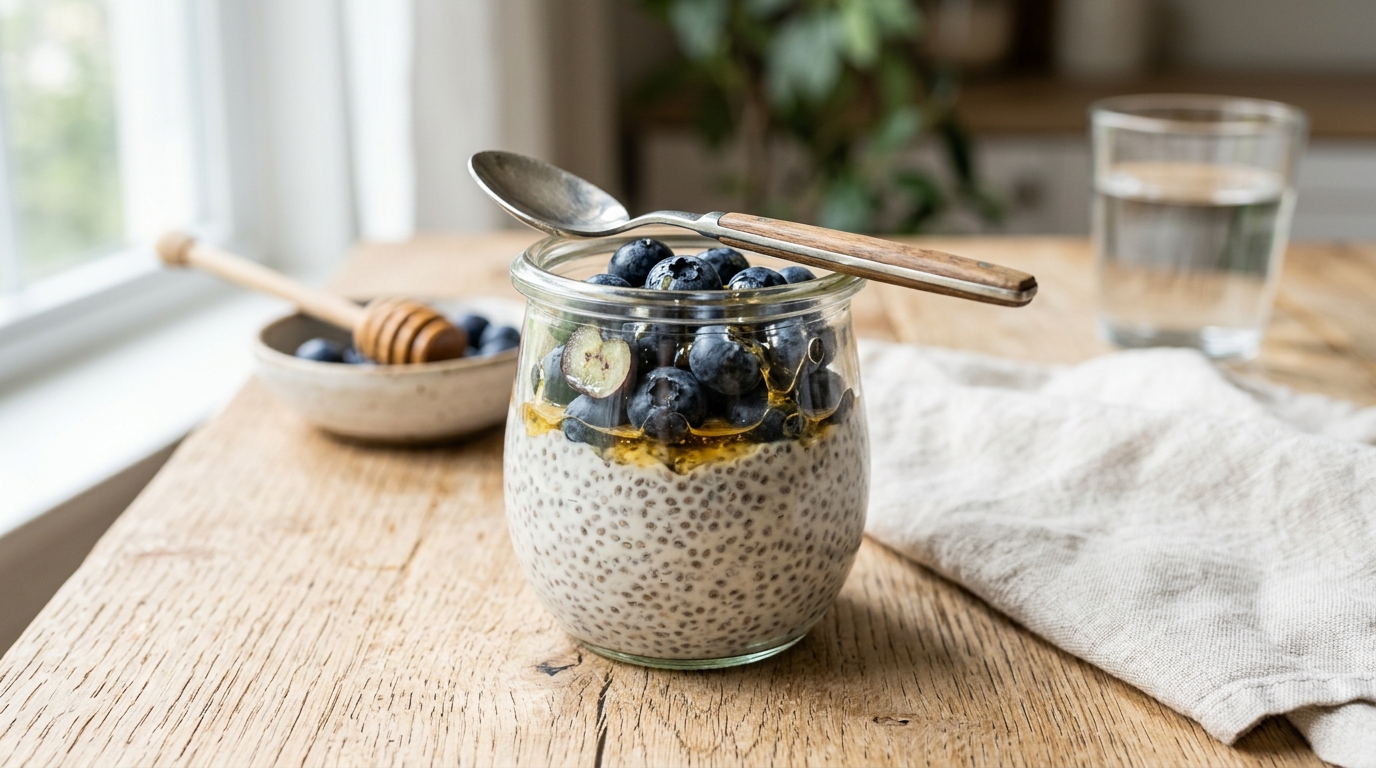
Despite their small size, chia seeds pack an impressive nutritional profile. They are rich in omega-3 fatty acids, dietary fiber, calcium, magnesium, phosphorus, and plant-based protein. A single two-tablespoon serving provides nearly 10 grams of fiber, which supports digestive health and helps regulate blood sugar. Chia seeds absorb liquid and expand, making them a filling addition to smoothies, puddings, oatmeal, or overnight oats.
If you are looking to build more structure around how these foods fit into a complete daily eating plan, our guide on the best foods for daily nutrient intake offers a broader look at the most nutritionally valuable whole foods to include consistently.

6. Walnuts
Walnuts are the only tree nut with a significant amount of plant-based omega-3 fatty acids, specifically alpha-linolenic acid. They also provide vitamin E, magnesium, copper, manganese, and a range of polyphenols with anti-inflammatory properties. Regular walnut consumption has been associated with improved brain health, better cholesterol profiles, and reduced markers of inflammation. A small handful each day is sufficient to reap these benefits.
7. Green Tea
Green tea is more than a beverage — it is a concentrated source of catechins, particularly epigallocatechin gallate (EGCG), one of the most studied plant antioxidants. These compounds have been linked to reduced inflammation, improved brain function, enhanced fat metabolism, and lower risk of certain chronic diseases. Drinking one to three cups of green tea daily is a simple and enjoyable way to add meaningful antioxidant support to your routine.
8. Garlic
Garlic has been used medicinally for thousands of years, and modern research continues to validate many of its health benefits. Its active compound allicin, released when garlic is chopped or crushed, has demonstrated antibacterial, antiviral, and anti-inflammatory properties. Garlic also supports cardiovascular health by helping to reduce blood pressure and LDL cholesterol levels. Adding fresh garlic to sauces, soups, and roasted vegetables is one of the easiest ways to boost the health value of everyday meals.
9. Sweet Potatoes
Sweet potatoes are one of the most nutritious complex carbohydrates available. They are exceptionally rich in beta-carotene, the precursor to vitamin A, which supports immune function, skin health, and vision. They also provide vitamin C, potassium, manganese, and B vitamins. Their natural fiber content slows digestion and promotes steady energy release, making them a superior alternative to refined carbohydrate sources.
10. Greek Yogurt
Greek yogurt delivers a concentrated combination of protein, calcium, phosphorus, vitamin B12, and live probiotic cultures that support gut health. Its high protein content promotes satiety and muscle maintenance, while the probiotics contribute to a healthy gut microbiome that influences digestion, immunity, and even mood. Choosing plain, unsweetened Greek yogurt and adding your own fruit or a drizzle of honey allows you to enjoy its benefits without the excess sugar found in many flavored varieties.
Conclusion
You do not need to eat every superfood on this list every single day to see results. The goal is consistency over perfection. Start by identifying two or three of these foods that are easy to incorporate into your current routine, and build from there. Over time, making superfoods a regular part of your diet creates a nutritional foundation that supports your energy, immunity, cognitive function, and long-term health in ways that no single supplement can replicate.
Frequently Asked Questions
What qualifies a food as a superfood? There is no official scientific or regulatory definition of a superfood. The term is generally used to describe foods that are exceptionally rich in nutrients relative to their calorie content, particularly those containing high concentrations of antioxidants, anti-inflammatory compounds, fiber, vitamins, or minerals that have been linked to measurable health benefits.
Can I eat superfoods every day without any downsides? Most of the superfoods on this list are safe and beneficial to consume daily for the vast majority of people. However, variety is important — no single food provides everything your body needs, and over-relying on any one food can lead to imbalances or excessive intake of specific compounds. Rotating through a range of superfoods supports a broader nutritional spectrum.
Are fresh superfoods better than frozen? For most superfoods, frozen versions are nutritionally comparable to fresh and are often more affordable and convenient. Fruits and vegetables are typically frozen at peak ripeness, which preserves their nutrient content well. Fresh is ideal when available, but frozen is an excellent and practical alternative.
Related Articles
- Most Powerful Antioxidant-Rich Superfoods
- Superfoods That Boost Your Immune System
- Best Superfoods for Energy and Vitality