Introduction
Superfood powders have become one of the most popular categories in the health and wellness space, and for good reason. They offer a convenient way to boost your nutritional intake, particularly when time, budget, or access to certain whole foods makes it difficult to get specific nutrients through your regular diet. Ground from dried fruits, vegetables, algae, roots, and plants, these concentrated powders can be stirred into smoothies, water, coffee, or recipes with minimal effort.
Not all superfood powders are created equal, however. Some are backed by solid research, while others rely more on marketing than evidence. This guide breaks down the best superfood powders that are genuinely worth incorporating into your routine and explains what to expect from each one.
Why Superfood Powders Can Be a Useful Addition
Whole foods should always be the foundation of a healthy diet, but superfood powders can serve as a practical complement, especially for nutrients that are difficult to obtain in meaningful amounts from food alone or for plant compounds not commonly found in Western diets. They can also help diversify your nutritional intake with minimal preparation, making them particularly appealing for people with busy lifestyles.
The key is choosing powders that are minimally processed, free from unnecessary additives and fillers, and sourced from reputable manufacturers who conduct third-party testing for purity and potency.
Best Superfood Powders Worth Trying
1. Spirulina
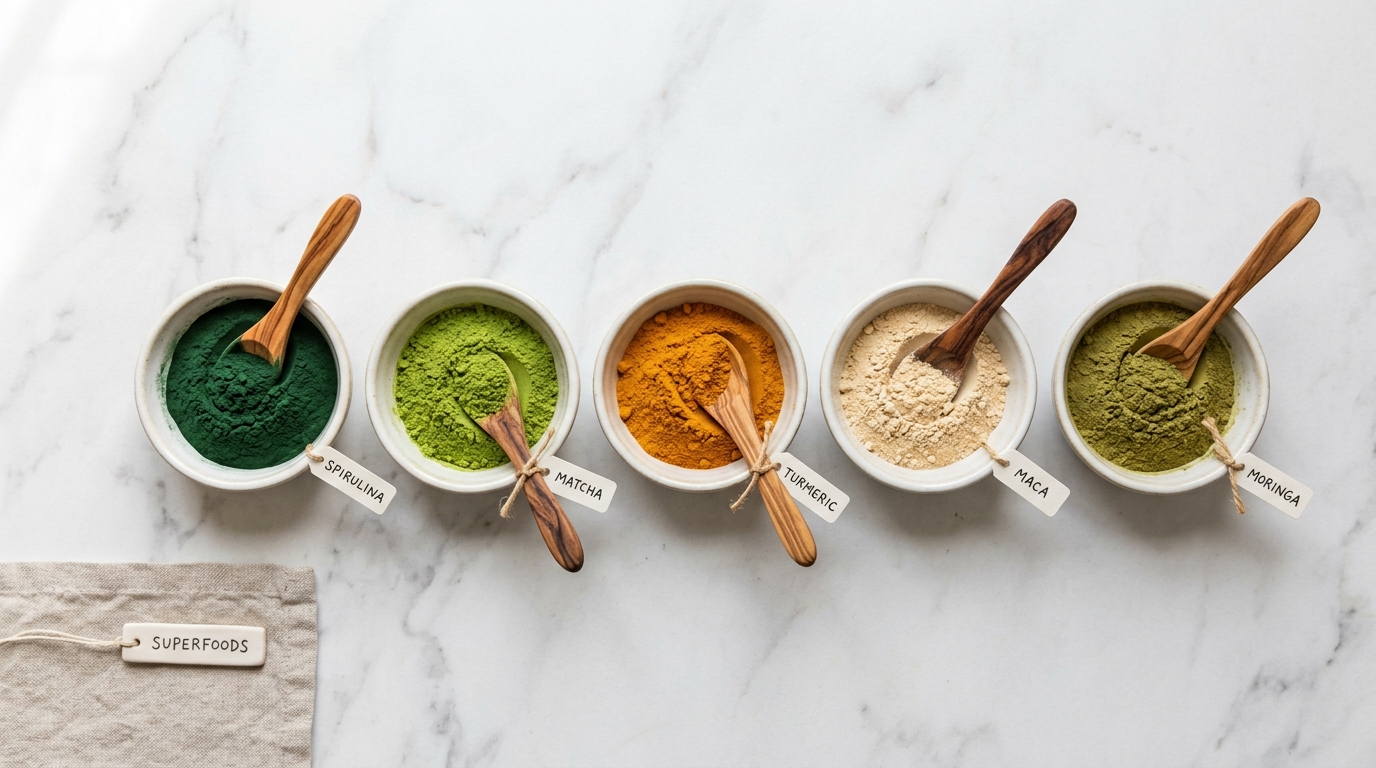
Spirulina is a blue-green algae that ranks among the most nutrient-dense foods on the planet. It is exceptionally high in protein — providing all essential amino acids — and contains significant amounts of iron, B vitamins, copper, magnesium, and powerful antioxidants including phycocyanin, which gives it its distinctive color. Research suggests spirulina may help reduce inflammation, lower LDL cholesterol, and support immune function. It has a strong, earthy flavor best masked in smoothies or combined with fruit.
2. Matcha
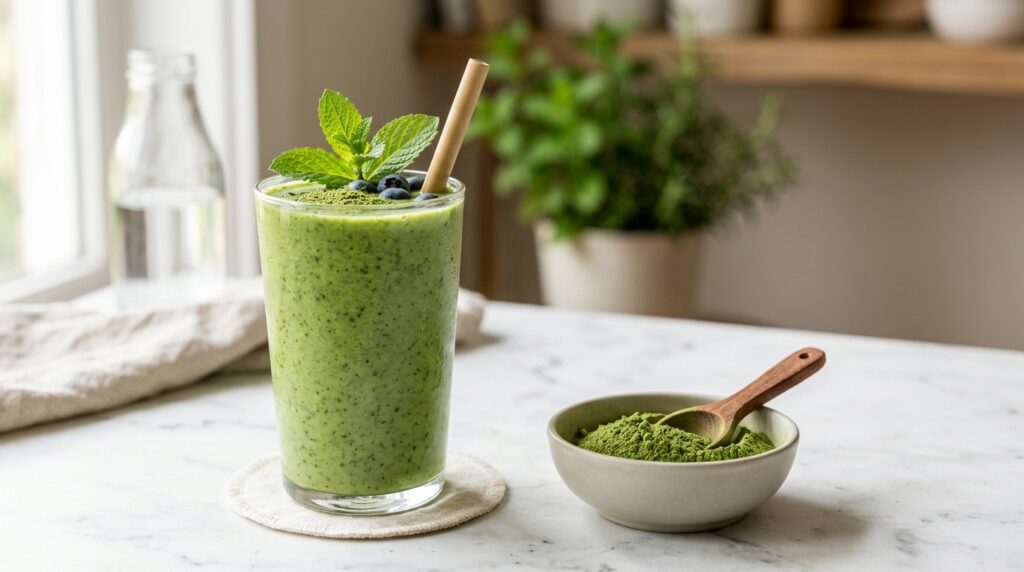
Matcha is powdered green tea, but unlike steeped green tea, consuming matcha means ingesting the entire leaf, which delivers a far greater concentration of antioxidants. It is particularly rich in EGCG (epigallocatechin gallate), one of the most studied antioxidants for its anti-inflammatory, metabolism-supporting, and neuroprotective effects. Matcha also provides a calm, sustained energy boost due to its combination of caffeine and L-theanine, an amino acid that promotes alertness without the jitteriness associated with coffee.
3. Moringa
Moringa powder is derived from the leaves of the Moringa oleifera tree, native to South Asia and Africa. It is remarkably nutrient-dense, containing vitamin C, vitamin A, calcium, potassium, iron, and high-quality plant protein. Moringa also contains isothiocyanates, compounds with potent anti-inflammatory properties. Its mild, slightly earthy flavor makes it one of the more versatile superfood powders to incorporate into soups, sauces, or smoothies.
4. Maca Root Powder
Maca is a root vegetable native to the Peruvian Andes that has been used for centuries for its energizing and adaptogenic properties. Modern research suggests maca may help support energy levels, physical endurance, hormonal balance, and libido, particularly in women experiencing menopause-related symptoms. It has a mildly sweet, nutty flavor that blends well into smoothies, oatmeal, and coffee. Maca is not a stimulant but appears to work by supporting the endocrine system’s natural function.
5. Wheatgrass Powder
Wheatgrass is the young grass of the wheat plant, harvested before the grain develops. In powder form, it provides chlorophyll, vitamins A, C, and E, iron, magnesium, and amino acids. Some research suggests it may support detoxification, alkalinity, and immune function, though the evidence base is still developing. Its strong, grassy flavor is best combined with citrus juice or blended into a green smoothie to make it more palatable.
If you are exploring how to build a more nutrient-dense diet overall, our guide on the best superfoods you should eat daily covers the most impactful whole food options to pair with any powder supplementation strategy.
6. Turmeric Powder
Turmeric is one of the most well-researched anti-inflammatory spices in the world, and in powdered form it provides a highly concentrated source of curcumin, its primary active compound. Curcumin has demonstrated powerful anti-inflammatory and antioxidant effects in numerous studies. To maximize absorption, combine turmeric powder with black pepper, which contains piperine — a compound that enhances curcumin bioavailability by up to 2,000 percent. Turmeric blends naturally into golden milk, soups, curries, and smoothies.
7. Acai Berry Powder
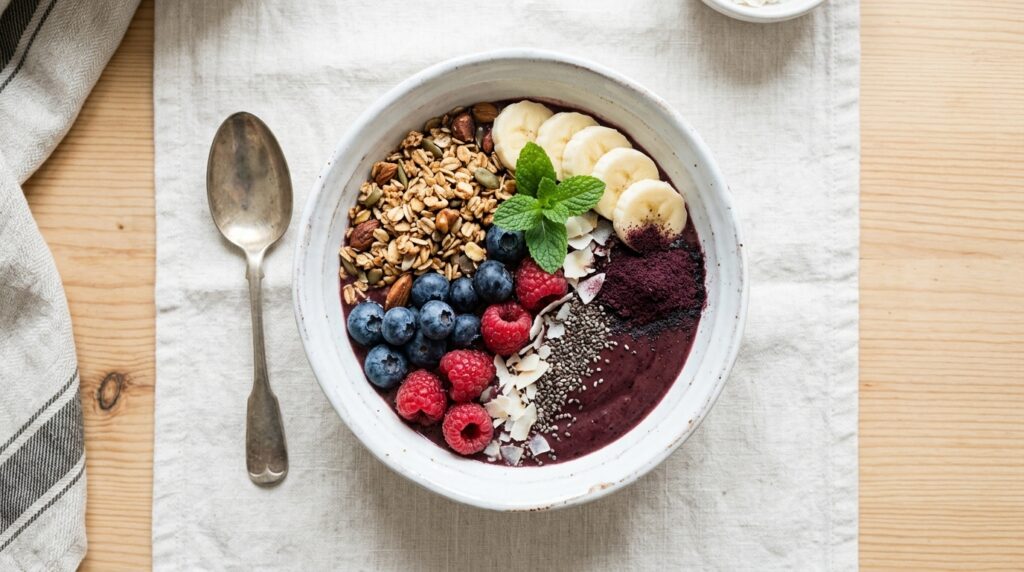
Acai berries, native to the Amazon rainforest, are exceptionally rich in anthocyanins, the same class of antioxidants found in blueberries, though in significantly higher concentrations. Acai powder also provides healthy fats, fiber, and a range of vitamins and minerals. It has a pleasant, mild chocolate-berry flavor that works beautifully in smoothie bowls, overnight oats, and yogurt parfaits. While acai is often overhyped as a weight-loss solution, its genuine antioxidant content is well-documented.
8. Ashwagandha Powder
Ashwagandha is one of the most widely used adaptogenic herbs in Ayurvedic medicine. Research has consistently shown it can reduce cortisol levels, lower stress and anxiety, improve sleep quality, and support physical performance and endurance. It contains compounds called withanolides, which are primarily responsible for its adaptogenic effects. Ashwagandha has a strong, earthy, slightly bitter flavor that is best taken in capsule form or masked in a smoothie with strong flavors like banana, cocoa, or peanut butter.
9. Chlorella Powder
Chlorella is a single-celled green algae similar to spirulina in its nutritional profile, though with a few distinct advantages. It is particularly rich in chlorophyll and has been studied for its potential to support detoxification of heavy metals in the body. Chlorella also provides complete protein, iron, zinc, vitamin C, and B vitamins. It has a strong green, slightly oceanic flavor and is most commonly taken in powder or tablet form as a daily supplement.
10. Camu Camu Powder
Camu camu is a small Amazonian fruit that is one of the most concentrated natural sources of vitamin C in the world, containing up to 60 times more vitamin C per gram than oranges. It also provides flavonoids, anthocyanins, and ellagic acid, which contribute to its antioxidant and anti-inflammatory properties. Due to its extreme tartness, camu camu powder is typically used in small amounts — half a teaspoon to one teaspoon — blended into smoothies, juices, or water for a significant nutritional boost.
Conclusion
Superfood powders are not a replacement for a balanced, whole food diet, but they can be a genuinely useful tool for filling nutritional gaps and adding concentrated plant compounds to your daily routine. Start with one or two powders that align with your specific health goals, choose reputable brands that prioritize quality and transparency, and integrate them consistently rather than sporadically. Over time, a handful of well-chosen superfood powders can meaningfully amplify the benefits of an already healthy diet.
Frequently Asked Questions
Are superfood powders actually effective? The effectiveness of superfood powders varies depending on the specific product, the quality of the source ingredients, and how consistently they are used. Powders like spirulina, matcha, and turmeric have a solid body of research behind them, while others have less robust evidence. Choosing well-researched options from quality brands and using them consistently as part of a balanced diet gives the best results.
How should I take superfood powders? Most superfood powders are best added to smoothies, water, or warm beverages. Some, like ashwagandha or chlorella, are also available in capsule form for those who find the flavor difficult to manage. Following the dosage recommendations on the product label and introducing one new powder at a time helps you identify which ones work best for your body.
Can superfood powders replace eating vegetables? No. Superfood powders do not replicate the full nutritional complexity, fiber content, water content, or eating experience of whole vegetables. They are a complement to a vegetable-rich diet, not a substitute for it. Whole foods remain the most effective and bioavailable way to meet daily nutritional needs.
Related Articles
- 10 Best Superfoods You Should Eat Daily
- Most Powerful Antioxidant-Rich Superfoods
- Best Superfoods for Energy and Vitality