Introduction
Your immune system is your body’s primary defense against infections, illness, and disease. It is a complex network of cells, tissues, and organs that works constantly to identify and neutralize threats. While genetics plays a role in immune function, your daily dietary choices have a profound and modifiable impact on how effectively your immune system performs.
Certain foods contain nutrients and bioactive compounds that directly support immune cell production, reduce chronic inflammation, enhance the body’s ability to fight pathogens, and promote faster recovery. These immune-supporting superfoods are not just useful during cold and flu season — they are valuable year-round as part of a diet that keeps your defenses strong and responsive.
Why Nutrition Is Central to Immune Health
Immune cells require a continuous supply of nutrients to function. Vitamins A, C, D, and E, along with zinc, selenium, iron, and omega-3 fatty acids, all play specific and well-documented roles in immune regulation. Deficiency in any of these nutrients can meaningfully impair immune response, increasing susceptibility to infection and slowing recovery. On the other hand, consistent intake of immune-supportive nutrients through whole foods strengthens the immune system’s capacity to respond quickly and effectively.
Beyond individual nutrients, the gut microbiome — the community of trillions of microorganisms living in your digestive tract — plays a central role in immune regulation. Approximately 70 percent of the immune system is housed in the gut, making diet’s impact on the microbiome especially relevant to immune health.
Superfoods That Boost Your Immune System
1. Citrus Fruits
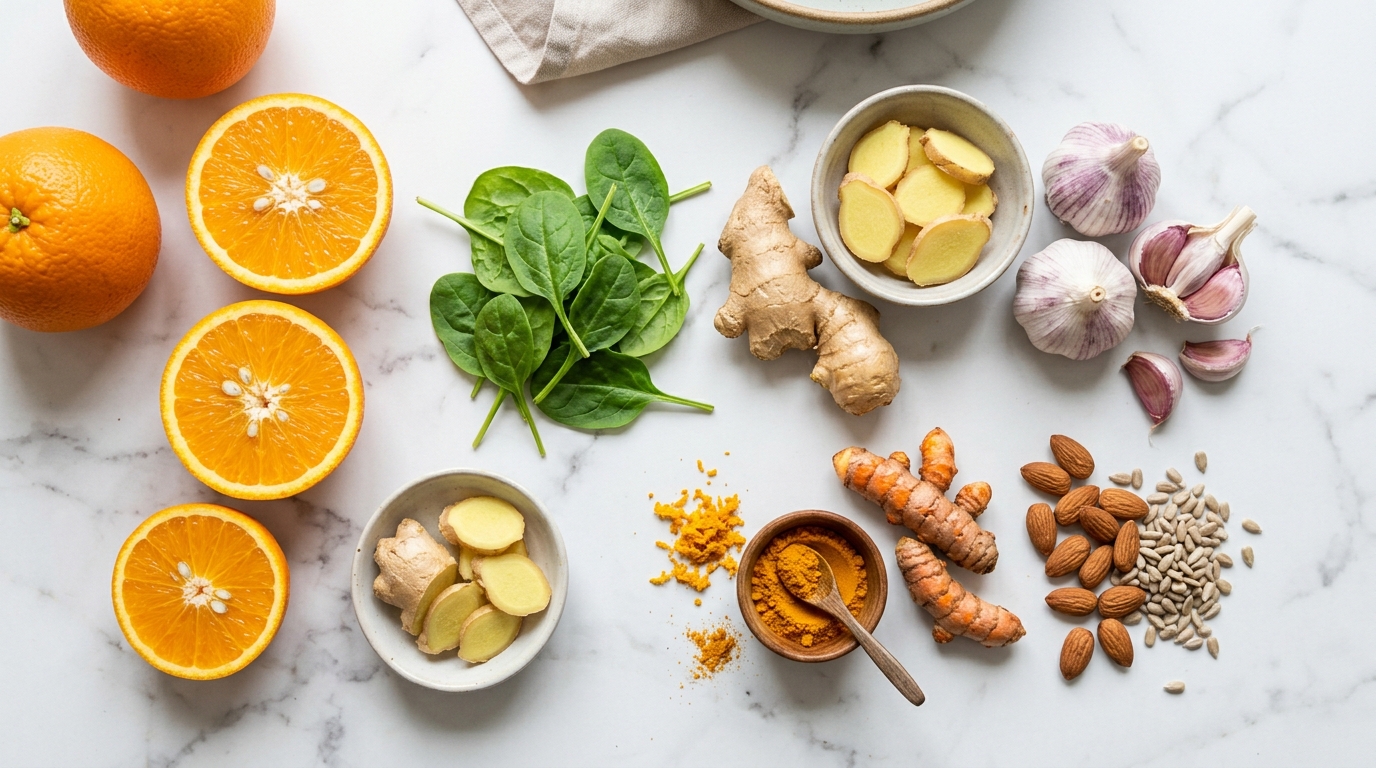
Oranges, grapefruits, lemons, limes, and clementines are among the most well-known sources of vitamin C, which is essential for the growth and function of immune cells, particularly T-cells and phagocytes. Vitamin C also acts as an antioxidant that protects immune cells from oxidative damage during the inflammatory response. Because the body does not store vitamin C, daily intake through food or supplementation is necessary for consistent immune support.
2. Garlic
Garlic has been used as a natural immune booster for thousands of years, and modern research continues to support its benefits. Allicin, the sulfur compound released when garlic is chopped or crushed, has demonstrated antibacterial, antiviral, and antifungal properties in studies. Garlic also stimulates the activity of white blood cells and natural killer cells, which are critical components of the innate immune response. For maximum allicin content, allow chopped garlic to rest for five to ten minutes before cooking.
3. Ginger
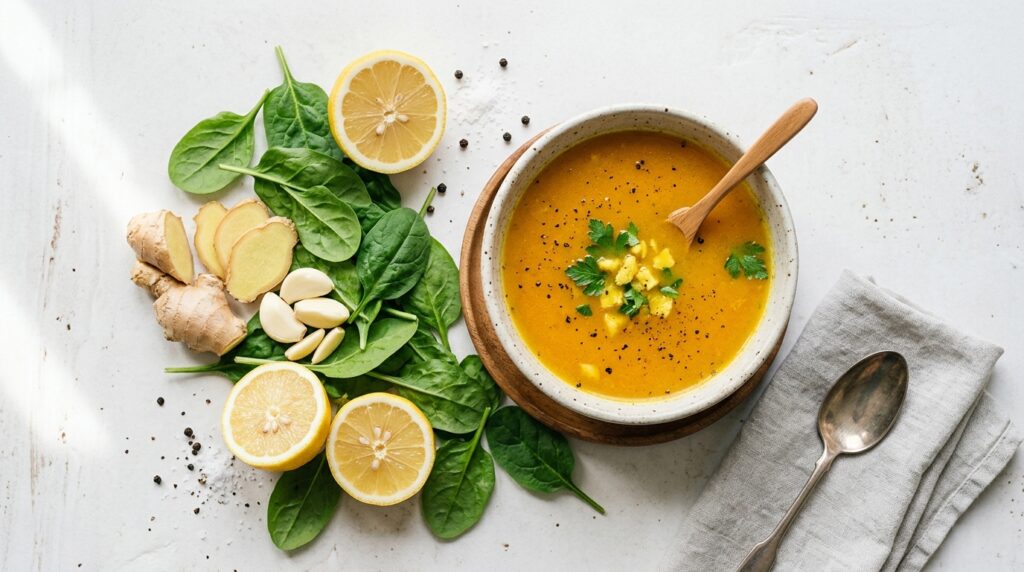
Ginger contains gingerols and shogaols — bioactive compounds with potent anti-inflammatory and antioxidant effects that support immune function. Ginger has been shown to inhibit the growth of certain bacteria and viruses, enhance immune cell activity, and reduce inflammation that can impair immune performance when it becomes chronic. Fresh ginger can be added to teas, soups, stir-fries, and smoothies for a flavorful and functional immune boost.
4. Spinach
Spinach is loaded with vitamin C, beta-carotene, and numerous antioxidants that enhance the infection-fighting ability of the immune system. It also provides folate, which is necessary for the production and maintenance of new immune cells. Raw spinach retains higher levels of certain nutrients like vitamin C, while light cooking increases the availability of others like beta-carotene and iron. Including spinach in both raw and cooked forms provides the broadest nutritional benefit.
5. Yogurt and Probiotic Foods
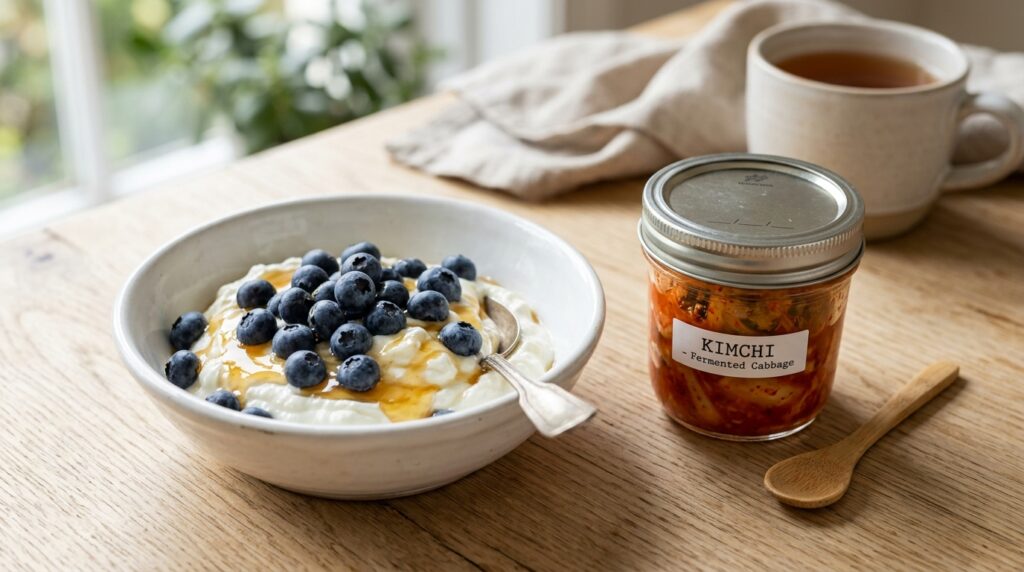
Fermented foods containing live probiotic cultures — including yogurt, kefir, sauerkraut, kimchi, and miso — directly support the gut microbiome, which plays a central role in immune regulation. Probiotics help maintain the integrity of the gut lining, support the production of immunoglobulins, and modulate inflammatory responses throughout the body. Choosing yogurt with live and active cultures and no added sugar provides the most meaningful probiotic benefit. For a broader look at foods that support gut and immune health simultaneously, our guide on the 10 best superfoods you should eat daily covers several foods that address both systems.
6. Almonds
Almonds are one of the richest dietary sources of vitamin E, a fat-soluble antioxidant that is essential for the maintenance of a healthy immune response, particularly in older adults whose immune function naturally declines with age. Vitamin E enhances the activity of natural killer cells and T-cells. A small handful of almonds — about 23 nuts — provides nearly 100 percent of the daily recommended intake of vitamin E, making them one of the most efficient dietary sources of this often-underconsumed nutrient.
7. Turmeric
Curcumin, the active compound in turmeric, is one of the most extensively researched natural anti-inflammatory and immunomodulatory agents. It has been shown to enhance the activity of immune cells, reduce the production of pro-inflammatory cytokines, and support the body’s antiviral defenses. Because curcumin has low natural bioavailability, combining turmeric with black pepper — which contains piperine — dramatically increases absorption and effectiveness. Adding turmeric to soups, curries, and warm beverages is a practical and flavorful immune strategy.
8. Green Tea
Green tea is rich in polyphenols, particularly EGCG, that have demonstrated antiviral and immune-modulating properties in research. Green tea also contains L-theanine, an amino acid that may support the production of germ-fighting compounds in T-cells. Drinking green tea regularly provides both antioxidant protection and direct immune support, making it one of the most evidence-backed functional beverages for immune health.
9. Sunflower Seeds
Sunflower seeds are an excellent source of selenium, zinc, vitamin E, and vitamin B6 — a collection of nutrients that collectively support nearly every aspect of immune function. Selenium plays a key role in the production of selenoproteins that regulate immune response and protect against oxidative stress during inflammation. Zinc is required for the development and function of immune cells and has been shown to reduce the duration of common cold symptoms. A small serving of sunflower seeds as a daily snack delivers meaningful amounts of these immune-essential minerals.
10. Elderberry
Elderberry has gained considerable attention as a natural immune-supporting food, and it has more research behind it than many herbal remedies. Studies have found that elderberry extract can reduce the duration and severity of influenza symptoms, and the berries contain anthocyanins and other polyphenols that inhibit viral replication and support immune cell activity. Elderberry syrup, gummies, and lozenges are the most common supplemental forms, but the whole berry — when cooked, as raw elderberries contain compounds that require heat to deactivate — is equally valuable.
Conclusion
A well-nourished immune system is your best long-term defense against illness. The superfoods on this list — from vitamin C-rich citrus and antioxidant-packed turmeric to probiotic-rich yogurt and selenium-dense sunflower seeds — support immune function through multiple, complementary mechanisms. No single food is a cure or a guarantee, but a diet built consistently around these immune-supportive ingredients creates a biological environment in which your defenses can operate at their best. The investment you make in your daily diet is one of the most meaningful steps you can take for your immunity year-round.
Frequently Asked Questions
What is the single best food for immune system support? No single food is universally superior for immune health, as the immune system depends on a broad range of nutrients working in concert. However, garlic, citrus fruits, and fermented foods like yogurt and kefir are among the most consistently studied and supported immune-boosting foods across the scientific literature.
Does eating superfoods prevent you from getting sick? Superfoods cannot guarantee immunity from illness, but a diet consistently rich in immune-supporting nutrients meaningfully reduces susceptibility to infection and supports faster recovery when illness does occur. Think of these foods as building a stronger foundation rather than providing a guaranteed barrier.
Can I boost my immune system quickly with food? Short-term dietary changes can provide some rapid benefits — for example, increasing vitamin C and zinc intake when early cold symptoms appear may reduce their severity. However, the most significant and lasting immune benefits come from consistent, long-term dietary habits rather than short bursts of nutritional effort.
Related Articles
- 10 Best Superfoods You Should Eat Daily
- Best Superfood Powders Worth Trying
- Most Powerful Antioxidant-Rich Superfoods