Introduction
Antibiotics are powerful medications that save lives by eliminating harmful bacterial infections. However, they don’t discriminate — along with the bad bacteria, they also deplete many of the beneficial bacteria that live in your gut. This disruption can lead to digestive discomfort, diarrhea, bloating, and a temporarily weakened immune system in the days and weeks following treatment.
The good news is that your gut microbiome is resilient. With the right foods, you can help restore the balance of beneficial bacteria, reduce antibiotic-related side effects, and support a full recovery. This guide covers the best foods to eat after taking antibiotics to get your gut health back on track as efficiently as possible.
Why Your Diet Matters After Antibiotics
After a course of antibiotics, your gut microbiome can be significantly depleted. Research suggests it may take weeks or even months to fully recover without targeted dietary support. Eating foods rich in probiotics and prebiotics is the most effective natural strategy for repopulating the gut with beneficial bacteria and restoring digestive balance.
Focusing on the right foods during this recovery period can also reduce the risk of antibiotic-associated diarrhea, a common side effect that affects up to 30 percent of people who take antibiotics. Getting your diet right in the days following treatment can make a meaningful difference to both your comfort and your long-term gut health.
Best Foods to Eat After Taking Antibiotics
1. Yogurt
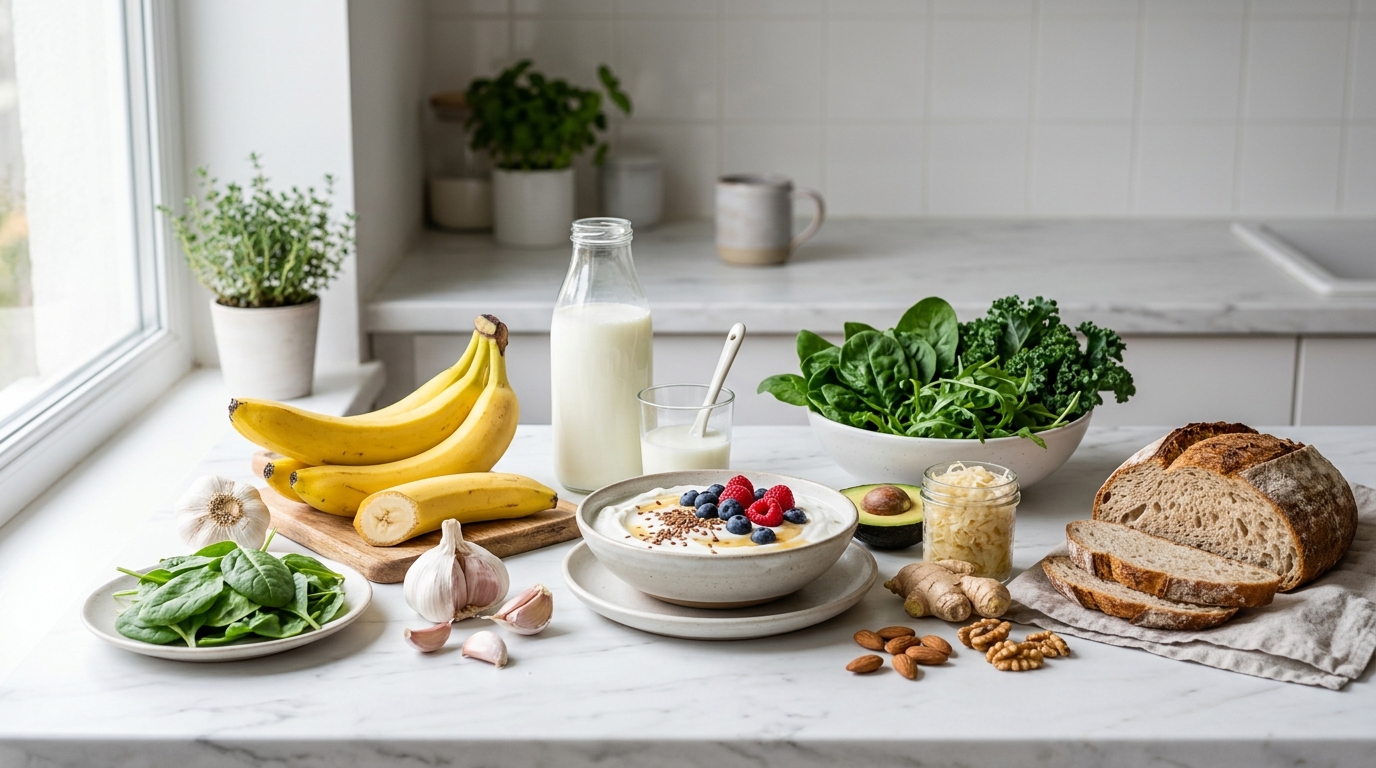
Yogurt is one of the most accessible and well-researched probiotic foods available. Made through the fermentation of milk, yogurt contains live cultures of Lactobacillus and Bifidobacterium strains that help replenish the gut microbiome after antibiotic use. Choose plain, unsweetened yogurt with live and active cultures for maximum benefit. Avoid varieties with high sugar content, which can nourish harmful bacteria rather than beneficial ones.
2. Kefir
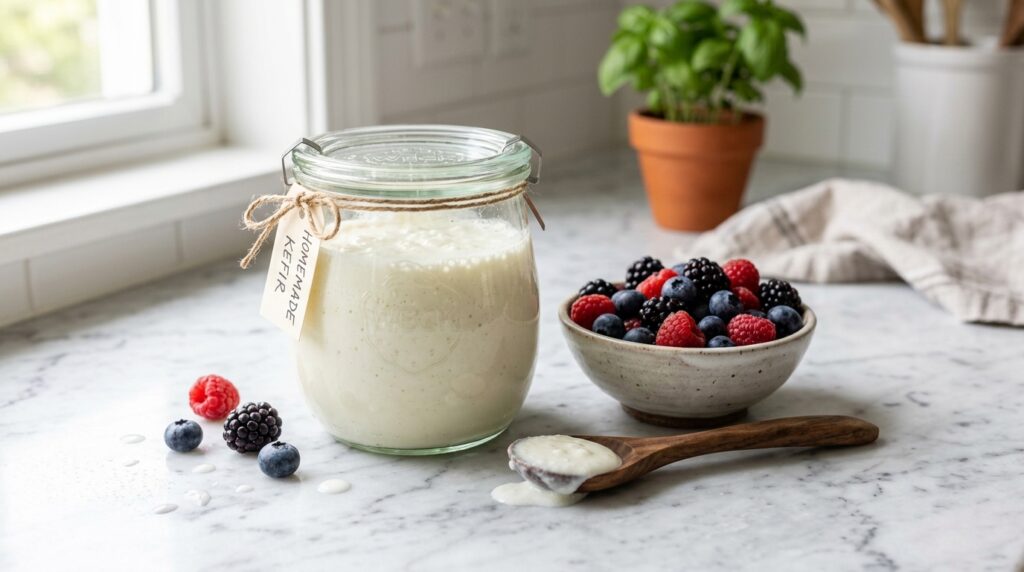
Kefir is a fermented dairy drink that contains a broader and more diverse range of probiotic strains than most yogurts. Studies have specifically examined kefir’s role in reducing antibiotic-associated diarrhea and supporting microbiome recovery. It is also an excellent source of calcium, protein, and B vitamins. For those who are lactose intolerant, water-based kefir is a suitable alternative that delivers comparable probiotic benefits.
3. Sauerkraut
Sauerkraut is finely shredded cabbage fermented with lactic acid bacteria. It is rich in Lactobacillus strains that support digestive health, along with fiber, vitamins C and K, and antioxidants. Choose raw, unpasteurized sauerkraut from the refrigerated section of the grocery store, as pasteurization destroys the live cultures that make this food beneficial.
4. Kimchi
Kimchi is a traditional Korean fermented vegetable dish typically prepared with cabbage, radish, garlic, and chili. It contains a range of probiotic bacteria alongside prebiotics and anti-inflammatory compounds. Including kimchi in meals after antibiotics can help support the recovery of a diverse gut microbiome. It is also low in calories and rich in vitamins A, B, and C.
5. Miso
Miso is a fermented soybean paste widely used in Japanese cooking. It is rich in probiotic bacteria alongside protein, zinc, and B vitamins that support immune and digestive recovery. Add miso to soups or sauces after removing from direct heat, as high temperatures can destroy the live cultures. If you want to understand more about how gut bacteria influence your wider health, our article on how your gut microbiome affects your overall health covers this in depth.
6. Bananas
Bananas are an excellent prebiotic food, meaning they nourish the beneficial bacteria already present in the gut rather than introducing new ones. They are rich in inulin — a type of dietary fiber that selectively feeds Bifidobacterium strains. Bananas are also gentle on the digestive system, easy to tolerate during recovery, and provide potassium and natural energy to support overall healing.
7. Garlic
Garlic is a powerful prebiotic food that has been shown to promote the growth of beneficial gut bacteria, particularly Bifidobacterium and Lactobacillus. It also possesses natural antimicrobial properties against harmful pathogens while being less disruptive to beneficial bacteria than antibiotics. Including raw or lightly cooked garlic in your meals after antibiotic treatment is a simple and effective daily strategy.
8. Whole Grains
Whole grains such as oats, barley, brown rice, and whole wheat bread are excellent sources of dietary fiber and beta-glucans that serve as prebiotics for beneficial gut bacteria. Oats in particular have been shown to increase levels of Bifidobacterium in the gut and support the production of short-chain fatty acids that nourish the gut lining. Aim to include a serving of whole grains with most meals during your recovery period.
9. Asparagus
Asparagus is one of the best natural sources of inulin, a prebiotic fiber that directly nourishes beneficial bacteria. It also contains folate, vitamins K and C, and antioxidants that support immune function during recovery. Lightly steaming or roasting asparagus preserves most of its nutritional value while keeping it easy to digest.
10. A Variety of Fermented Foods
Diversifying your intake of fermented foods is one of the most effective strategies for microbiome recovery after antibiotics. In addition to yogurt and kefir, consider incorporating tempeh, low-sugar kombucha, naturally fermented pickles, and aged fermented cheeses into your regular meals. A wider variety of fermented foods introduces a broader spectrum of beneficial bacterial strains, supporting greater microbiome diversity and resilience over time.
Conclusion
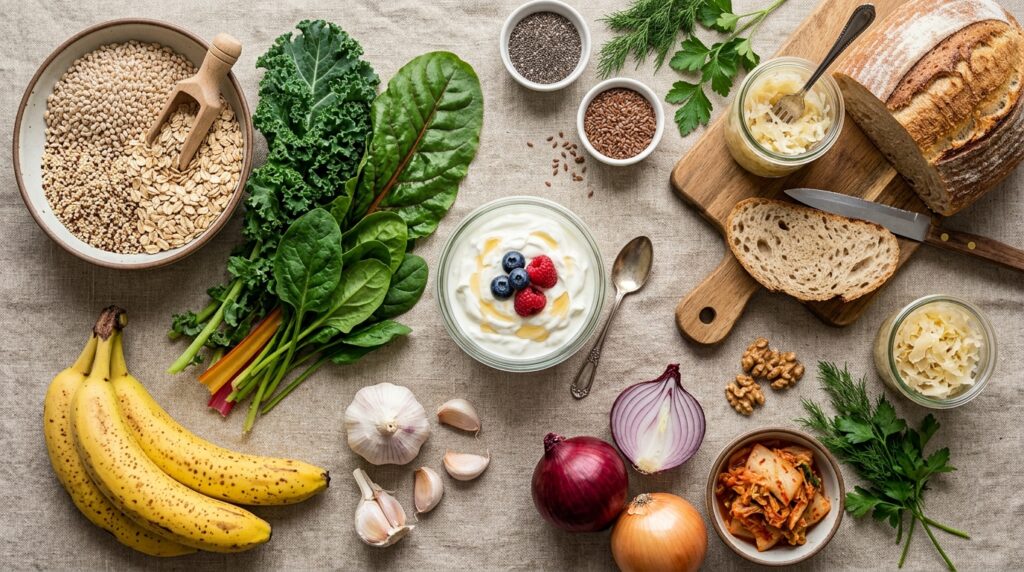
Taking antibiotics when medically necessary is important, but actively supporting your gut health during and after treatment is equally important. By incorporating probiotic-rich fermented foods and prebiotic-rich plant foods into your diet, you can help restore your gut microbiome more quickly and reduce the digestive side effects commonly associated with antibiotic use.
Focus on foods such as yogurt, kefir, sauerkraut, kimchi, bananas, garlic, and whole grains in the days and weeks following treatment. Avoid high-sugar foods and excessive alcohol, which can further disrupt gut bacteria. With consistent dietary attention, your microbiome can recover and return to full, healthy function.
Frequently Asked Questions
When should I start eating probiotic foods after antibiotics? You can begin eating probiotic-rich foods as soon as you feel comfortable. Many health professionals suggest consuming probiotics a few hours apart from your antibiotic dose to reduce the chance of the medication eliminating them before they reach the gut. Continue eating them for several weeks after completing the full antibiotic course.
How long does it take for the gut to recover after antibiotics? Recovery time varies depending on the type and duration of antibiotic treatment. Research suggests the gut microbiome may begin recovering within a few weeks, but full restoration of baseline diversity may take several months. Consistent intake of probiotic and prebiotic foods can meaningfully speed up this process.
Are probiotic supplements helpful after antibiotics? Probiotic supplements can be a useful complement to probiotic-rich foods, particularly if access to fermented foods is limited. Look for supplements containing multiple strains including Lactobacillus and Bifidobacterium, and take them consistently for at least four to eight weeks after completing antibiotic treatment.
Related Articles
How Your Gut Microbiome Affects Your Overall Health Best Probiotic Foods for a Healthy Gut Best Prebiotic Foods You Should Eat Daily