
Introduction
Fiber is one of the most powerful and underutilized tools in weight management. Unlike other carbohydrates, dietary fiber is not digested by the body — it passes through the digestive tract largely intact, adding bulk to meals, slowing digestion, feeding beneficial gut bacteria, and promoting the release of fullness hormones that signal to your brain that you have had enough to eat.
Research consistently shows that higher dietary fiber intake is associated with lower body weight, reduced waist circumference, and better long-term weight management outcomes. The mechanism is straightforward: fiber-rich foods fill you up with fewer calories, making it significantly easier to maintain the caloric deficit necessary for weight loss without feeling constantly hungry or deprived.
Why Fiber Is So Important for Weight Loss
There are two main types of dietary fiber: soluble and insoluble. Both are beneficial, but they work differently. Soluble fiber dissolves in water to form a gel-like substance in the gut that slows the passage of food, stabilizes blood sugar, and reduces appetite by delaying gastric emptying. Insoluble fiber adds bulk to stool and supports regular bowel movements, which reduces bloating and keeps the digestive system functioning efficiently.
Both types of fiber promote weight loss by increasing meal volume and satiety without adding meaningful calories. Foods that are naturally high in fiber also tend to require more chewing, which slows eating pace and gives the brain more time to register fullness before overeating occurs.
Best High-Fiber Foods for Weight Loss
1. Lentils
Lentils are one of the most fiber-dense foods available, providing approximately 15 grams of dietary fiber per cooked cup — more than half the recommended daily intake for most adults. They are also an excellent source of plant-based protein, which adds a second layer of satiety support. Lentils are quick-cooking, affordable, and versatile enough to be incorporated into soups, salads, curries, and grain bowls. Their combination of protein and fiber makes them one of the most filling low-calorie foods you can eat.
2. Black Beans
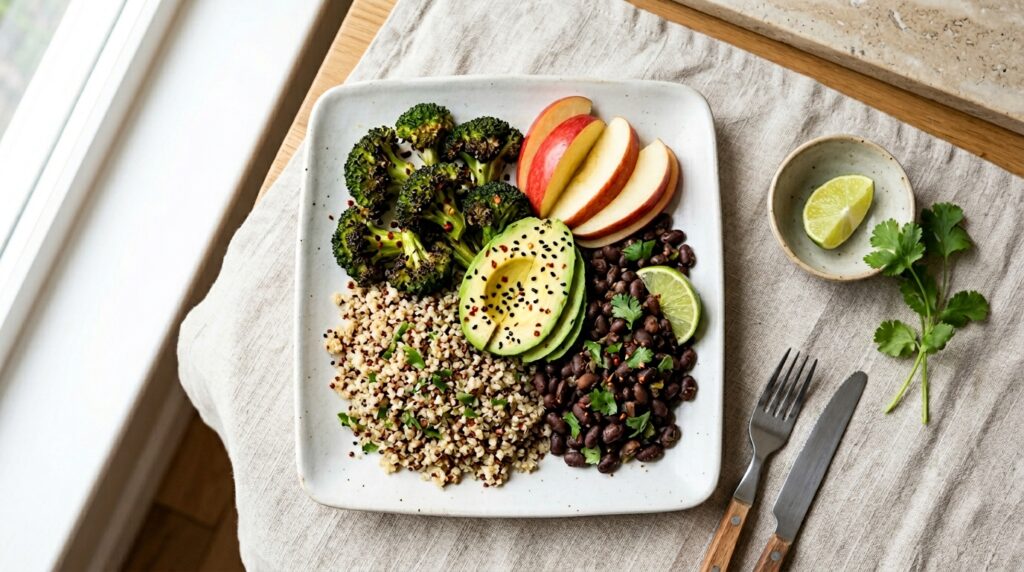
Black beans provide around 15 grams of fiber per cooked cup along with significant protein, iron, and folate. Like other legumes, they contain resistant starch — a type of fiber that ferments in the large intestine, feeding beneficial gut bacteria and producing short-chain fatty acids that support metabolic health and fat burning. Black beans are also very low on the glycemic index, meaning they cause only gradual rises in blood sugar, which helps prevent the energy crashes and cravings associated with blood sugar spikes.
3. Avocados
Avocados are unusual among high-fat foods in that they are also remarkably high in fiber — providing around 10 grams per medium avocado, primarily in the form of soluble fiber. This combination of fiber and monounsaturated fat creates an exceptionally strong satiety effect. Studies have found that adding avocado to meals significantly reduces hunger and the desire to eat for up to five hours afterward. Despite being calorie-dense, their powerful satiety effect often results in lower overall daily calorie intake.
4. Chia Seeds
Chia seeds contain nearly 10 grams of fiber per two-tablespoon serving, making them one of the most concentrated fiber sources available by weight. They are predominantly soluble fiber, which absorbs water and expands dramatically — up to ten times their weight in liquid — creating a thick gel in the stomach that promotes lasting fullness. Adding chia seeds to overnight oats, smoothies, or water with lemon before meals is one of the most efficient and calorie-effective ways to increase fiber intake and reduce appetite.
5. Oats
Oats are among the best weight-loss-friendly grains available, thanks primarily to their high content of beta-glucan — a type of soluble fiber shown to increase levels of fullness hormones, slow gastric emptying, and reduce calorie intake at subsequent meals. A cup of cooked oats provides about 4 grams of fiber and keeps blood sugar stable for hours after eating. Choosing plain rolled or steel-cut oats rather than instant flavored varieties avoids the added sugar that undermines their nutritional benefits.
If you want to understand the full range of foods that support weight management beyond fiber alone, our guide on the 10 best foods for weight loss offers a broader look at the dietary choices most consistently linked to successful weight outcomes.

6. Broccoli
Broccoli is a low-calorie, high-volume vegetable that provides around 5 grams of fiber per cooked cup for just over 50 calories. Its high water and fiber content gives it an exceptional satiety-to-calorie ratio. Broccoli is also rich in vitamins C and K, folate, and glucosinolates with anti-inflammatory and cancer-preventive properties. Including broccoli and other cruciferous vegetables in meals is one of the most effective ways to increase meal volume and fullness without meaningfully increasing caloric intake.
7. Apples
Apples are a practical, portable, and highly satiating fiber-rich snack. A medium apple provides around 4 to 5 grams of fiber, much of it in the form of pectin — a soluble fiber that forms a gel in the gut, slows digestion, and has been shown to reduce appetite. Research has found that eating a whole apple before a meal significantly reduces calorie intake at that meal compared to consuming applesauce or apple juice of equal caloric value, demonstrating the satiety advantage of whole fruit over processed alternatives.
8. Quinoa
Quinoa provides around 5 grams of fiber per cooked cup, significantly more than most grains, along with complete protein containing all nine essential amino acids. This combination makes quinoa particularly effective for weight management — protein and fiber together create a strong and lasting satiety signal that helps control overall calorie intake. Quinoa is also gluten-free and highly versatile as a base for salads, bowls, and side dishes, making it easy to substitute for lower-fiber refined grains like white rice or pasta.
9. Brussels Sprouts
Brussels sprouts are a fiber-rich cruciferous vegetable providing around 4 grams of fiber per cup for only 38 calories. They also provide protein, vitamins C and K, and a range of antioxidants. Their high fiber content, combined with their naturally satisfying density when roasted, makes them an excellent side dish for weight-loss-oriented meals. Roasting Brussels sprouts with a small amount of olive oil brings out a natural sweetness and caramelized texture that makes them genuinely enjoyable for most people.
10. Flaxseeds
Ground flaxseeds provide around 3 grams of fiber per tablespoon — roughly half soluble and half insoluble — along with omega-3 fatty acids and lignans with antioxidant properties. The soluble fiber in flaxseeds slows digestion and supports blood sugar stability, while the omega-3s have anti-inflammatory and metabolic benefits that complement weight management efforts. Ground flaxseeds are far more bioavailable than whole flaxseeds and can be stirred into oatmeal, yogurt, smoothies, or baked goods with a subtle, nutty flavor.
Conclusion
Increasing your dietary fiber intake is one of the most evidence-backed strategies for sustainable weight loss. Fiber-rich foods fill you up, stabilize your blood sugar, feed your gut microbiome, and make it significantly easier to maintain a caloric deficit without constant hunger. Start by identifying one or two fiber-rich foods from this list that you enjoy and make them a regular part of your daily diet. Over time, building meals around high-fiber whole foods creates a dietary pattern that supports not just weight loss, but lasting health.
Frequently Asked Questions
How much fiber do I need each day for weight loss? Most dietary guidelines recommend 25 grams of fiber per day for women and 38 grams for men, though the average intake in many Western countries is significantly lower. Research suggests that even increasing fiber intake by 14 grams per day is associated with meaningful reductions in calorie intake and body weight over time.
Does fiber actually help you lose belly fat? Yes. Soluble fiber in particular has been shown in research to directly reduce visceral fat — the deep abdominal fat associated with metabolic disease — independent of overall calorie intake. Studies have found that each 10-gram increase in daily soluble fiber intake is associated with a 3.7 percent reduction in belly fat over time.
What is the fastest way to increase fiber intake? The most practical approach is to make small substitutions: replace white rice with quinoa or brown rice, choose whole grain bread over refined, add a handful of legumes to soups and salads, include a serving of vegetables at every meal, and snack on fruit rather than processed foods. These changes alone can significantly increase daily fiber intake without major dietary overhaul.