Introduction
Starting a healthy diet can feel overwhelming, especially when you are surrounded by conflicting advice about what to eat, what to avoid, and how to structure your meals. The truth is, improving your diet does not require a dramatic overhaul overnight. For most people, the most effective approach is a gradual, sustainable shift toward whole, minimally processed foods.
This guide is designed for anyone who wants to start eating better but does not know where to begin. You will find practical, realistic steps you can implement right away — no special equipment, no extreme restrictions, and no confusion.
Why Changing Your Diet Is Worth It
Your diet is one of the most powerful levers you have for improving your long-term health. Research consistently shows that food choices influence weight, energy, mood, cognitive function, immune health, and the risk of developing chronic diseases like type 2 diabetes, heart disease, and certain cancers.
Unlike medication or medical procedures, dietary changes are something you can begin today, at home, at your own pace. Even modest improvements to your eating habits — eating more vegetables, drinking more water, reducing highly processed snacks — can produce measurable health benefits within weeks.
How to Start a Healthy Diet for Beginners
1. Start With Why
Before changing what you eat, get clear on why you want to change. Whether your goal is to lose weight, improve energy, manage a health condition, or simply feel better, having a clear reason helps you stay motivated when the initial excitement fades. Write your reason down and revisit it when you need a reminder of your purpose.
2. Focus on Adding, Not Restricting
One of the most beginner-friendly approaches is to start by adding healthy foods rather than immediately cutting things out. Add a handful of spinach to your lunch. Add a serving of fruit at breakfast. Add water before each meal. This builds positive habits and shifts your diet in the right direction without triggering feelings of deprivation.
3. Learn What a Balanced Plate Looks Like
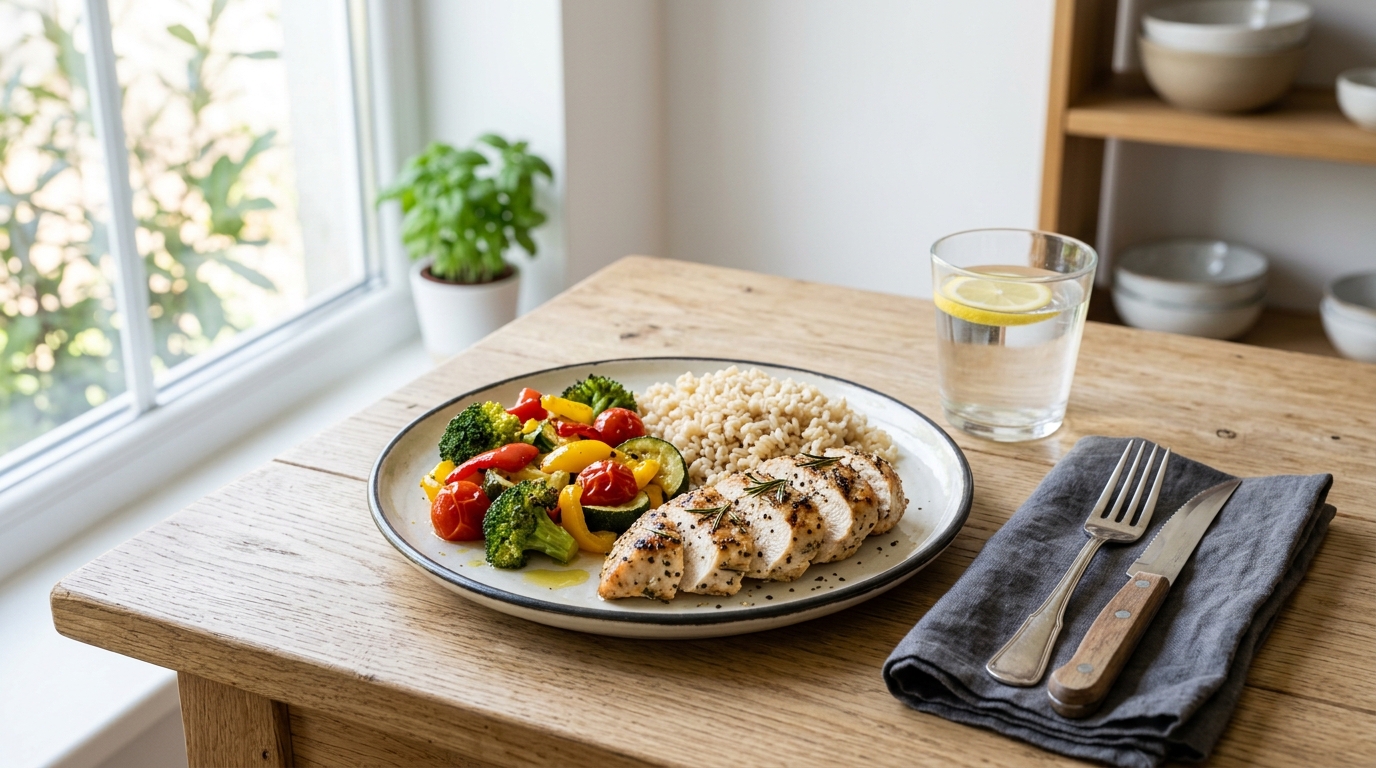
A practical way to visualize a healthy meal is the plate model. Fill half your plate with vegetables and fruits, one quarter with a lean protein source, and one quarter with whole grains or complex carbohydrates. Add a small portion of healthy fat like olive oil, avocado, or nuts. This simple structure works for most meals and requires no calorie counting.
4. Cut Back on Ultra-Processed Foods Gradually
Ultra-processed foods — packaged snacks, fast food, sugary drinks, refined breakfast cereals — are the single biggest obstacle to a healthy diet for most people. You do not need to eliminate them all at once. Start by identifying your top two or three most frequent ultra-processed foods and work on replacing them one at a time with better alternatives.
5. Plan Your Meals in Advance
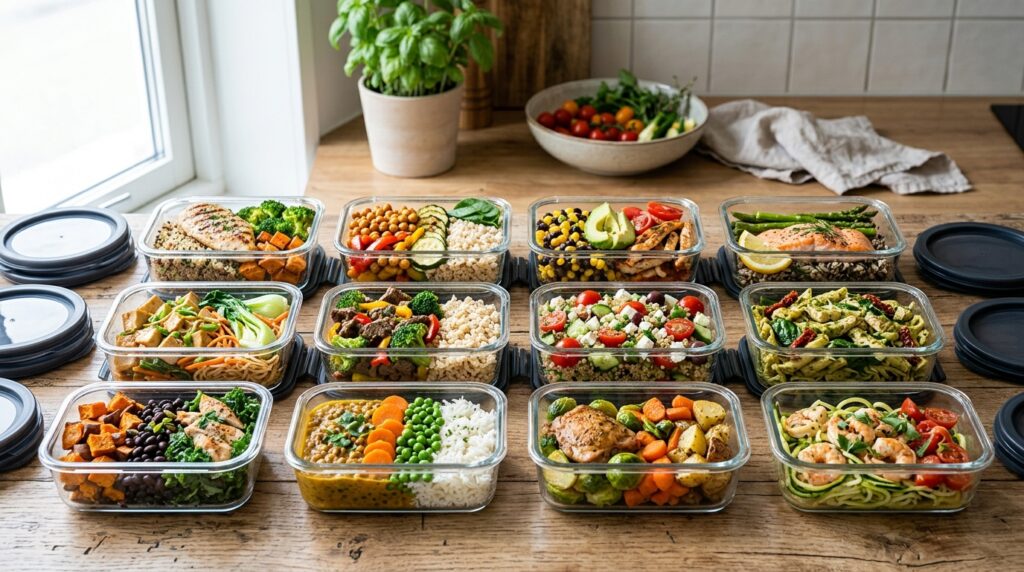
Meal planning is one of the most effective habits for beginners. When you have healthy food ready or at least decided on, you are far less likely to default to convenience foods. You do not need to prep everything on Sunday. Even deciding what you will have for the next day’s meals removes the guesswork and reduces impulsive choices.
For more structure on setting up your weekly meals, our guide on how to build a healthy meal plan walks you through the process step by step.
6. Hydrate Properly
Many people underestimate the role of hydration in a healthy diet. Dehydration can mimic hunger, reduce mental clarity, and impair physical performance. Aim for at least eight cups of water per day, more if you are active or in a warm climate. Herbal teas and water-rich foods like cucumbers and watermelon also count toward your daily intake.
7. Read Ingredient Labels
Learning to read food labels gives you control over what you actually eat. Focus on the ingredient list rather than just the front packaging claims. Ingredients are listed by quantity, so if sugar or refined grains appear near the top, the product is heavily processed. Look for short ingredient lists with recognizable whole food ingredients.
8. Cook More at Home
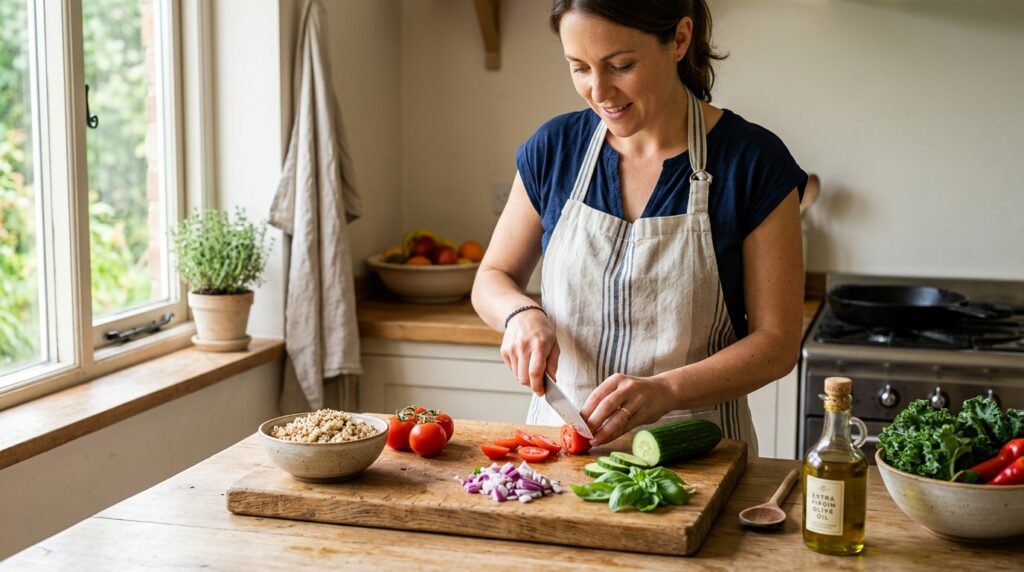
Home cooking is one of the most consistent predictors of a healthier diet. When you prepare your own food, you control the ingredients, portions, and cooking methods. You do not need to be an expert chef. Simple techniques like roasting vegetables, scrambling eggs, or assembling grain bowls require minimal skill and produce nutritious meals.
9. Be Patient With the Process
Dietary change is not linear. Some days you will make perfect choices, and other days you will not. This is normal and expected. What matters is the overall pattern across weeks and months, not any single meal or day. Avoid all-or-nothing thinking, which often leads to giving up after a small slip. Progress, not perfection, is the goal.
10. Track Progress Without Obsessing
Keeping a loose food journal or using a simple app to track your meals can help you identify patterns and stay accountable. That said, obsessive tracking can sometimes do more harm than good. Use tracking as a tool for awareness, not as a source of anxiety. If you find that tracking makes you stressed or fixated on numbers, step back and focus on building habits through feel rather than data.
Conclusion
Starting a healthy diet as a beginner is about building awareness and making small, consistent improvements over time. Focus on adding nutrient-dense whole foods, reducing your reliance on ultra-processed options, and developing habits like meal planning and home cooking. With patience and a realistic approach, a healthier diet becomes a natural part of your life rather than a short-term effort.
Frequently Asked Questions
What is the easiest way to start eating healthy? The easiest starting point is to add one or two servings of vegetables or fruit to your daily meals. From there, gradually replace processed snacks with whole food alternatives and begin cooking more meals at home.
How long does it take to see results from a healthy diet? Many people notice improvements in energy and digestion within one to two weeks of eating better. More significant changes in weight, cholesterol, or blood sugar typically require consistent effort over several months.
Do I need to count calories to eat healthy? Calorie counting is not necessary for most people. Focusing on food quality — eating more whole foods and fewer processed products — naturally supports a healthy caloric balance without the need for precise tracking.
Related Articles