Introduction
A balanced diet is not about eating perfectly at every meal. It is about consistently covering the full spectrum of nutrients your body needs to function well — protein, healthy fats, complex carbohydrates, vitamins, minerals, and fiber. When these nutritional bases are covered, your body can maintain energy, repair tissue, regulate hormones, and protect itself from illness.
This guide walks through the best foods for a balanced diet, grouped by the key nutritional roles they play. Understanding why each food matters makes it easier to build meals that are genuinely nourishing rather than just filling.
Why Balance Matters in Your Diet
Dietary imbalance — too much of one nutrient group and not enough of another — leads to deficiencies and surpluses that affect health over time. A protein-heavy diet that lacks fiber can strain the kidneys and disrupt digestion. A diet heavy in carbohydrates without adequate protein or fat leads to blood sugar instability and poor satiety. Balance is not about equal quantities of every food; it is about covering nutritional needs across all categories without overloading any one area.
Best Foods for a Balanced Diet
1. Salmon
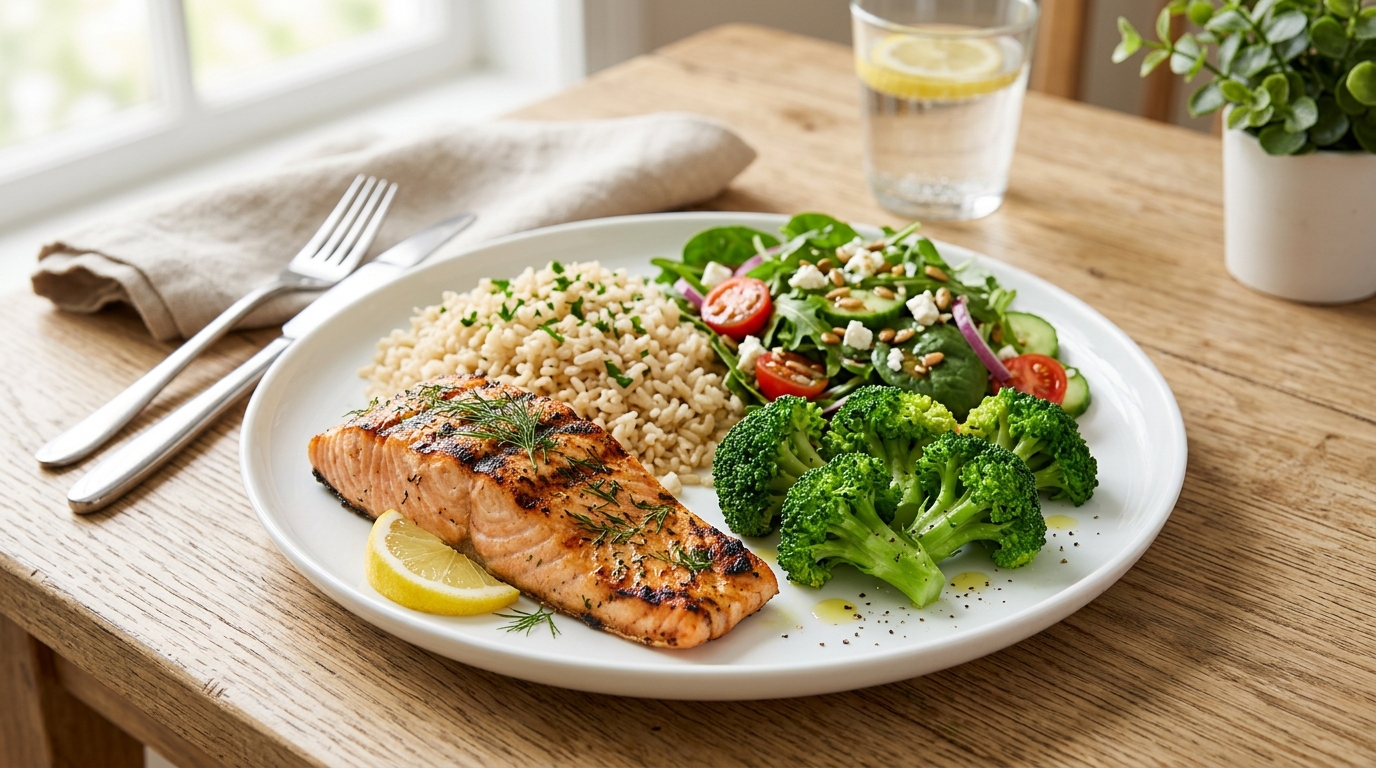
Salmon delivers high-quality complete protein along with omega-3 fatty acids, vitamin D, and B12. It covers multiple nutritional needs in a single serving, making it one of the most efficient foods for a balanced diet. Its anti-inflammatory properties also contribute to cardiovascular and joint health. Aim for two to three servings of fatty fish per week.
2. Quinoa
Quinoa is one of the few plant foods that contains all nine essential amino acids, making it a complete protein source. It is also high in fiber, iron, magnesium, and manganese. Unlike refined grains, quinoa has a low glycemic index, meaning it releases energy slowly and helps maintain stable blood sugar levels. It works well as a base for grain bowls, salads, and side dishes.
3. Broccoli
Broccoli is a nutritional powerhouse that provides vitamin C, vitamin K, folate, potassium, and fiber in a single cup. It also contains sulforaphane, a plant compound with well-studied anti-inflammatory and potentially anti-cancer properties. Lightly steaming broccoli preserves more of its nutritional value than boiling. Including it several times a week covers a wide range of micronutrient needs.
4. Chicken Breast
Lean chicken breast is one of the most versatile and widely available protein sources. It is low in saturated fat, high in protein, and rich in niacin, selenium, and phosphorus. Regular protein intake from sources like chicken breast supports muscle maintenance, tissue repair, and satiety after meals. It pairs easily with nearly any vegetable or grain for a complete, balanced meal.
5. Brown Rice
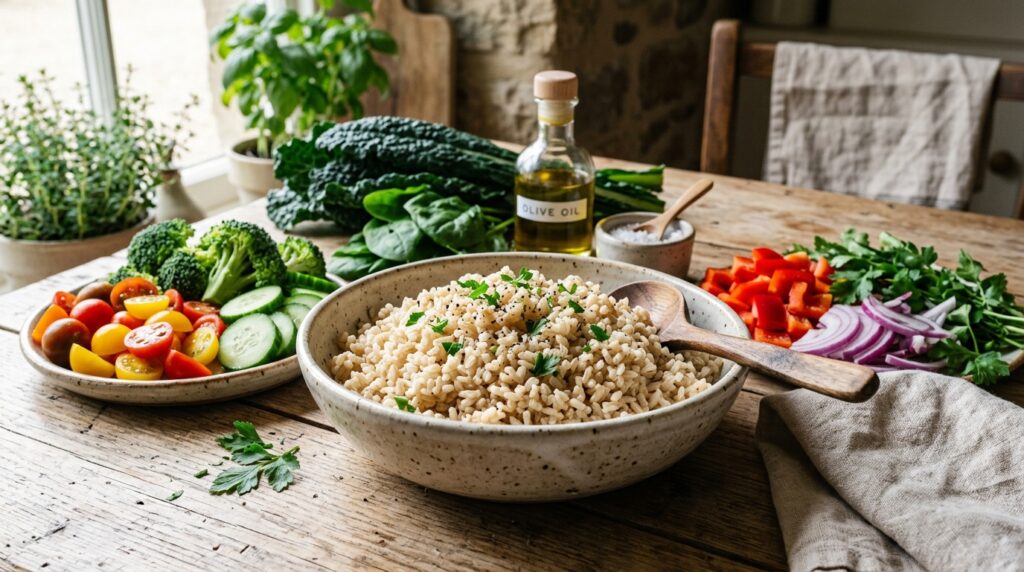
Brown rice provides complex carbohydrates, fiber, B vitamins, and minerals like manganese and magnesium. Unlike white rice, it retains its bran layer, which is where most of the fiber and nutrients reside. The fiber in brown rice supports digestive health and helps regulate blood sugar. It serves as a dependable whole grain base that complements proteins and vegetables in a balanced plate.
Many of the foods that support a balanced diet also play an important role in reducing chronic inflammation. If you want to learn more about that connection, our article on the best anti-inflammatory foods covers a range of options worth adding to your routine.
6. Eggs
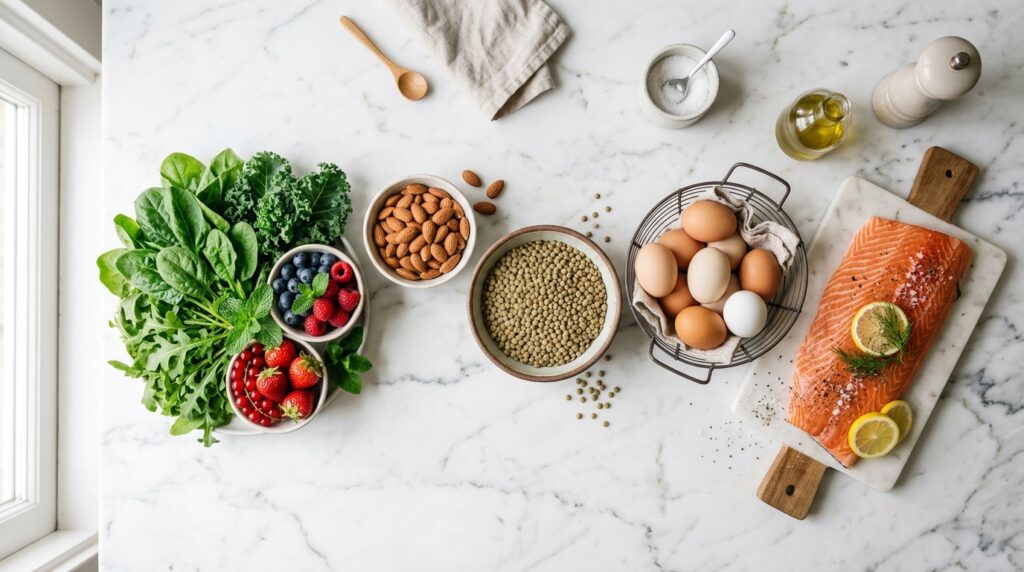
Eggs are among the most nutrient-dense foods available at a low cost. They provide complete protein, choline for brain health, lutein for eye health, and vitamins A, D, E, and B12. The fat in egg yolks is primarily unsaturated and helps absorb fat-soluble vitamins from other foods eaten at the same meal. Two eggs per day is a reasonable and nutritious addition to a balanced diet.
7. Lentils
Lentils are an outstanding plant-based source of protein, iron, and folate. They are also high in soluble fiber, which feeds beneficial gut bacteria and helps manage cholesterol levels. Lentils cook relatively quickly compared to other legumes and absorb flavors well, making them a practical ingredient for soups, curries, and salads. Their combination of protein and fiber keeps hunger at bay for hours.
8. Olive Oil
Extra virgin olive oil is the cornerstone fat of the Mediterranean diet, one of the most researched dietary patterns for longevity. It is rich in monounsaturated fats and polyphenols that reduce inflammation and support heart health. Using olive oil as your primary cooking fat and salad dressing base is a straightforward way to incorporate healthy fat into a balanced diet every day.
9. Berries
Blueberries, strawberries, and raspberries are low in calories and exceptionally high in antioxidants, vitamin C, and fiber. Their natural sweetness makes them an ideal substitute for desserts or sugary snacks. Regular berry consumption is associated with improved cardiovascular markers, better cognitive function, and reduced oxidative stress. A small serving added to breakfast or a snack covers a meaningful portion of your daily antioxidant needs.
10. Almonds
Almonds provide a concentrated source of vitamin E, magnesium, healthy monounsaturated fats, and plant-based protein. They are also one of the richest food sources of calcium outside of dairy. A small handful — about twenty to twenty-five almonds — makes a satisfying and nutritionally complete snack. Their combination of fat, protein, and fiber slows digestion and keeps you full between meals.
Conclusion
The best foods for a balanced diet share a common thread: they are whole, minimally processed, and rich in multiple nutrients at once. Salmon, quinoa, broccoli, eggs, lentils, and berries are all examples of foods that do more nutritional work per calorie than most processed alternatives. Building your meals around these kinds of foods, across all macronutrient categories, is the most practical and sustainable path to lasting health.
Frequently Asked Questions
What makes a diet truly balanced? A balanced diet includes adequate protein, healthy fats, complex carbohydrates, fiber, vitamins, and minerals from a variety of whole food sources. It avoids excessive reliance on any single food group and includes both plant and animal sources when possible.
How can vegetarians achieve a balanced diet? Vegetarians can meet all nutritional needs by combining plant protein sources like lentils, quinoa, tofu, and beans with a variety of vegetables, whole grains, nuts, seeds, dairy or fortified plant milks, and eggs if lacto-ovo.
Is a balanced diet the same for everyone? The general principles of a balanced diet apply broadly, but individual needs vary based on age, activity level, health status, and goals. Pregnant women, athletes, and older adults may have different micronutrient requirements.
Related Articles