Introduction
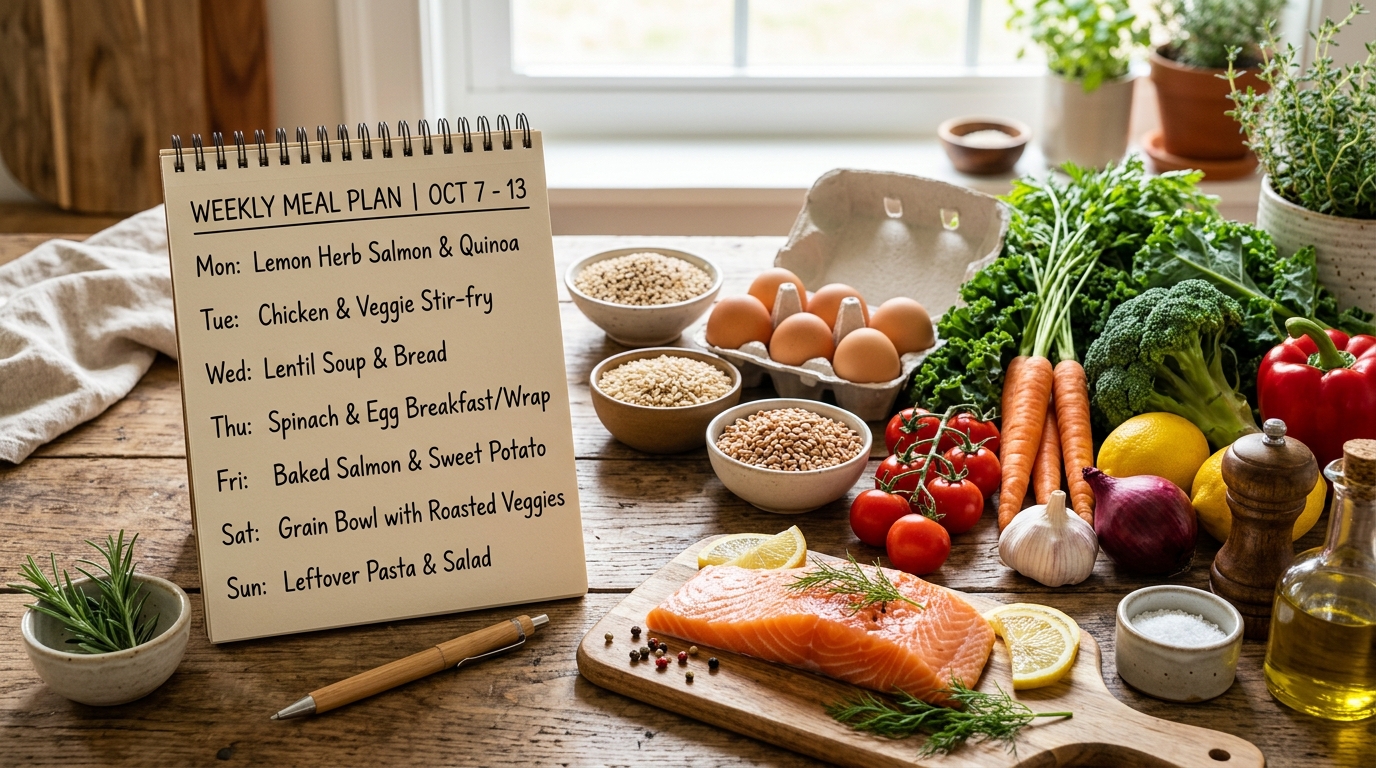
A healthy meal plan is one of the most practical tools for improving your diet and maintaining it over the long term. It removes the daily guesswork of what to eat, reduces the temptation to default to takeout or processed food, and makes it easier to control your nutritional intake without spending hours thinking about food each day.
Building a meal plan does not need to be complicated. This guide walks through a clear, step-by-step process for creating a weekly meal plan that is balanced, enjoyable, and realistic to follow.
Why Meal Planning Supports Long-Term Health
Studies consistently show that people who plan their meals in advance eat more nutritious diets, spend less money on food, and have greater dietary consistency than those who decide what to eat spontaneously. When you have a plan, healthy choices become the path of least resistance rather than a deliberate effort.
Meal planning also reduces food waste, since you buy only what you need and use it within a defined window rather than watching produce expire in the refrigerator.
How to Build a Healthy Meal Plan
1. Start With Your Nutritional Goals
Before deciding what to eat, get clear on what your meal plan needs to accomplish. Are you trying to increase protein intake, reduce calories, manage blood sugar, improve gut health, or simply eat more vegetables? Your goals shape your food choices, portion sizes, and the balance of macronutrients in each meal. Even a general goal like eating more whole foods and fewer processed products is enough to guide effective meal planning.
2. Choose a Planning Window
Most people find weekly meal planning most manageable. Plan your meals for seven days at a time, ideally on the same day each week — Sunday is popular because it aligns with most shopping schedules. Some people prefer a simpler approach of planning only dinners and keeping breakfast and lunch more flexible. Start with whatever feels achievable and expand from there.
3. Decide on a Template Structure
A consistent meal structure removes a significant amount of daily decision-making. A basic template might look like this: a protein-and-vegetable breakfast, a grain-and-protein lunch, a snack of fruit or nuts, and a balanced dinner with protein, a cooked vegetable, and a complex carbohydrate. You can rotate specific foods within each slot while keeping the structure the same.
4. Build Around Anchor Proteins
Choose two to four protein sources to anchor your week. These might include chicken thighs, salmon, eggs, lentils, or ground turkey. By selecting a small number of proteins, you simplify shopping, preparation, and cooking while still creating variety through the other components of each meal. Cook these proteins in larger batches to use across multiple meals.
5. Plan for Vegetables at Every Meal
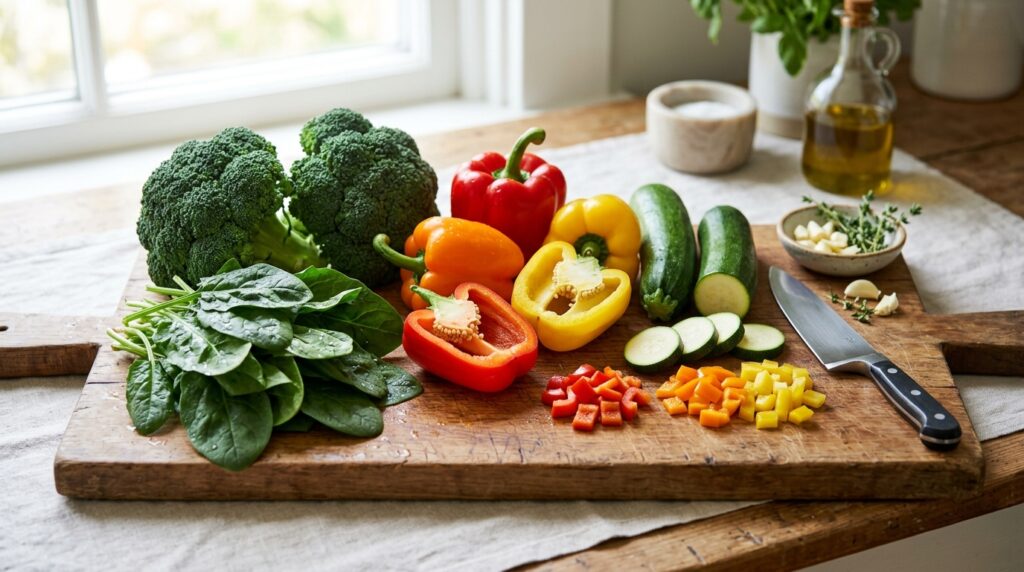
Vegetables should occupy the largest portion of most meals, yet they are often the first element forgotten in meal planning. For each meal on your plan, name a specific vegetable rather than leaving it as an afterthought. Roasted broccoli with dinner, spinach in a morning scramble, and sliced cucumber with lunch all count. When vegetables are planned, they get eaten.
Meal planning becomes even more effective when paired with a strong understanding of which foods are genuinely worth prioritizing. Our article on the best healthy foods to eat every day offers a useful reference for building your weekly food selection.
6. Incorporate Whole Grains as Carbohydrate Bases
Brown rice, quinoa, whole grain pasta, oats, and sweet potatoes all provide complex carbohydrates, fiber, and micronutrients that refined grains lack. Choose one or two grain options for the week and prepare them in advance. A large batch of cooked brown rice or quinoa can form the base of multiple lunches and dinners throughout the week.
7. Plan Your Snacks in Advance
Snacks are a common point of failure in healthy meal plans because they tend to be improvised, which often means reaching for the most convenient processed option. Plan two snacks per day and have them ready. Good options include a handful of almonds, apple slices with almond butter, hard-boiled eggs, Greek yogurt, or raw vegetables with hummus.
8. Write a Specific Shopping List
Once your meal plan is complete, translate it into a detailed shopping list organized by food category — produce, proteins, grains, dairy, pantry staples. A specific list prevents impulse purchases and ensures you have everything you need before the week begins. Cross-reference your list with what you already have at home to avoid over-buying.
9. Prep Key Components Ahead of Time
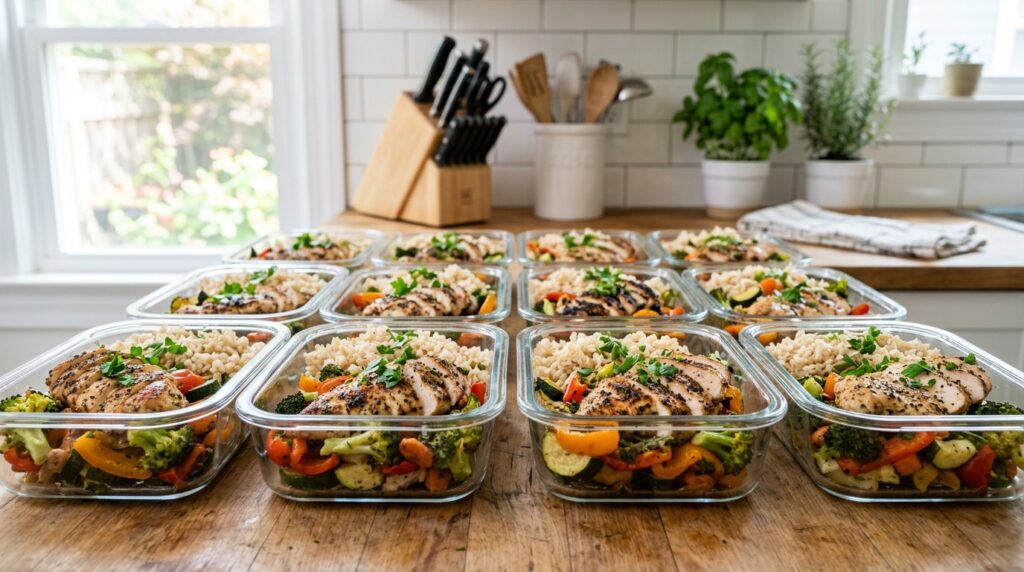
Full meal prep — cooking and portioning every meal in advance — is not necessary and can feel tedious. Instead, focus on prepping key components: wash and chop vegetables, cook grains in bulk, hard-boil a dozen eggs, and portion nuts and snacks into ready-to-grab containers. This level of preparation significantly reduces the effort required at mealtime during the week.
10. Review and Adjust Each Week
No meal plan survives contact with a real week perfectly. Some meals will not get made, schedules will change, and tastes will shift. At the end of each week, take five minutes to review what worked and what did not. Adjust your next plan accordingly. Over several weeks, your meal planning process becomes faster, more accurate, and better tailored to your preferences and lifestyle.
Conclusion
Building a healthy meal plan is a skill that improves with practice. Starting with a weekly template, anchoring your meals around a few reliable proteins and whole grains, and prepping key components in advance transforms eating well from an effortful daily decision into an almost automatic habit. The structure you create now pays long-term dividends in both health and convenience.
Frequently Asked Questions
How long does it take to build a weekly meal plan? With practice, most people can create a practical weekly meal plan in 15 to 30 minutes. The first few times may take longer as you establish your template and preferred food rotation.
Should I plan every single meal or just dinners? Starting with dinners only is a perfectly valid approach. For many people, breakfast and lunch follow a consistent routine that does not need detailed planning. Adding structure to all three meals is beneficial once the habit is established.
What if I do not like cooking every day? Batch cooking two or three times per week rather than cooking daily is a highly effective approach. Preparing larger quantities of proteins, grains, and roasted vegetables allows you to assemble quick, varied meals without daily cooking.
Related Articles