Introduction
High cholesterol is one of the most significant modifiable risk factors for heart disease and stroke, affecting hundreds of millions of people worldwide. While medications are effective, diet remains one of the most powerful tools for managing cholesterol levels without pharmacological intervention. The right foods can actively reduce LDL cholesterol, raise HDL cholesterol, and lower triglycerides — all through distinct nutritional mechanisms.
The connection between specific foods and cholesterol metabolism is one of the most well-researched areas in cardiovascular nutrition. Soluble fiber binds cholesterol in the digestive tract. Plant sterols compete with cholesterol for absorption. Monounsaturated and omega-3 fats improve cholesterol ratios. Understanding these mechanisms helps you build a diet that works consistently in your favor.
Why Managing Cholesterol Through Diet Matters
LDL cholesterol contributes to atherosclerosis — the buildup of plaques in arterial walls that can restrict blood flow and eventually trigger heart attacks or strokes. Dietary choices directly influence how much cholesterol the liver produces, how effectively it is cleared from the bloodstream, and how susceptible LDL particles are to the oxidation process that makes them most damaging.
Even modest reductions in LDL — in the range of five to fifteen percent — can translate into meaningfully lower cardiovascular risk over time. Dietary approaches work best when they are consistent and when multiple cholesterol-influencing food types are combined.
10 Foods That Lower Cholesterol Naturally
1. Oats
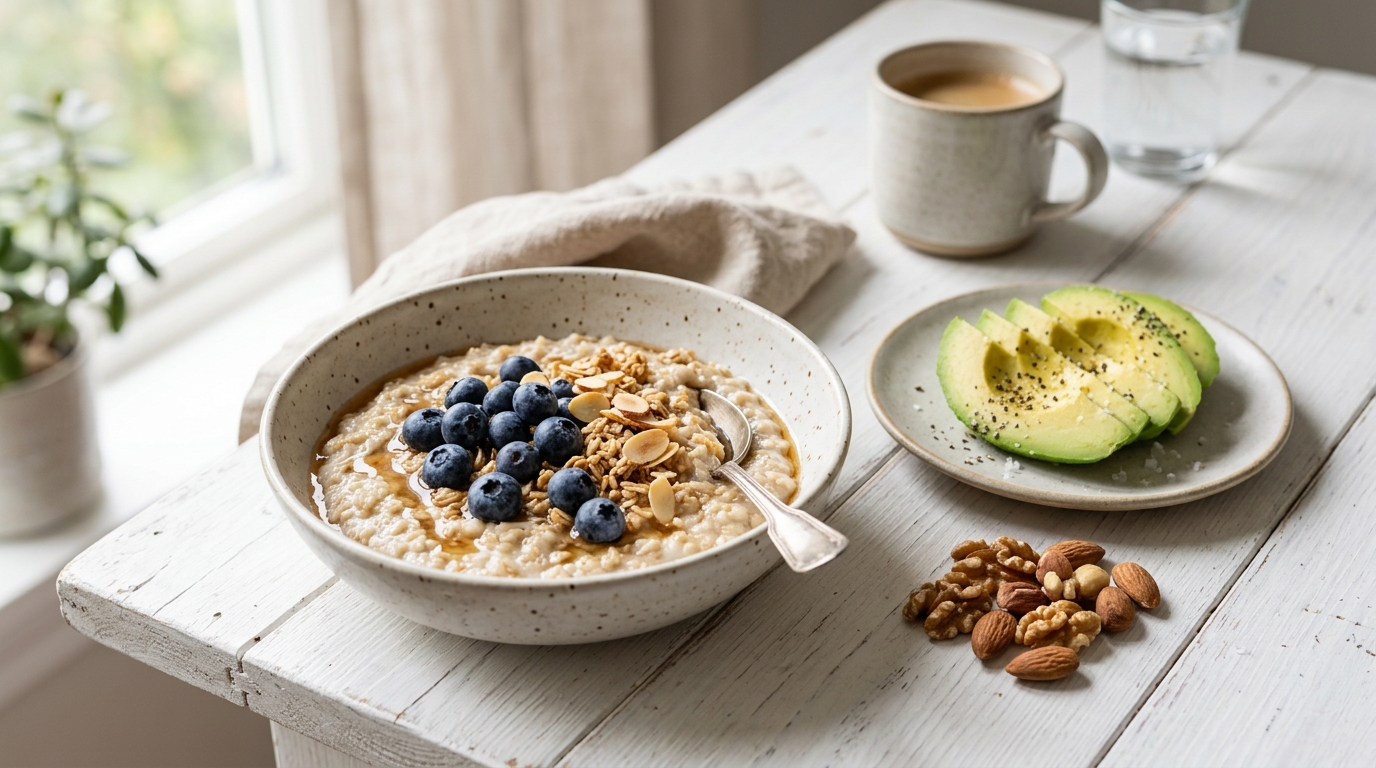
Oats are the most thoroughly studied food for LDL reduction. Their key active compound — beta-glucan, a type of soluble fiber — forms a gel in the small intestine that traps bile acids and prevents their reabsorption. Since bile acids are synthesized from cholesterol, the liver must draw on circulating cholesterol to replenish them, effectively lowering blood LDL levels. Three grams of beta-glucan daily, achievable with a generous bowl of oatmeal, can reduce LDL by five to ten percent.
2. Barley
Barley contains similar amounts of beta-glucan as oats and produces comparable cholesterol-lowering effects. It works particularly well as a replacement for white rice or pasta, adding both heart-healthy fiber and a nutty flavor to soups, grain bowls, and side dishes. Multiple controlled trials confirm barley’s ability to significantly lower total and LDL cholesterol in people with elevated levels.
3. Beans and Lentils
Legumes are among the most underrated cholesterol-lowering foods. Their high soluble fiber content slows the reabsorption of cholesterol from the gut, and their plant protein acts as a partial replacement for saturated-fat-containing animal proteins. Replacing two to three meat-based meals per week with bean or lentil dishes can produce meaningful improvements in cholesterol profiles over just a few weeks.
4. Almonds
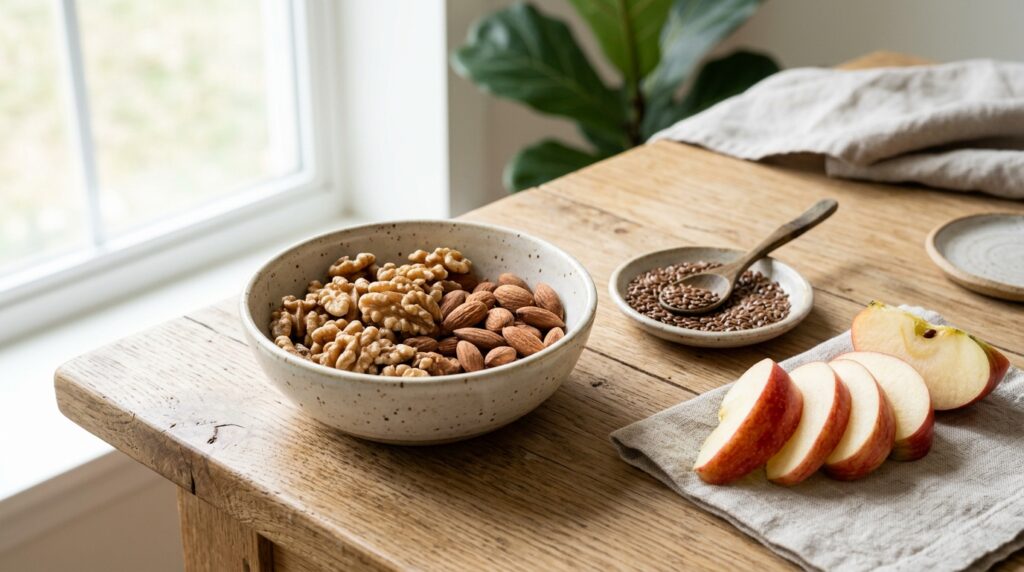
Almonds are rich in monounsaturated fats, vitamin E, fiber, and plant sterols. Clinical trials consistently show that eating about 40 to 45 grams of almonds per day reduces LDL cholesterol by four to five percent. Almonds also protect LDL particles from oxidation — which is the form that causes the most arterial damage — making them beneficial beyond their direct cholesterol-lowering effects.
5. Walnuts
Walnuts offer a distinct cholesterol-lowering profile thanks to their high content of ALA omega-3 fatty acids alongside fiber and sterols. Research has found that eating a portion of walnuts daily not only reduces LDL but also lowers total cholesterol-to-HDL ratios. Their combination of healthy fats and anti-inflammatory compounds makes walnuts one of the most cardioprotective nuts available.
For a broader view of how whole foods work together to support cardiovascular function, our guide on the best foods for heart health provides a comprehensive overview of the most impactful dietary choices.
6. Avocados
Avocados are rich in monounsaturated fats and beta-sitosterol, a plant sterol that competes with dietary cholesterol for absorption in the gut. Studies have shown that eating one avocado per day as part of a moderate-fat diet produces significant reductions in LDL cholesterol, particularly the small, dense particles most associated with cardiovascular risk. Avocados also provide potassium and B vitamins that further support heart health.
7. Olive Oil
Extra virgin olive oil’s polyphenols protect LDL cholesterol from oxidation, while its oleic acid content helps shift cholesterol ratios in a favorable direction. The PREDIMED study and similar large trials consistently show that diets high in extra virgin olive oil are associated with lower rates of heart disease and better cholesterol profiles. Using it as a replacement for saturated fats like butter provides a meaningful cardiovascular benefit.
8. Flaxseeds
Ground flaxseeds are a concentrated source of both soluble fiber and ALA omega-3 fatty acids. The fiber contributes to bile acid excretion, while the omega-3s help lower triglycerides and modestly raise HDL. Adding one to two tablespoons of ground flaxseed to oatmeal, smoothies, or yogurt daily is a simple and evidence-supported addition to a cholesterol-lowering diet.
9. Apples and Pears
Apples and pears are high in pectin — a soluble fiber that binds bile acids in the gut with similar effectiveness to beta-glucan. They also contain polyphenols, particularly quercetin, which has antioxidant and anti-inflammatory properties relevant to cardiovascular health. Eating two to three servings of pectin-rich fruit daily provides a steady contribution to overall cholesterol management.
10. Fatty Fish
While fatty fish do not directly lower LDL cholesterol, they are among the most effective foods for reducing triglycerides — another key cardiovascular risk marker — and for raising HDL cholesterol. The EPA and DHA in salmon, sardines, and mackerel also reduce vascular inflammation, which makes LDL particles less likely to oxidize and adhere to arterial walls. Including fatty fish twice a week is a widely endorsed component of a cholesterol-supportive diet.
Conclusion
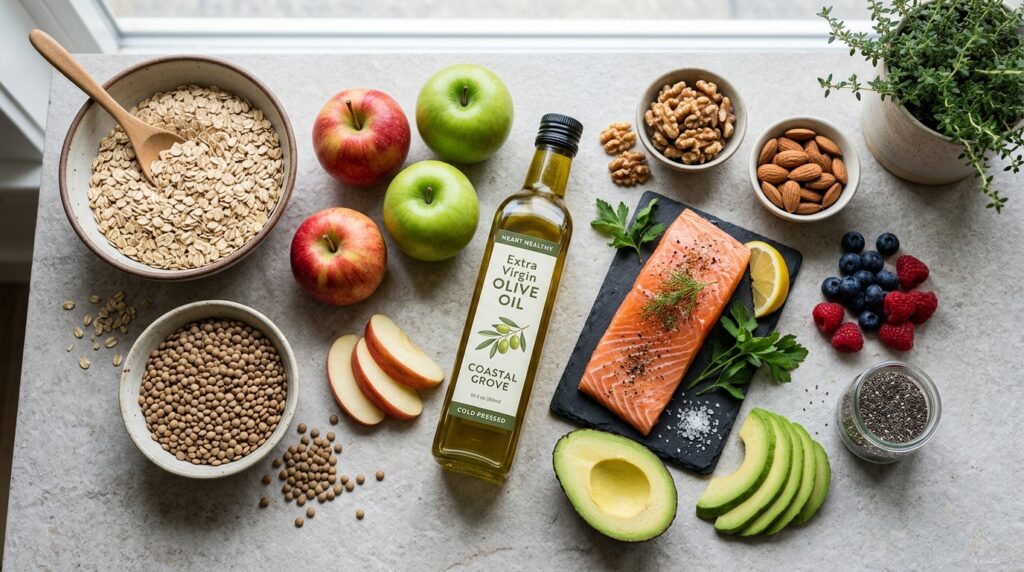
Lowering cholesterol naturally through diet requires a combination of strategies rather than relying on any single food. Soluble fiber from oats, barley, and legumes reduces cholesterol excretion. Healthy fats from avocados, nuts, and olive oil improve cholesterol ratios. Omega-3 fatty acids from fish and flaxseeds lower triglycerides and raise protective HDL. Eating a diet built around these foods consistently over weeks and months produces real, measurable improvements in cardiovascular risk markers. As always, those managing clinically elevated cholesterol should work with a healthcare provider to determine how dietary changes fit alongside any prescribed treatment.
Frequently Asked Questions
How quickly can food lower cholesterol levels? Some dietary changes begin influencing cholesterol within two to three weeks. More significant reductions in LDL typically appear after six to twelve weeks of consistent dietary changes. The timeline varies depending on individual genetics and the degree of dietary shift.
Which foods raise LDL cholesterol the most? Saturated fats found in red meat, full-fat dairy, and tropical oils like palm and coconut oil are the primary dietary drivers of elevated LDL cholesterol. Trans fats, still found in some processed foods, are even more damaging. Reducing these while increasing fiber and healthy fat intake provides a dual benefit.
Do plant sterols supplements work as well as food sources? Plant sterol supplements can lower LDL cholesterol meaningfully, but whole food sources also provide fiber, vitamins, and additional antioxidants that offer cardiovascular benefits beyond sterol content alone. Getting plant sterols through foods like avocados, nuts, and seeds is generally preferable to isolated supplementation for overall dietary quality.
Related Articles
10 Best Foods for Heart Health 10 Best Anti-Inflammatory Foods Best Foods for a Balanced Diet