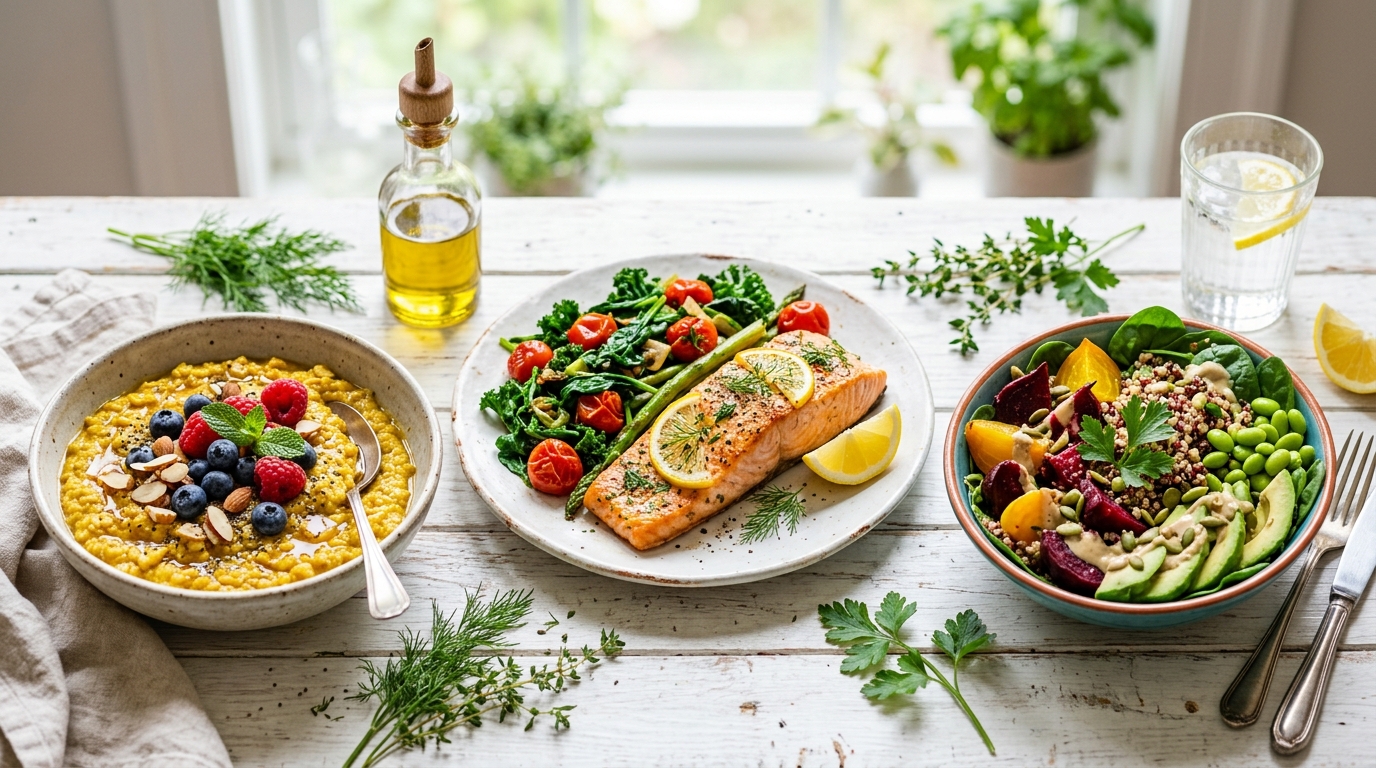
Chronic inflammation is increasingly recognized as a root factor in many of the most common health conditions, including heart disease, type 2 diabetes, arthritis, and certain cancers. While medication has its place, the food you eat every day plays a profound and often underestimated role in either promoting or reducing inflammation throughout the body.
These best anti-inflammatory recipe ideas bring together the most powerful inflammation-fighting ingredients in meals that are genuinely delicious and practical for everyday cooking. Each recipe features whole, minimally processed foods with documented anti-inflammatory properties.
How Food Influences Inflammation
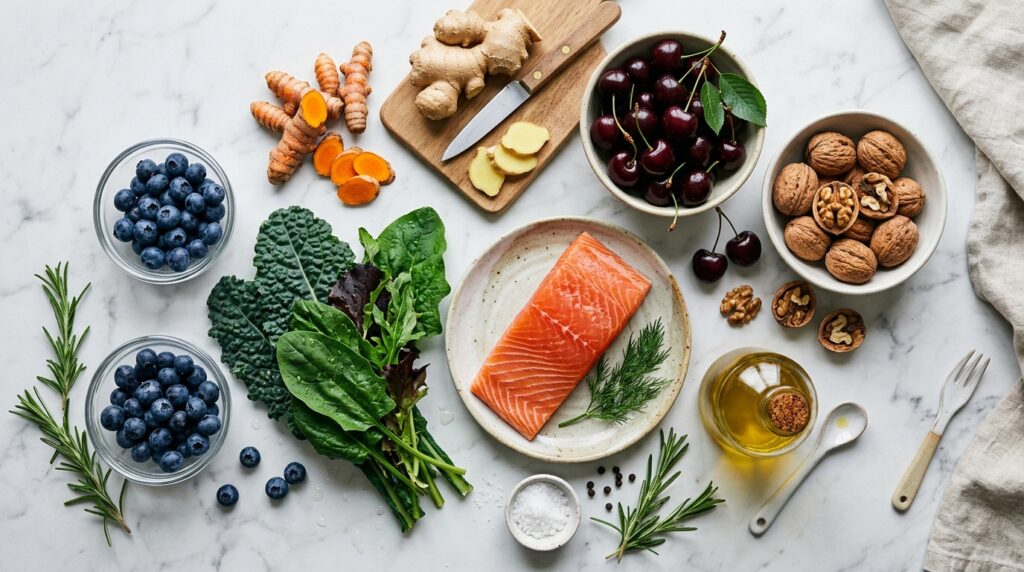
The relationship between diet and inflammation is well established in scientific research. Certain foods — particularly refined sugars, industrial seed oils, and processed meats — promote inflammatory pathways in the body. Others, including fatty fish, leafy greens, berries, olive oil, and turmeric, actively reduce inflammatory markers and support the immune system’s natural balance.
Adopting an anti-inflammatory approach to cooking does not require a radical overhaul of everything you eat. It means gradually shifting your ingredient choices toward whole foods rich in antioxidants, omega-3 fatty acids, fiber, and phytonutrients.
10 Best Anti-Inflammatory Recipe Ideas
1. Turmeric Golden Milk Oatmeal
Cook rolled oats in coconut milk with a teaspoon of turmeric, a pinch of black pepper, a quarter teaspoon of cinnamon, and a teaspoon of honey. Top with sliced banana and a handful of walnuts. This warming breakfast combines multiple anti-inflammatory ingredients in a single bowl and is gentle on the digestive system.
The addition of black pepper is important — piperine, the active compound in pepper, increases curcumin absorption from turmeric by up to 2,000 percent.
2. Wild Salmon with Ginger Miso Glaze
Brush salmon fillets with a mixture of white miso paste, grated fresh ginger, tamari, and a touch of maple syrup. Bake at 400°F for 15 minutes. Serve over steamed bok choy and brown rice. Wild salmon is among the richest food sources of EPA and DHA omega-3 fatty acids, both of which have powerful anti-inflammatory effects throughout the body.
Miso adds probiotics and umami depth while ginger provides additional anti-inflammatory and digestive support.
3. Avocado and Arugula Salad with Olive Oil Dressing
Toss fresh arugula with sliced avocado, halved cherry tomatoes, shaved parmesan, and toasted pine nuts. Dress with extra virgin olive oil, lemon juice, salt, and cracked black pepper. Arugula is rich in sulforaphane, a compound with well-documented anti-inflammatory properties, while avocado contributes oleic acid and antioxidants.
Extra virgin olive oil contains oleocanthal, a compound that works through similar pathways to ibuprofen in inhibiting inflammatory enzymes.
4. Blueberry Walnut Smoothie Bowl
Blend frozen blueberries, a banana, spinach, and almond milk until thick. Pour into a bowl and top with fresh blueberries, chopped walnuts, chia seeds, and a drizzle of honey. Blueberries are among the most antioxidant-rich foods in existence, and their anthocyanins directly reduce oxidative stress and inflammatory markers.
Walnuts add ALA omega-3 fatty acids and ellagic acid, both of which contribute to their potent anti-inflammatory profile.
5. Lentil and Spinach Dal
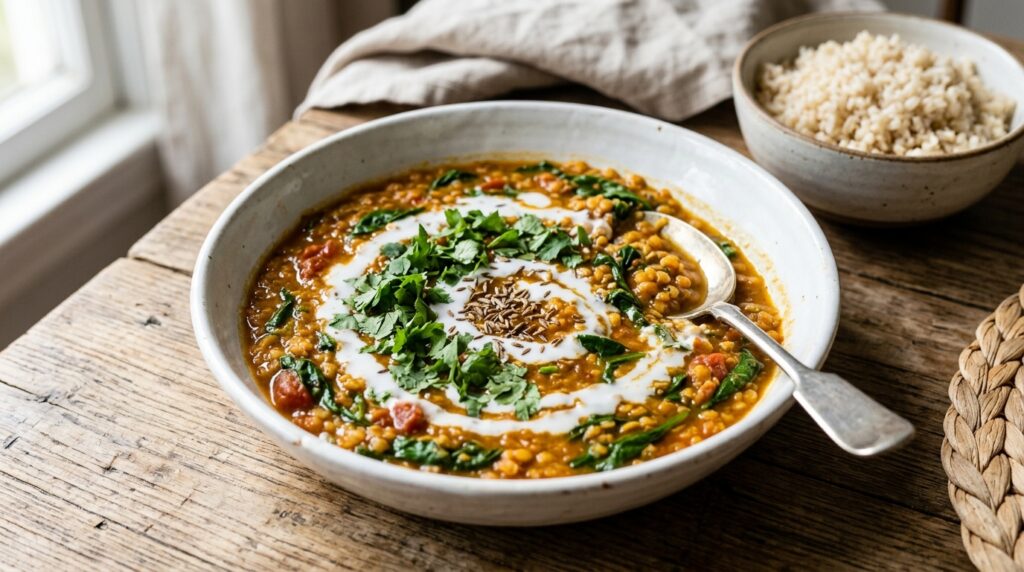
Sauté onion, garlic, and grated ginger in olive oil. Add red lentils, coconut milk, vegetable broth, turmeric, cumin, coriander, and a pinch of cayenne. Simmer for 20 minutes until thick, then stir in a large handful of fresh spinach. This deeply flavorful dal is a nutritional powerhouse with anti-inflammatory contributions from the turmeric, ginger, and leafy greens.
Serve over brown rice or with whole grain flatbread. For a comprehensive overview of the broader dietary approach that underlies recipes like this one, our article on the anti-inflammatory diet for beginners provides an excellent starting framework.
6. Roasted Beet and Quinoa Bowl
Roast cubed beets with olive oil, balsamic vinegar, and thyme at 400°F for 35 minutes. Serve over cooked quinoa with baby arugula, crumbled goat cheese, and toasted pumpkin seeds. Beets are rich in betalains, pigments with demonstrated anti-inflammatory and antioxidant activity, while quinoa provides complete protein and magnesium.
7. Ginger Carrot Soup
Sauté onion and garlic in olive oil, then add chopped carrots, fresh ginger, and vegetable broth. Simmer until carrots are tender, then blend until smooth. Finish with a squeeze of orange juice and a pinch of turmeric. Carrots provide beta-carotene, a powerful antioxidant, while ginger contains gingerols and shogaols, compounds with direct anti-inflammatory effects.
This soup is warming, comforting, and deeply nourishing — a perfect choice during periods of stress or illness.
8. Sardine and White Bean Toast
Spread mashed white beans seasoned with lemon juice and garlic onto whole grain toast. Top with sardines packed in olive oil, sliced cherry tomatoes, and fresh parsley. Sardines are exceptionally rich in anti-inflammatory omega-3 fatty acids, calcium, and vitamin D, while white beans provide fiber and plant protein.
This is one of the most nutrient-dense quick meals available and is often overlooked simply because sardines are not a fashionable ingredient.
9. Cherry and Chia Seed Overnight Oats
Combine rolled oats, chia seeds, almond milk, and a tablespoon of honey in a jar. Refrigerate overnight and top with fresh cherries and a sprinkle of dark cacao nibs in the morning. Tart cherries contain anthocyanins and are among the most studied foods for their ability to reduce markers of inflammation and oxidative stress.
10. Walnut Pesto Pasta with Roasted Tomatoes
Blend walnuts, fresh basil, garlic, olive oil, lemon juice, and parmesan into a pesto. Toss with cooked whole wheat pasta and roasted cherry tomatoes. Walnuts provide ALA omega-3s, basil contributes volatile oils with anti-inflammatory properties, and whole wheat pasta adds fiber that feeds beneficial gut bacteria — all factors that collectively support reduced systemic inflammation.
Conclusion
These ten anti-inflammatory recipe ideas demonstrate that eating to reduce inflammation can be genuinely pleasurable, varied, and far from restrictive. The common thread across all of these dishes is a commitment to whole, nutrient-dense ingredients that work with your body’s natural processes rather than against them.
Incorporating even a few of these recipes into your regular rotation can make a meaningful difference in how you feel over time. As these meals become habits, you build a dietary foundation that supports long-term health and reduced risk of chronic disease.
Frequently Asked Questions
What are the most important anti-inflammatory ingredients to cook with? The most impactful anti-inflammatory ingredients to incorporate into your cooking include wild-caught fatty fish, extra virgin olive oil, turmeric with black pepper, fresh ginger, berries of all kinds, leafy greens, walnuts, and garlic. Using these ingredients regularly and consistently has a cumulative positive effect on inflammation levels.
Can cooking methods affect the anti-inflammatory properties of food? Yes. High-heat cooking methods such as frying and charring can generate compounds that promote oxidative stress. Gentler methods like baking, steaming, poaching, and sautéing in olive oil better preserve the beneficial phytochemicals in whole foods. Eating some anti-inflammatory foods raw, such as berries and leafy greens, also maximizes their nutrient content.
How long does it take to see results from an anti-inflammatory diet? Most people begin to notice improvements in energy, digestion, and joint comfort within two to four weeks of consistently following an anti-inflammatory dietary approach. More significant changes in biomarkers like CRP levels typically become measurable over a period of two to three months.