
Introduction
Omega-3 fatty acids are among the most well-researched nutrients in cardiovascular medicine. Extensive clinical research has confirmed their ability to reduce triglycerides, lower blood pressure, decrease arterial inflammation, and protect against dangerous heart rhythm disturbances. Major health organizations — from the American Heart Association to the World Health Organization — recommend regular intake of omega-3-rich foods as a cornerstone of cardiovascular health.
There are three primary dietary omega-3 fatty acids: EPA (eicosapentaenoic acid) and DHA (docosahexaenoic acid), found primarily in marine sources, and ALA (alpha-linolenic acid), found in plant foods. EPA and DHA are the most biologically active and directly cardiovascular-protective forms, while ALA can be partially converted to EPA and DHA in the body, though at relatively low efficiency. Understanding which foods provide which forms — and how much — helps you make the most targeted choices for heart health.
Why Omega-3 Fatty Acids Are Essential for the Heart
The cardiovascular benefits of omega-3 fatty acids operate through several distinct mechanisms. They reduce the liver’s production of very low-density lipoprotein (VLDL), which lowers triglycerides. They decrease the production of inflammatory signaling molecules called prostaglandins and leukotrienes, reducing arterial inflammation. They improve the flexibility of red blood cells, making blood flow more smoothly. They also stabilize cardiac electrical activity, reducing the risk of arrhythmias that can trigger sudden cardiac events.
Omega-3 deficiency — which is widespread in populations that eat little fish — is associated with elevated triglycerides, greater arterial stiffness, higher rates of atrial fibrillation, and worse overall cardiovascular outcomes.
Best Omega-3 Foods for Heart Health
1. Atlantic Salmon
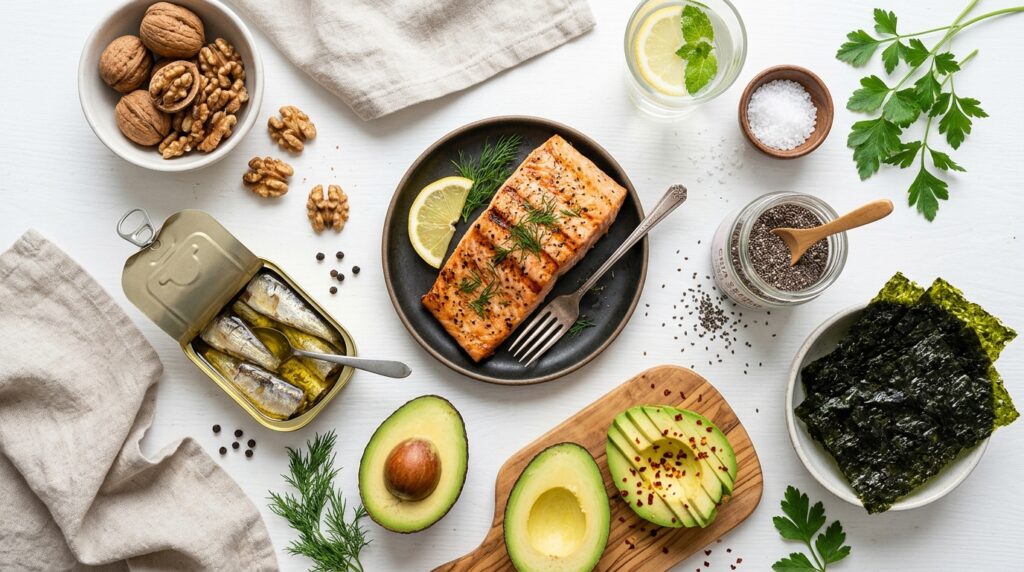
Wild-caught Atlantic salmon is one of the richest dietary sources of EPA and DHA combined, providing around 2,000 to 2,500 milligrams of omega-3 fatty acids per 100-gram serving — well above the 1,000 to 2,000 milligrams per day associated with cardiovascular benefit in clinical research. Salmon is also a complete protein source, rich in B vitamins, selenium, and astaxanthin — an antioxidant with additional vascular protective properties. Eating salmon twice a week provides a strong foundation of cardiovascular omega-3 nutrition.
2. Mackerel
Atlantic mackerel provides one of the highest concentrations of omega-3 fatty acids of any commonly available fish — around 2,600 milligrams per 100-gram serving. It is also affordable and widely available, making it one of the most practical omega-3 foods for regular consumption. Mackerel can be grilled, baked, canned, or pan-fried and integrates easily into salads, grain bowls, and pasta dishes.
3. Sardines
Canned sardines are a nutritional powerhouse for cardiovascular health. A single can (approximately 100 grams) typically provides around 1,500 milligrams of EPA and DHA, plus calcium (from the soft edible bones), vitamin D, and B12. Their small size means they accumulate fewer environmental contaminants like mercury compared to larger fish. Sardines on whole grain crackers with tomato and herbs make a quick, heart-healthy snack or lunch.
4. Herring
Herring is another fatty fish with an impressive omega-3 profile — around 1,700 to 2,000 milligrams per 100-gram serving. Common in Scandinavian and Northern European cuisines, herring can be pickled, smoked, or fresh. Its vitamin D content is also notable, and adequate vitamin D has been linked to better cardiovascular outcomes in population studies.
5. Walnuts
Walnuts are the best plant-based source of ALA omega-3 fatty acids, providing around 2,500 milligrams per one-ounce serving. While ALA is less potent than EPA and DHA for direct cardiovascular effects, the body converts a portion to EPA, and walnuts’ combination of fiber, polyphenols, and additional healthy fats makes them one of the most comprehensively heart-protective plant foods available. Multiple clinical trials confirm that daily walnut consumption improves cholesterol profiles and reduces vascular inflammation.
Because omega-3 fatty acids are also crucial for brain function and cognitive protection, our guide on foods that protect the brain from aging explores additional ways these nutrients benefit neurological health alongside cardiovascular health.

6. Flaxseeds
Ground flaxseeds are an excellent ALA omega-3 source, providing around 2,300 milligrams per tablespoon. They also deliver lignan antioxidants and soluble fiber that further support cardiovascular health. It is important to use ground rather than whole flaxseeds, as whole seeds pass through the digestive tract largely intact and their omega-3 content remains inaccessible.
7. Chia Seeds
Chia seeds provide around 5,000 milligrams of ALA omega-3 fatty acids per ounce — one of the highest concentrations of any plant food. They also deliver soluble fiber, calcium, and magnesium. Unlike flaxseeds, chia seeds can be eaten whole without grinding. Adding them to smoothies, yogurt, overnight oats, or water-soaked as a gel makes them a remarkably versatile and concentrated omega-3 source.
8. Hemp Seeds
Hemp seeds provide a balanced ratio of omega-3 to omega-6 fatty acids, with around 1,000 milligrams of ALA per three-tablespoon serving. Their balanced fatty acid profile is particularly notable because the typical Western diet contains a highly imbalanced omega-6-to-omega-3 ratio, which promotes inflammation. Hemp seeds’ cardiovascular benefit comes partly from correcting this ratio while also providing complete plant protein and magnesium.
9. Anchovies
Anchovies are small, intensely flavored fish that are rich in EPA and DHA — roughly 2,100 milligrams per 100-gram serving. They are commonly used in small quantities as a flavor enhancer in Mediterranean cooking, pasta sauces, dressings, and on pizzas. Despite being used in small amounts, even modest regular consumption adds meaningful omega-3 intake while also providing calcium and potassium.
10. Seaweed and Algae
For those following plant-based diets, algae-based foods are the only direct plant sources of EPA and DHA — the same forms found in fish (which themselves obtain omega-3s by eating algae). Spirulina, chlorella, and seaweed provide varying amounts of DHA, and algal oil supplements derived from microalgae are now a mainstream alternative to fish oil for vegans and vegetarians. Including seaweed in salads, soups, and sushi provides a modest but meaningful direct EPA and DHA contribution.
Conclusion
Omega-3 fatty acids are among the most evidence-backed nutritional strategies for cardiovascular protection. Whether you prefer marine sources like salmon, mackerel, and sardines for their direct EPA and DHA content, or plant-based sources like walnuts, chia seeds, and flaxseeds for their ALA contribution, incorporating omega-3-rich foods regularly supports every measurable aspect of heart health. Aiming for fatty fish twice a week alongside daily plant-based omega-3 sources provides a comprehensive, food-first approach to this essential cardiovascular nutrient.
Frequently Asked Questions
How much omega-3 do you need per day for heart health? The American Heart Association recommends eating fatty fish at least twice a week, which translates to approximately 500 milligrams of combined EPA and DHA daily from food. Those with existing heart disease are often advised to consume around 1,000 milligrams of EPA and DHA per day. These amounts are achievable through dietary sources alone for most people.
Is there a difference between fish omega-3 and plant omega-3? Yes. EPA and DHA from fish are directly usable by the body and are the forms most consistently linked to cardiovascular benefit in clinical trials. ALA from plant sources must first be converted to EPA and DHA, and this conversion is inefficient — typically only two to ten percent. Plant omega-3s still provide benefits, but marine sources are more potent for direct cardiovascular protection.
Can omega-3 supplements replace dietary sources? Omega-3 supplements can help people who eat little or no fish meet their EPA and DHA targets. However, whole food sources provide additional nutrients — vitamin D, selenium, protein, B vitamins — that supplements do not. For cardiovascular health, food sources are generally preferred when achievable, with supplementation used to fill gaps.
Related Articles
10 Best Foods for Heart Health Foods That Lower Cholesterol Naturally 10 Best Anti-Inflammatory Foods